Australian Safety Sign Compliance Guide
Ensure Workplace Safety with Australian Signage Standards
Running a business in Australia comes with a responsibility to keep everyone safe, and that starts with proper safety signage. Whether you manage a bustling construction site or a quiet office, understanding the rules around hazard warnings and mandatory notices is crucial. The right signs not only prevent accidents but also protect you from legal headaches under local regulations.
Why Compliance Matters
Australian standards, such as AS 1319-1994, provide a clear framework for displaying notices that address workplace risks. These guidelines cover everything from the type of sign—think prohibition or caution—to specific sizing and placement rules. Ignoring them isn’t just risky for your team; it can lead to fines or shutdowns during safety inspections. But let’s be honest, digging through legal jargon to figure out what applies to your industry isn’t anyone’s idea of a good time.
Simplifying Safety Rules
That’s where a tailored compliance guide steps in. By assessing your unique environment, from factory floors to hospitality venues, you can pinpoint exactly what’s needed to meet safety obligations. A custom approach ensures you’re not missing critical warnings or overcomplicating things with unnecessary signage. Plus, staying informed with accessible resources means peace of mind for you and a safer space for everyone else.
FAQs
What are the legal requirements for safety signs in Australia?
In Australia, safety signage must comply with standards like AS 1319-1994, which outlines the design and use of signs for workplace safety. Essentially, you’re required to display signs that warn of hazards, prohibit unsafe actions, or mandate protective measures wherever risks exist. This could mean a warning sign near heavy machinery or a mandatory helmet sign at a construction site. Non-compliance can lead to fines or safety violations, so it’s worth getting it right. Our tool helps by matching your specific workplace conditions to the exact signage needed.
Does my small business need safety signs?
Absolutely, size doesn’t matter when it comes to safety obligations. If your workplace—whether it’s a tiny office or a sprawling factory—has any hazards like slippery floors, electrical risks, or restricted areas, you’re legally required to have appropriate signage under Australian regulations. Even something as simple as a ‘Wet Floor’ sign can save you from liability. Use our guide to figure out what applies to your setup without wading through complex legal docs.
How often should I update or check my safety signage?
It’s a good idea to review your signage whenever there’s a change in your workplace—like new equipment, a layout shift, or updated regulations. At a minimum, do a walkthrough every 12 months to ensure signs are still visible, legible, and relevant. Faded or damaged signs won’t cut it if an inspector comes knocking. Our tool can help you reassess your needs anytime something changes, keeping you on the safe side of compliance.
You may also be interested in
FAQs About Workplace Safety Signs in Australia
AS 1319 sign types, placement, materials and maintenance for workplace safety and WHS compliance in Australia.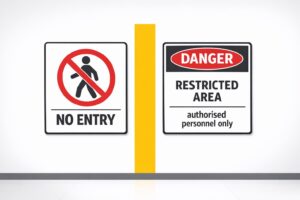
Restricted Area Signs vs. No Entry Signs
Compare No Entry and Restricted Area signs in Australian workplaces — meanings, design differences and AS 1319 compliance.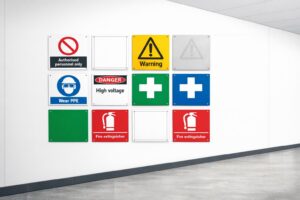
How to Spot Workplace Signage Gaps
Audit your workplace for missing, faded or non‑compliant signs under AS 1319 to reduce incidents and avoid WHS fines.
Symbol Design: Global Standards Explained
Explains ISO 7010 and ISO 3864: standard symbols, colours and sizing for clear, language‑free safety signage and AU compliance.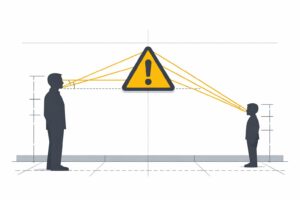
Hazard Sign Visibility Planner
Plan hazard sign placement for max visibility with our free tool. Ensure safety by finding the best spot, height, and angle—try it now!