FAQs About Workplace Safety Signs in Australia
Workplace safety signs are critical for keeping workers safe and meeting Australian regulations. They alert workers to hazards, guide them during emergencies, and help businesses comply with the Work Health and Safety (WHS) Act 2011. Non-compliance can lead to fines of up to $500,000 for businesses.
Key takeaways:
- Five essential sign categories under AS 1319-1994: Prohibition, Warning, Mandatory, Emergency, and Fire Safety.
- Signs must meet strict design, visibility, and placement standards, including high-contrast colours and appropriate sizes.
- Durable materials like UV-protected aluminium are essential for outdoor use.
- Regular maintenance and inspections are required to ensure signs remain legible and compliant.
Investing in high-quality signage not only reduces workplace accidents but also avoids hefty penalties. Custom signs tailored to specific hazards , such as dangerous goods ID signs, can improve safety outcomes and compliance rates.
Safety Signs in Australia
sbb-itb-9950c92
The AS 1319-1994 Standard Explained
5 Types of Australian Workplace Safety Signs Under AS 1319-1994
5 Main Categories of Safety Signs
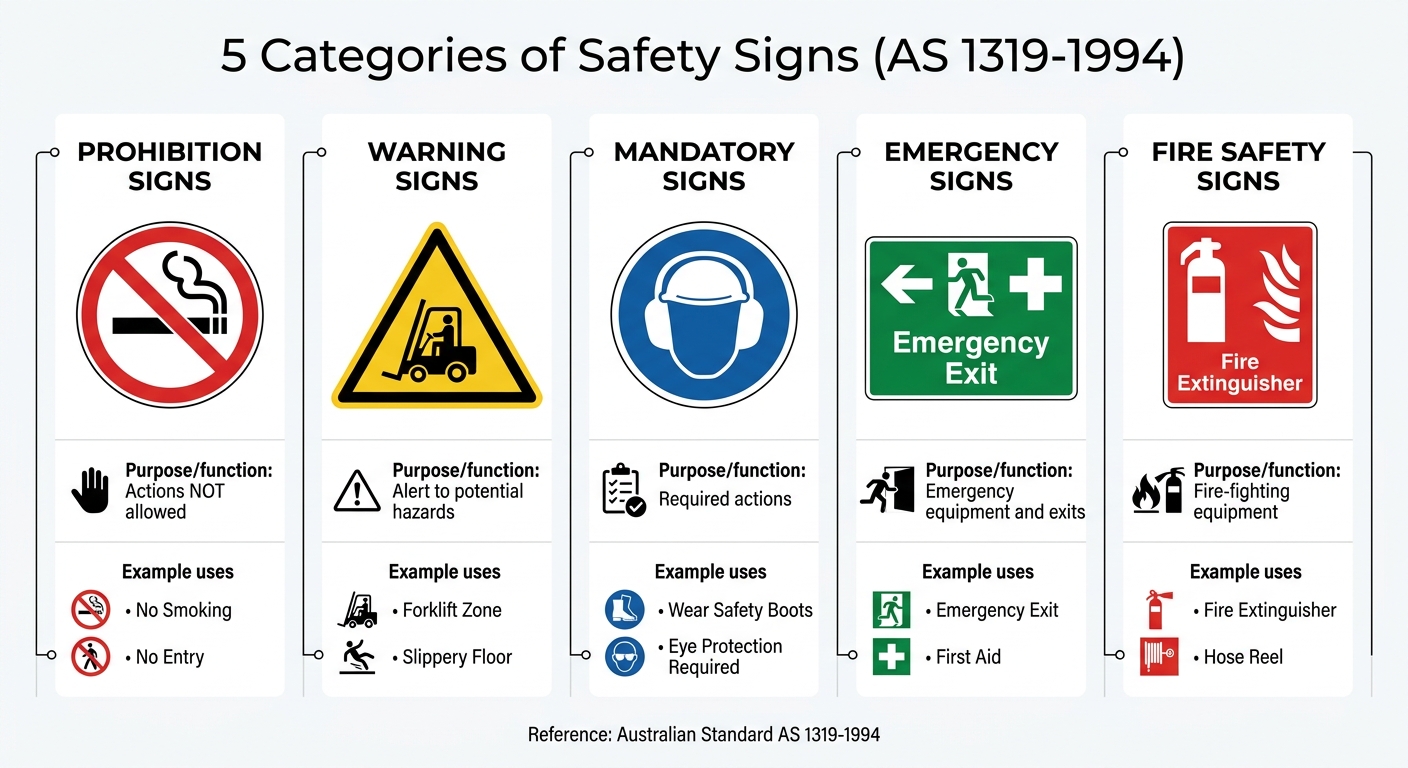
The AS 1319-1994 standard outlines five categories of workplace safety signs, each designed for a specific purpose.
- Prohibition signs: These feature a red circle with a diagonal bar on a white background and indicate actions that are not allowed, such as "No Smoking" or "No Entry."
- Warning signs: Recognisable by their yellow background and black triangle, these alert workers to potential hazards like forklift zones or slippery floors.
- Mandatory signs: Displayed as blue circles with white symbols, they indicate required actions, such as wearing safety boots or eye protection.
- Emergency signs: These use a green background with white text or symbols to point out emergency equipment, exits, or first aid locations.
- Fire safety signs: Featuring a red background with white text or symbols, these identify fire-fighting equipment like extinguishers and hose reels.
This colour-coded system ensures workers can quickly grasp the message without needing to read lengthy text.
An important detail about Danger signs in Australia is that they rely solely on text – symbols or pictograms are not allowed. This ensures that life-threatening hazards are communicated clearly and without ambiguity [5].
Design and Visibility Requirements
AS 1319-1994 also lays out strict rules for the design and placement of safety signs to ensure their effectiveness. Signs must be easy to read, with clear text, simple symbols, and high-contrast colours [3]. The size of the sign should match the viewing distance – larger signs are required for greater distances [5]. In poorly lit areas, signs must also be enlarged by at least 50% to maintain visibility [5].
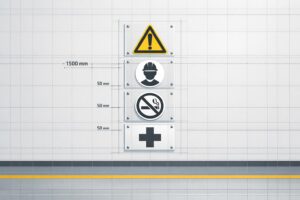
Placement is just as critical. Signs should be mounted at eye level and against a contrasting background to enhance readability [5]. For fire extinguisher location signs, the maximum height is 2 metres from the floor [5]. Care should also be taken to avoid overcrowding an area with too many signs, as this can dilute the safety message [5].
"Signs must be clearly visible, well-illuminated and unobstructed at all times." – WorkSafe Victoria [5]
These guidelines ensure that safety signs are not only informative but also practical in real-world conditions.
Materials and Durability
Common Materials Used for Safety Signs
When it comes to safety signs, the materials used are just as important as their design and placement. In Australia, workplace safety signs must endure tough conditions, including intense UV rays and heavy rainfall. For this reason, aluminium with UV protection and outdoor-grade printing is a popular choice. This combination helps prevent fading and physical damage, making it ideal for construction and industrial sites where signs are exposed to the elements daily.
"Guidelines state that builders/construction signs should be durable and appropriate to the environment they are in (e.g. waterproof or fit for outdoors)." – Safe-R Outcomes [6]
Durable materials aren’t just a preference – they’re essential for ensuring safety and compliance.
Why Durable Materials Matter
Using strong, long-lasting materials isn’t just about keeping signs looking good; it’s a key part of maintaining workplace safety and meeting legal requirements. Under the WHS Act, durable signage is considered a "reasonably practicable" safety measure [2]. Workplace inspectors frequently flag issues like faded, damaged, or obstructed signs during audits [4].
"A workplace that is compliant today may not be compliant in 12 months. Signs fade, get damaged, get obscured by new equipment or storage." – Industro [2]
When signs degrade – whether through fading or physical wear – their ability to warn workers of hazards diminishes. For instance, a faded warning sign with a barely visible symbol or text might fail to alert someone to a serious risk. Ignoring such issues can lead to improvement notices or even fines, which can reach as high as $500,000.
To avoid these problems, it’s crucial to conduct regular checks on the condition of your safety signs. If any signs are damaged or no longer legible, replacing them promptly is essential to ensure compliance and protect workers.
Placement and Maintenance
Where to Place Safety Signs
The effectiveness of safety signs depends heavily on their placement. Signs should be positioned where they are clearly visible and free from obstructions, taking into account lighting conditions and viewing distances. For instance, in Australia, fire extinguisher signs must comply with AS 2444 standards, meaning they need to be visible from 20 metres away and have at least 1 metre of clearance around them [1].
Focus on high-risk areas such as machinery zones, doorways, windows, exits, fences, and outdoor storage tanks. Group related signs, like Hazchem and GHS signs, together for better clarity [7]. Always aim to mount signs at eye level for maximum visibility, and avoid overcrowding a single location with unrelated signs, as this can dilute their impact [7].
"Building signage into your regular WHS inspection and maintenance schedule is the most reliable way to maintain ongoing compliance." – Industro [2]
When planning sign placement, think ahead. Choose spots that won’t be obstructed by future equipment installations or expansions [7]. A well-thought-out placement strategy also makes maintenance easier in the long run.
How to Maintain and Inspect Signs
Good placement isn’t enough – regular maintenance is just as important. Include signage checks as part of your monthly safety inspections [2]. During these reviews, ask: does every identified hazard in your register have a compliant, legible, and properly positioned sign? This straightforward approach can help you catch potential compliance issues early [2].
| Sign Type | Maintenance Requirement | Relevant Standard |
|---|---|---|
| Fire Extinguisher | 20m visibility; 1m clearance | AS 2444 |
| Warehouse Exit Signs | 6/12-month checks; 90-minute battery test | AS/NZS 2293 / NCC |
| Emergency Contact | High visibility; near communication points | AS 1319 |
| General Safety | Unobstructed; well-lit | AS 1319 |
In areas with heavy traffic or outdoor exposure, clean signs regularly to ensure they remain easy to read [1]. Damaged signs, faded by UV exposure or no longer reflecting current safety protocols, should be replaced immediately with new safety signs [1]. Also, verify that new machinery, stock, or furniture hasn’t blocked essential signage. For example, warehouse exit signs require 6-month and 12-month maintenance checks, including a 90-minute battery discharge test [1].
Custom Safety Signs for Specific Needs
Advantages of Custom Safety Signs
Custom safety signs are designed to tackle specific workplace hazards, such as confined spaces, chemical risks, or even wildlife encounters, by using clear and precise language that employees can quickly understand. For instance, a warehouse operating forklifts might use a sign stating, "8 km/h Maximum" instead of a generic warning. This level of clarity helps workers react more effectively. In Queensland, mining sites that implemented custom signs like "Fall Hazard – Edge Protection Required" saw a 40% drop in incidents after installing site-specific railings.
These signs also ensure compliance with AS 1319-1994 by combining standardised colours and symbols with tailored messages. For example, a Sydney factory incorporated pictograms and SDS references into their custom chemical safety signs, which helped them successfully pass Safe Work NSW audits. According to a 2022 Safe Work Australia survey, 68% of Australian businesses now use custom safety signage for unique hazards, leading to a 25% improvement in inspection pass rates.
Given these advantages, creating effective custom signs is essential for hazard communication and workplace safety.
How to Create Custom Safety Signs
Here’s how to develop compliant and effective custom safety signs:
- Identify the hazard and align it with the appropriate AS 1319 category. For example, prohibition signs require red circles, mandatory signs use blue circles, and warning signs need yellow triangles.
- Design signs proportionate to viewing distance to ensure they are easily readable.
Working with professionals like PXP Safety can help you customise the size, message, and material to suit your needs. Using weatherproof materials is crucial to withstand Australia’s tough climate. Keep the text concise – 7 to 10 words is ideal – and double-check compliance with AS 1319-1994 before installation.
Avoid common pitfalls like using incorrect colours (e.g., green for danger signs), oversizing text at the expense of pictograms, or neglecting lamination for outdoor signs, which can lead to fading within six months. Custom signs typically take 7–10 business days to produce, with costs ranging from AU$50 to AU$350, depending on size and features.
PXP Safety‘s Range of Workplace Safety Signs
Types of Signs Available
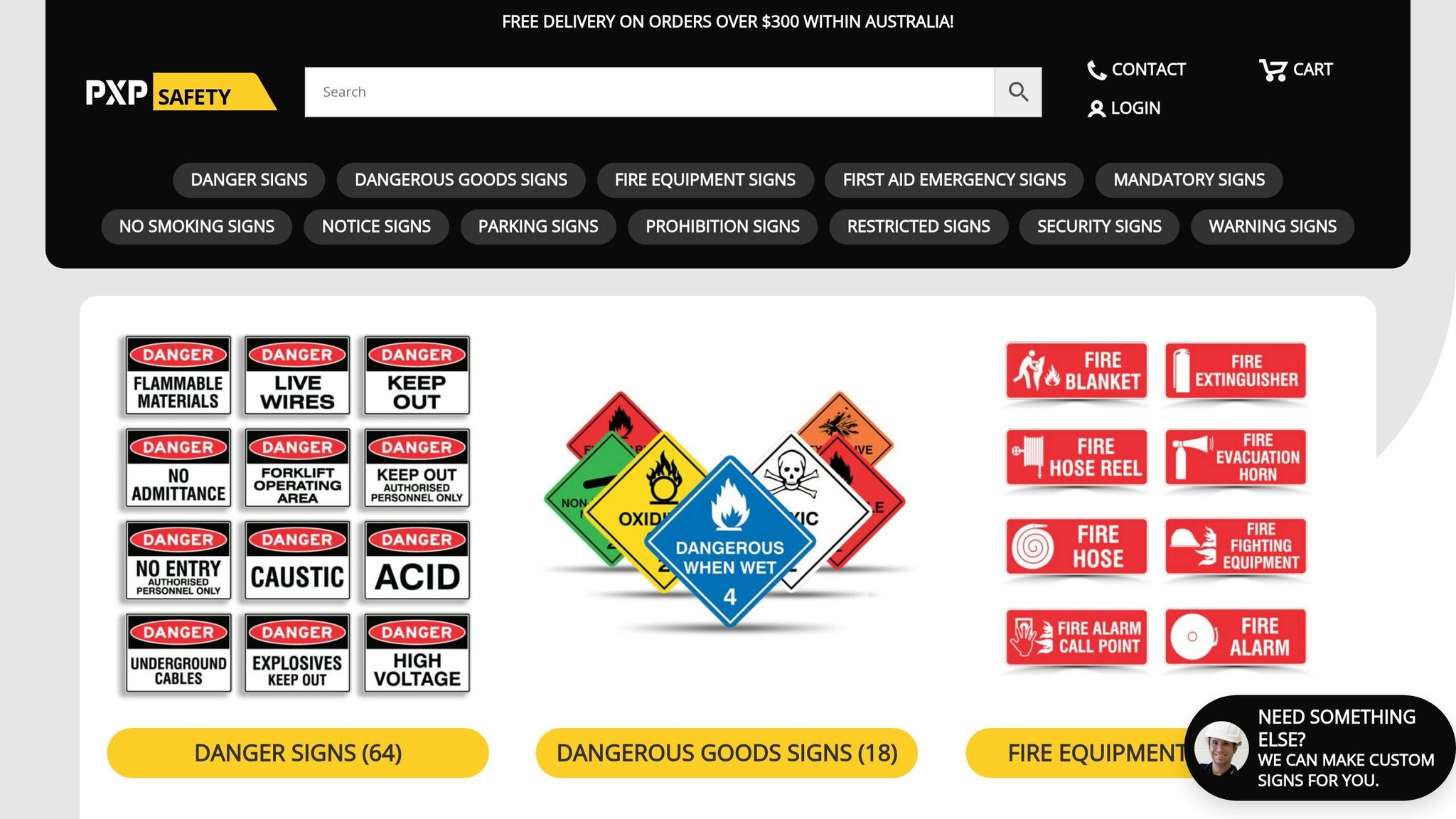
PXP Safety offers an extensive selection of workplace safety signs, tailored to meet a variety of needs across industries. With over 400 types of signs organised into 12 categories, they cover everything from critical hazard warnings to everyday site management essentials [9]. This includes:
- 64 Danger Signs: For life-threatening hazards like high voltage or explosives.
- 62 Prohibition Signs: To restrict activities such as smoking or unauthorised entry.
- 57 Mandatory Signs: Highlighting required PPE like helmets or safety glasses.
- 43 Warning Signs: Alerting workers to potential hazards.
Fire safety signs comply with AS 2444 standards, ensuring workplaces meet stringent Australian requirements [1]. Other categories include first aid and emergency signs, dangerous goods markers, parking signs, and security notices. All signs are designed to align with Australian Standards, making them suitable for construction sites, warehouses, manufacturing plants, or retail spaces [8].
Pricing is accessible, with Standard Danger Signs ranging from AU$46.00 to AU$105.00. This affordability ensures businesses of all sizes can maintain safety compliance without stretching their budgets [9].
Features and Benefits
PXP Safety signs are built for durability and visibility, even in Australia’s challenging environments. They utilise a unique three-layer "PXP Super Shield" system, combining:
- Rust-proof aluminium: Lightweight, strong, and resistant to corrosion – even in humid or coastal areas.
- Outdoor-grade solvent ink: Designed to withstand rain and resist fading under harsh UV rays.
- UV protective film: Prevents colour fading and shields against scratches in high-traffic areas.
"Our safety signs start with a super-strong base… We use tough aluminium, which is as light as a feather and never gets rusty, even in the rainiest weather!" – PXP Safety [8]
This construction ensures the signs stay clear and compliant over time, providing businesses with a reliable solution for workplace safety. For those requiring tailored options, PXP Safety also offers custom sign designs in various sizes and colours, all adhering to AS 1319-1994 standards.
To simplify compliance, PXP Safety provides a digital Safety Signage Checklist tool. This tool helps businesses determine the exact signs needed based on industry type, workforce size, and specific hazards, ensuring alignment with Safe Work Australia guidelines.
Conclusion
Workplace safety signs play a crucial role in preventing accidents and injuries. Safe Work Australia reports that well-implemented and maintained safety signage can cut workplace accidents by up to 30% – a significant figure for both employee wellbeing and business efficiency[11][12]. Considering workplace injuries cost Australian businesses over AU$60 billion each year, investing in high-quality, compliant signage is not just a legal requirement but also a financially sound choice[11][12].
Adhering to AS 1319-1994 standards helps businesses avoid hefty fines, which can reach up to AU$300,000 under Work Health and Safety regulations[10]. To maximise their effectiveness, signs should be placed at eye level (1.5–1.8m) and inspected every six months[10]. Opting for durable materials like UV-protected aluminium ensures signs can last up to 10 years, providing a long-term solution for compliance[10]. Additionally, custom signage tailored to specific site risks can improve understanding by 40% compared to generic options, especially in workplaces with diverse teams where multilingual text is essential[10].
PXP Safety offers a wide selection of compliant safety signs, designed to provide Australian businesses with dependable and durable solutions.
FAQs
What safety signs does my workplace need by law?
Australian workplaces are required to display various safety signs, including warning, prohibition, mandatory, fire equipment, first aid, danger, and no smoking signs. This is essential to comply with Work Health and Safety (WHS) regulations and standards like AS 1319-1994. These signs play a key role in maintaining a safe environment while ensuring businesses meet their legal obligations.
How do I choose the right sign size for my viewing distance?
When deciding on the right sign size, it’s important to think about factors such as potential obstructions, the level of activity in the area, lighting conditions, and how far away the sign needs to be seen. For closer distances, a smaller size like 300 mm x 225 mm is often sufficient. However, for spaces where the sign needs to be visible from further away, opting for a larger size ensures better readability and compliance.
When should I replace a safety sign that’s faded or damaged?
Safety signs that are faded or damaged need to be replaced straight away to ensure they stay visible, readable, and meet Australian standards, like AS 1319-1994. Replacing these signs promptly is essential for maintaining workplace safety and fulfilling legal responsibilities.
Related Blog Posts
You may also be interested in
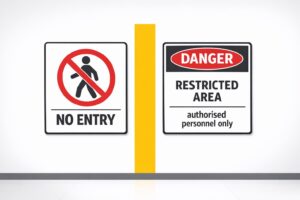
Restricted Area Signs vs. No Entry Signs
Compare No Entry and Restricted Area signs in Australian workplaces — meanings, design differences and AS 1319 compliance.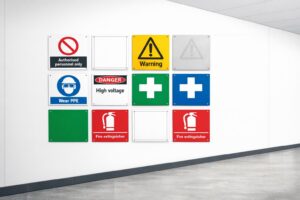
How to Spot Workplace Signage Gaps
Audit your workplace for missing, faded or non‑compliant signs under AS 1319 to reduce incidents and avoid WHS fines.
Symbol Design: Global Standards Explained
Explains ISO 7010 and ISO 3864: standard symbols, colours and sizing for clear, language‑free safety signage and AU compliance.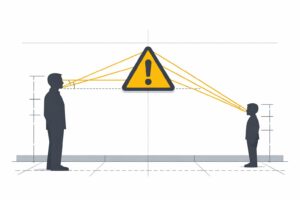
Hazard Sign Visibility Planner
Plan hazard sign placement for max visibility with our free tool. Ensure safety by finding the best spot, height, and angle—try it now!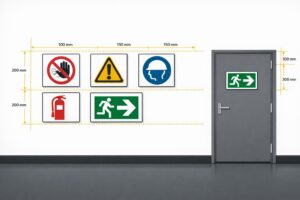
Australian Safety Sign Compliance Guide
Ensure your workplace meets Australian safety sign standards with our easy guide. Get tailored signage advice for compliance today!