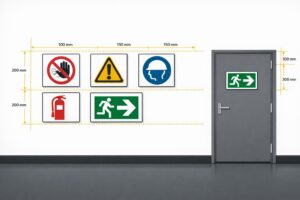
Safety Sign Size Estimator
Ensure Visibility with the Right Safety Sign Dimensions
When it comes to workplace safety, having the correct signage can make all the difference. Poorly sized signs risk being ignored or misread, potentially leading to hazards. That’s where a reliable tool for calculating sign dimensions based on viewing distance comes in handy. Whether you’re outfitting a factory floor or an outdoor construction site, getting the measurements right ensures your warnings and instructions are impossible to miss.
Why Sign Size Matters
Australian guidelines, such as AS 1319-1994, provide a clear framework for signage visibility. The general principle is simple: the farther the viewer, the larger the text or symbol needs to be. This is especially crucial in high-risk environments where quick recognition of safety information can prevent accidents. Tools that estimate the ideal dimensions take into account factors like environment—indoor settings often need less exaggeration compared to outdoor spaces with variable lighting and distractions.
Tailored Solutions for Compliance
Using a digital estimator for signage sizing saves time and reduces errors. Input a few details, and you’ve got recommendations aligned with national standards. It’s a straightforward way to keep your workplace safe and compliant without needing to dig through complex regulations yourself.
FAQs
How does viewing distance affect safety sign size?
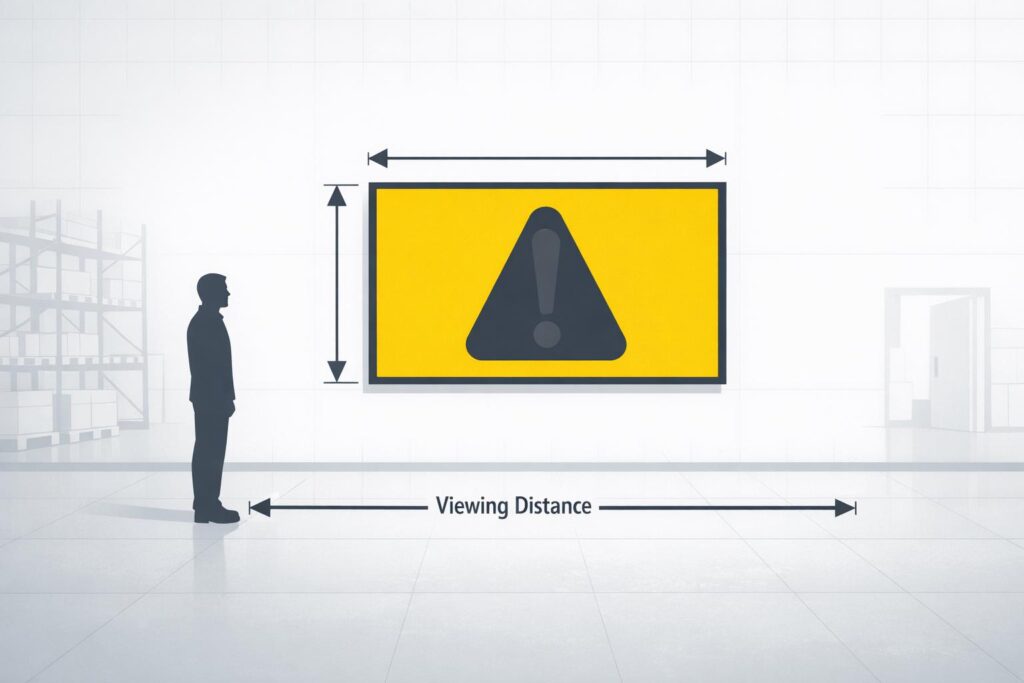
The further away someone is, the larger the sign needs to be for clear visibility. According to Australian standards like AS 1319-1994, a good rule of thumb is 10mm of letter height for every meter of viewing distance. So, if your sign will be viewed from 5 meters away, the letters should be at least 50mm tall. Our tool automates this calculation so you don’t have to worry about the maths!
Why are outdoor signs sized differently from indoor ones?
Outdoor environments often have more visual noise—like glare from the sun or distractions in the background—which can make signs harder to read. That’s why we add a 20% size increase for outdoor settings to boost visibility. It’s a practical adjustment to ensure your safety messages stand out, no matter the conditions.
Can I use this tool for non-safety signage?
Absolutely, though it’s designed with safety signs in mind. The formula is based on standards for critical visibility, so it’s great for any signage where clarity is key—like directional or warning signs. If you’re working on something decorative or less urgent, you might not need to stick to these exact dimensions, but it’s still a handy starting point.
You may also be interested in
FAQs About Workplace Safety Signs in Australia
AS 1319 sign types, placement, materials and maintenance for workplace safety and WHS compliance in Australia.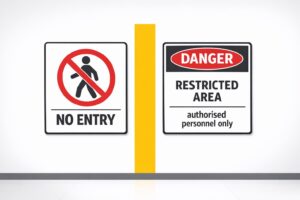
Restricted Area Signs vs. No Entry Signs
Compare No Entry and Restricted Area signs in Australian workplaces — meanings, design differences and AS 1319 compliance.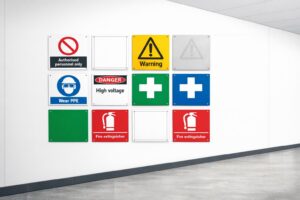
How to Spot Workplace Signage Gaps
Audit your workplace for missing, faded or non‑compliant signs under AS 1319 to reduce incidents and avoid WHS fines.
Symbol Design: Global Standards Explained
Explains ISO 7010 and ISO 3864: standard symbols, colours and sizing for clear, language‑free safety signage and AU compliance.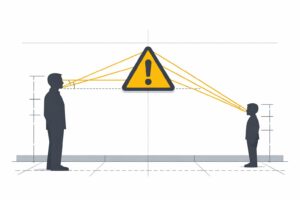
Hazard Sign Visibility Planner
Plan hazard sign placement for max visibility with our free tool. Ensure safety by finding the best spot, height, and angle—try it now!