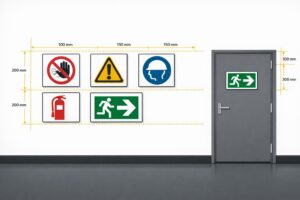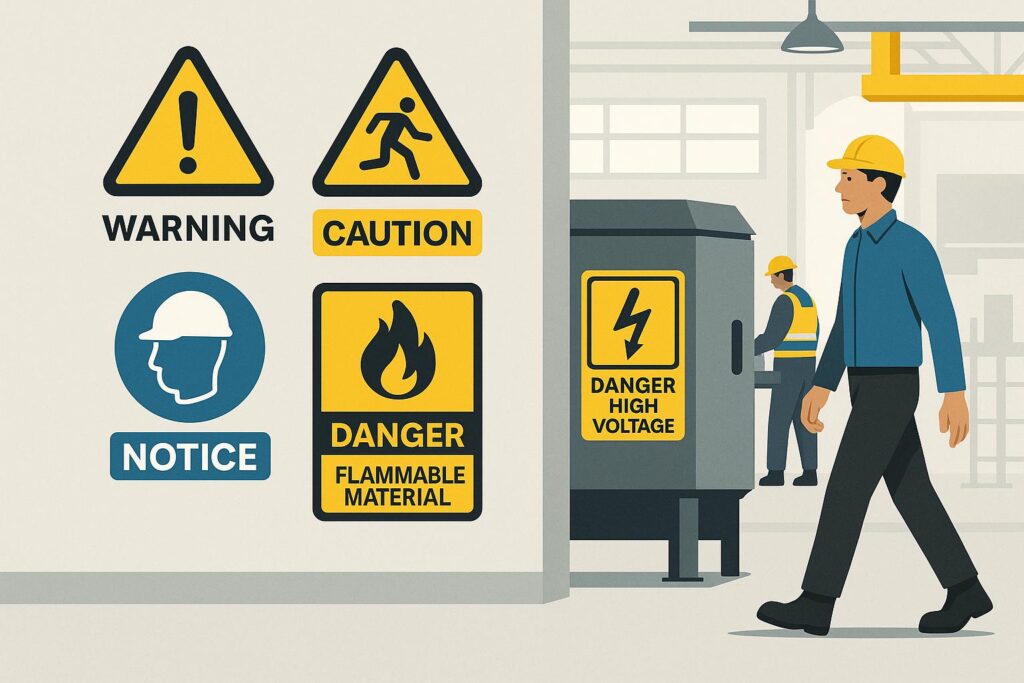
Workplace Safety Signage Guide
Ensure Workplace Safety with the Right Signage
Running a business comes with a heap of responsibilities, and keeping your team safe is right at the top. A solid understanding of safety signage can make all the difference in preventing accidents and staying compliant with regulations. Whether you’re managing a bustling construction site or a quiet office space, having the correct signs in place isn’t just a legal box to tick—it’s about protecting people.
Why Safety Signage Matters
Visual cues like hazard warnings, fire safety markers, and emergency exit indicators play a critical role in any workplace. They guide employees and visitors during emergencies, highlight risks, and reinforce safe practices. But not every business needs the same setup. A manufacturing plant might require dozens of warning labels near heavy machinery, while a small office could focus on basic evacuation signage. That’s where tailored guidance comes in handy.
Finding the Right Fit for Your Business
Navigating international standards like ISO 7010 can feel overwhelming, especially if you’re unsure which rules apply to your industry. Our interactive resource simplifies this by offering customised checklists based on your specific needs. From recommended quantities to strategic placement tips, you’ll have a clear roadmap to create a safer environment without the guesswork.
FAQs
What safety signs are mandatory for my workplace?
It really depends on your industry and workplace size. For instance, construction sites often need hazard warning signs for dangerous equipment, while offices might focus more on fire safety and exit signs. Our tool takes your specific details and matches them against international standards like ISO 7010 to give you a tailored list of mandatory signs. You’ll also get notes on why each sign matters, so you’re not left guessing.
How do I know where to place safety signs?
Placement is just as important as having the right signs. Our guide provides practical tips based on global safety guidelines. For example, emergency exit signs should be visible from key pathways, and hazard warnings need to be near the risk area. We’ll break it down for your specific setup, so you can feel confident everything’s in the right spot.
Does this tool cover international safety standards?
Absolutely, we’ve built this guide with international standards like ISO 7010 in mind. That means the recommendations you get are aligned with widely recognised safety practices, whether you’re in Australia or elsewhere. It’s a solid starting point to ensure compliance, though we always suggest checking local regulations for any extra requirements.
You may also be interested in
FAQs About Workplace Safety Signs in Australia
AS 1319 sign types, placement, materials and maintenance for workplace safety and WHS compliance in Australia.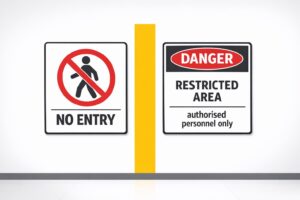
Restricted Area Signs vs. No Entry Signs
Compare No Entry and Restricted Area signs in Australian workplaces — meanings, design differences and AS 1319 compliance.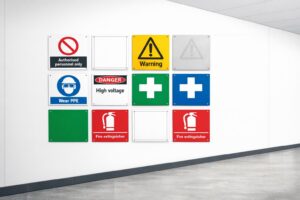
How to Spot Workplace Signage Gaps
Audit your workplace for missing, faded or non‑compliant signs under AS 1319 to reduce incidents and avoid WHS fines.
Symbol Design: Global Standards Explained
Explains ISO 7010 and ISO 3864: standard symbols, colours and sizing for clear, language‑free safety signage and AU compliance.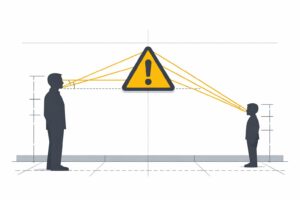
Hazard Sign Visibility Planner
Plan hazard sign placement for max visibility with our free tool. Ensure safety by finding the best spot, height, and angle—try it now!