Common Safety Signage Issues and Fixes
Safety signage is more than a workplace necessity – it’s a legal requirement under Australian WHS laws. Poorly placed, damaged, missing, or outdated signs can lead to accidents, fines over $100,000, or even imprisonment. This guide highlights common signage problems and practical solutions to keep your workplace safe and compliant.
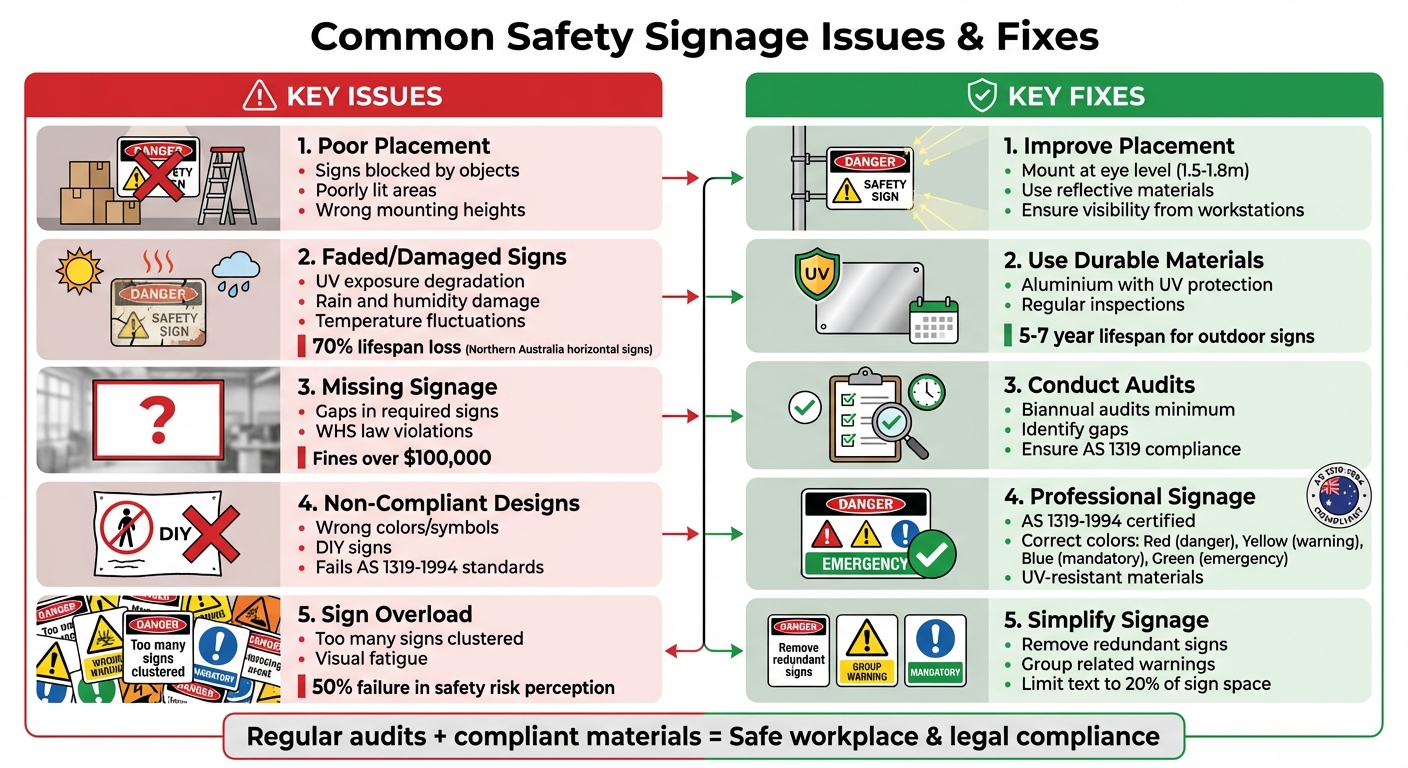
Key Issues:
- Poor placement: Signs blocked by objects, poorly lit, or mounted at ineffective heights.
- Faded or damaged signs: UV exposure, rain, and temperature changes degrade materials, making signs unreadable.
- Missing or incomplete signage: Gaps in essential safety signs increase risks and violate WHS laws.
- Non-compliant designs: Incorrect colours, symbols, or DIY signs fail to meet AS 1319-1994 standards.
- Sign overload: Too many signs in one area cause workers to ignore critical warnings.
Key Fixes:
- Place signs at eye level (1.5–1.8 m), ensure visibility from workstations, and use reflective materials in low-light areas.
- Use durable materials like aluminium with UV protection and inspect signs regularly.
- Conduct biannual audits to identify gaps and ensure all signs meet AS 1319 standards.
- Replace non-compliant or DIY signs with professional, WHS-compliant designs.
- Simplify signage by removing redundant signs and grouping related warnings logically.
By addressing these issues, businesses can protect workers, avoid legal penalties, and maintain a safe workplace.
Common Safety Signage Issues vs Solutions Guide
Take 5 Workplace Health and Safety Signage
sbb-itb-9950c92
Poor Placement and Low Visibility
Even a perfectly designed sign won’t do its job if no one can see it. Poor placement is a common issue in Australian workplaces and often leads to non-compliance with AS 1319-1994 standards.
"If no-one can see the sign, you can’t really say it’s helping to keep your workplace safe." – Safety Signs Australia [5]
This highlights the importance of carefully considering the work environment to ensure signs are visible and effective.
Common Placement Mistakes
One of the most frequent errors is placing signs where they can be obstructed. Items like cardboard boxes, pallets, shelving, or machinery often block signage, rendering it ineffective [10, 11]. Just because a sign is visible from one angle doesn’t mean it’s easy to spot from workstations or near equipment [10, 13].
Lighting is another big factor. Signs placed in poorly lit areas, such as dark corners or dimly lit sections of a workplace, can become unreadable – especially during night shifts [8, 12, 13]. Mounting height also plays a role. Signs that are too high make workers strain to see them, while signs mounted too low risk being covered by equipment or foot traffic [6, 11, 13].
Size matters, too. Signs that are too small for the viewing distance fail to communicate their message effectively. AS 1319 specifies clear size guidelines: pictograms need to be at least 15 mm per metre of viewing distance, upper-case text requires 5 mm per metre, and lower-case text needs 4 mm per metre [6]. Ignoring these standards can turn a sign into an unrecognisable blur [5].
How to Improve Sign Placement
Improving sign placement starts with walking through the workplace as if you were an employee. Check visibility from workstations and identify blind spots where signs might be hidden [10, 11].
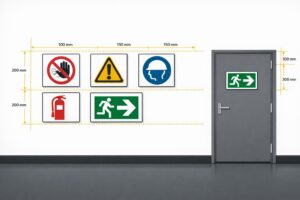
Aim to mount signs at eye level, generally between 1.5 and 1.8 metres, and position them close to the hazard they address. For example, place signs like a dangerous goods ID sign directly on chemical storage units, at site entrances, or on machinery [11, 12, 13].
In areas with poor lighting, use reflective or photoluminescent materials to make signs stand out. Increasing the size of signs by at least 50% beyond AS 1319 requirements can also enhance legibility in these conditions [1, 6, 11, 13]. Avoid placing signs in areas with heavy foot or vehicle traffic, as they can easily be blocked by movement [4]. Lastly, mount signs against contrasting backgrounds to ensure they don’t blend into their surroundings [1].
Faded, Damaged, and Neglected Signs
Faded or damaged signs lose their ability to convey important safety messages. Australia’s tough climate – featuring intense UV rays, heavy rainfall, and coastal salt air – can quickly wear down workplace signage. Over time, these conditions degrade materials, making safety instructions unreadable and potentially putting businesses at risk of non-compliance.
"Exposure to UV radiation is one of the primary causes of signage fading. The ultraviolet rays break down the chemical bonds called chromophores, which are light-absorbing molecules that give the paint or any object its colour." – Curo – Brand Application [8]
This process, known as photo-degradation, reduces colour contrast, making text harder to read. In Northern Australia (Zone 3), horizontally placed signs can lose up to 70% of their lifespan, while vertical signs lose between 40-50% [8]. Even in cities like Sydney, Brisbane, and Perth (Zone 2), vertical signs typically lose around 30% of their lifespan due to UV exposure [8].
What Causes Sign Damage
While UV radiation is the main cause of damage, it’s not the only one. Other environmental factors include:
- Rain and humidity: These allow moisture to seep into sign edges, leading to bubbling, warping, or mould growth [9]. Water can also weaken adhesives, causing peeling, and speed up rusting on metal components [9][11].
- Temperature changes: Fluctuations make acrylic and vinyl expand and contract, resulting in cracks, bubbling, or separation [9].
- Wind and storms: These can tear banners, bend panels, or loosen mounting brackets [9][13].
- Salt exposure: In coastal areas, salt corrodes metal fixings and frames, causing rust stains and weakening the overall structure [9].
Most outdoor signs are designed to last between 5 to 7 years [13]. However, vibrant colours like red and yellow tend to fade faster under direct sunlight [10].
"Faded colours, peeling vinyl, or cracked panels make signs unreadable – and auditors see them as an instant risk." – Phoenix Graphics [2]
To combat these issues, businesses need to focus on selecting durable materials and performing regular maintenance.
Maintenance and Material Recommendations
Dealing with weather-related damage requires a combination of robust materials and consistent upkeep. Choosing the right materials from the outset can significantly extend a sign’s lifespan. For example:
- Aluminium: Naturally resistant to rust, making it ideal for outdoor use.
- Vinyl: Provides waterproofing for flexible applications [9][2].
- Aluminium Composite Panels (ACM): When paired with UV-resistant laminates, these can last over 10 years [8][9].
PXP Safety offers aluminium signs with UV-protective film and solvent outdoor printing, specifically designed to endure Australia’s harsh conditions. These materials not only ensure compliance but also minimise the need for frequent replacements.
Regular maintenance is equally critical. Monthly cleaning with mild soap and water helps remove dirt and grime, but avoid power-washing, as it can strip protective coatings [9][13]. Conduct weekly or monthly visual inspections to spot early signs of fading, cracks, or loose mounting [13]. Address minor issues like peeling vinyl or surface rust promptly to prevent larger problems [11][12].
| Maintenance Task | Frequency | Best Practice |
|---|---|---|
| General Cleaning | Monthly | Use mild soap, warm water, and microfibre cloths [11]. |
| Visual Inspection | Weekly/Monthly | Look for cracks, fading, or loosened mounting [13]. |
| Structural Check | Every 3 Months | Inspect bolts, brackets, and frames for corrosion [11]. |
| Rust Treatment | Every 4 Months | Apply anti-rust spray and weatherproof sealant [11]. |
Strategic placement can also reduce wear and tear. Avoid horizontal mounting, as it accelerates fading. Instead, opt for vertical placement facing north or south to minimise exposure to all-day sunlight [8]. Depending on environmental conditions, safety signs should be inspected or replaced every 3 to 7 years [2].
Missing or Incomplete Required Signage
When critical safety signs like fire exit markers, PPE reminders, or hazard warnings are absent, workplace safety compliance takes a serious hit. Missing signage doesn’t just increase risks for workers – it can also lead to hefty penalties under Australian WHS laws. These include improvement notices, operational shutdowns, fines exceeding $100,000, legal action, and even the invalidation of insurance claims [14].
"Non-compliance with national standards doesn’t just put people in danger; it puts your business operations, reputation, and legal standing at risk." [14]
The repercussions extend beyond legal and financial penalties. Safety lapses can erode client trust, especially in industries like construction or government contracting, where safety records often influence project approvals. Conducting a systematic audit is key to identifying and addressing these gaps.
Finding Signage Gaps
Spotting missing or inadequate signs starts with a thorough audit. Begin by creating a detailed site map that highlights all areas needing safety or instructional signage. For most workplaces, audits should occur at least twice a year. However, environments with higher risks or frequent changes to layouts, machinery, or procedures may require monthly or quarterly reviews [6, 27].
Each audit should categorise hazards using a compliance checklist aligned with AS 1319:1994. Check for the correct placement of Warning signs (yellow with black triangles), Mandatory signs (blue circles), and Prohibition signs (red circles with diagonal slashes) [27, 30]. Signs should be mounted at a height of 1.5 m to 2.1 m, free from obstructions, and legible in both bright and low-light conditions. Keeping a digital logbook of all signage and its locations can streamline compliance checks during WHS inspections.
Once gaps are identified, it’s essential to implement a complete and compliant signage system.
Installing Complete Signage Systems
A comprehensive signage system covers all necessary categories: Danger (red oval signs), Mandatory (blue circles), Emergency (green exit signs), Fire (red firefighting equipment signs), Warning (yellow hazard signs), and Prohibition (red ‘no’ signs) [1, 28, 30].
Use compliance checklists to confirm that each sign adheres to AS 1319 standards for wording, symbols, and colours. Maintaining an inventory of required signs ensures quick replacements for any that become faded, damaged, or missing [25, 27]. Hazard signs should be positioned well before the danger zone to give workers adequate time to respond [16].
"The absence of these signs would make it difficult for the people on the floor to react to or escape an industrial accident." [16]
PXP Safety offers durable aluminium signs featuring UV-protective film and solvent outdoor printing, all compliant with AS 1319:1994. These signs are built to endure Australia’s tough conditions, helping workplaces stay both safe and legally compliant. Custom signage options are also available to meet unique requirements. Installing a complete signage system not only satisfies legal obligations but also fosters a proactive safety culture.
Non-Compliant and Outdated Sign Designs
Once you’ve tackled placement and material durability, the next priority is ensuring that your signs adhere to AS 1319 standards. Even if a sign is physically intact, a flawed design can render it useless. Mistakes like using the wrong colours, outdated symbols, or homemade designs can compromise workplace safety. For instance, if a sign incorrectly uses yellow for mandatory actions instead of blue, workers might misinterpret or overlook the instruction entirely [14]. This confusion not only disrupts workflow but also raises the risk of accidents or injuries.
Signs that don’t meet AS 1319:1994 standards won’t pass a WHS inspection, and the consequences can be severe. Businesses could face fines exceeding $100,000, stop-work orders, or even invalidated insurance claims in the event of an incident [14]. Beyond legal repercussions, non-compliant signage can lead to life-threatening scenarios – such as workers unknowingly entering high-voltage areas or confined spaces [14]. Regularly reviewing signage design, alongside its placement and maintenance, is a crucial step in ensuring safety and compliance.
Spotting Non-Compliant Designs
One of the most common issues with non-compliant signs is the use of DIY or homemade designs. These often fail to use the correct colours or symbols. For example, a DIY sign might omit the required red circle with a diagonal slash or use an incorrect shade of blue for mandatory actions [2]. Additionally, these improvised signs rarely meet durability standards, fading quickly under Australia’s harsh UV exposure and becoming illegible far sooner than professionally produced alternatives.
"Outdated symbols, wrong colours, or improvised ‘home-printed’ signs often fail to meet AS 1319 requirements." – Phoenix Graphics [2]
When conducting audits, ensure all signs follow the AS 1319 colour codes: red for danger and prohibition, yellow for warnings, blue for mandatory instructions, and green for emergency information [16]. Any sign that deviates from these specifications should be replaced immediately. Identifying these design flaws is a critical step toward implementing compliant and professional signage.
Using Compliant Professional Signage
Investing in professional signage removes uncertainty and ensures compliance with AS 1319:1994. These signs are designed to withstand Australia’s tough UV conditions, maintaining their legibility and effectiveness over time. Standardised designs also help workers quickly identify hazards, regardless of language barriers or prior site experience.
For example, PXP Safety offers high-quality aluminium signs with UV-protective film and solvent outdoor printing, all tailored to meet AS 1319:1994 standards. Their signs strictly adhere to the mandated colours, symbols, and layouts required by Australian WHS regulations. Customised options are also available to address specific workplace hazards. By choosing professional signage, businesses can safeguard their workers and avoid unnecessary risks, fines, or penalties.
Too Many Signs and Unclear Messages
Once your signs are compliant and well-maintained, the next hurdle is avoiding sign overload. An excess of signs can create a patchwork effect that leads employees to ignore even the most critical warnings[18]. No matter how well-designed a sign is, its message will be lost in the clutter if surrounded by too many others. This phenomenon, known as visual fatigue, happens when employees are bombarded with so much information that they overlook crucial hazards. Research shows that inattentive blindness contributed to 50% of documented cases of "Failure of Safety Risk Perception" in the construction industry[17]. When overwhelmed by too many signs, workers may struggle to distinguish between serious hazards and minor reminders.
The Problem with Sign Overload
Sign clutter becomes especially problematic when multiple warnings are grouped too closely together – like at a warehouse entrance. Instead of processing each warning, workers often dismiss them entirely[17]. Studies suggest that people take only three to five seconds to absorb the message of a sign, but cluttered walls make it harder for critical messages to stand out[3]. Over time, employees may grow so accustomed to walls filled with signage that they develop complacency, ignoring warnings altogether[19]. Reducing this clutter isn’t just about improving aesthetics; it’s about ensuring clarity and safety.
Simplifying Signage for Better Understanding
Tackling sign overload starts with a simple principle: less is more. Begin with regular signage audits to identify and remove any redundant, irrelevant, or damaged signs[18]. For remaining signs, group them logically by function or hazard type – such as placing GHS and Hazchem signs together – so workers can process related risks more efficiently[4]. This approach enhances the impact of compliant signage, ensuring its messages are clear and actionable.
Peter Agnos, Head of Technical at Blackwoods, advises teams to conduct site walks to "consolidate and simplify artwork on multiple signs to create fewer yet more efficient signs"[18]. Keeping individual signs concise is another key step – limit text to no more than 20% of the sign’s total space[3]. Incorporating universal pictograms can also make messages easier to understand, cutting through language barriers and enabling quick recognition even from a distance[7]. By focusing on essential warnings and eliminating unnecessary duplicates, you can create a safer environment where critical messages truly stand out.
Conclusion: Keeping Safety Signage Effective
Keeping safety signage effective requires consistent attention to its placement, maintenance, compliance, and clarity. This article has highlighted common challenges, from poor positioning to outdated designs, and emphasised the importance of addressing these issues through regular reviews and updates.
Conduct signage audits at least twice a year or whenever significant changes occur in the workplace. During these reviews, inspect for issues like faded text, physical damage, or blocked sightlines. As K2K Signs points out:
"Regular audits help maintain visibility, update outdated materials, and replace faded or non-reflective signage before confusion arises" [15].
It’s also a good idea to keep digital records of these audits. This not only helps demonstrate compliance during Work Health and Safety (WHS) inspections but also ensures businesses meet their obligations under the Work Health and Safety Act. Business owners and WHS officers are legally responsible for maintaining compliant and visible signage [15]. Proper records can protect your organisation from fines and strengthen your risk management plan.
Choosing the right materials also plays a big role in ensuring signage remains effective over time. Opt for durable, UV-resistant materials like aluminium or polypropylene to prevent fading and maintain legibility [15][6]. Companies like PXP Safety offer UV-protected, outdoor-grade signage and custom solutions tailored to specific hazards, providing a practical way to address long-term safety needs.
FAQs
What safety signs are legally required for my site?
When it comes to safety signage on your site, compliance with Australian standards and regulations is non-negotiable. The essential signs you’ll need include:
- Danger signs
- Fire equipment signs
- First aid and emergency signs
- Mandatory signs
- No smoking signs
- Prohibition signs
- Notice signs
- Parking signs
- Warning signs
- Security signs
All signage must adhere to AS 1319-1994 standards to ensure workplace safety and legal compliance. These regulations are in place to protect everyone on-site and minimise risks.
How do I know if my signs meet AS 1319:1994?
To ensure your safety signs align with AS 1319:1994, check that they meet the standard’s requirements for design, placement, and content. Signs should be easy to read, visible from a practical distance, and positioned where they won’t block pathways or be obscured. It’s also essential to use the appropriate colours, symbols, and layouts specified in the standard. Conducting regular inspections can help keep your signage up to standard.
When should I replace outdoor safety signs in Australia?
Outdoor safety signs in Australia need replacing when they show signs of fading, damage, or weathering. Keeping signs clear and readable is crucial for maintaining visibility and adherence to safety regulations. Conducting regular inspections for wear and tear helps ensure a safe workplace and prevents any potential compliance problems.
Related Blog Posts
You may also be interested in
FAQs About Workplace Safety Signs in Australia
AS 1319 sign types, placement, materials and maintenance for workplace safety and WHS compliance in Australia.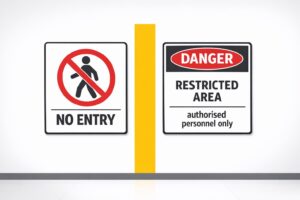
Restricted Area Signs vs. No Entry Signs
Compare No Entry and Restricted Area signs in Australian workplaces — meanings, design differences and AS 1319 compliance.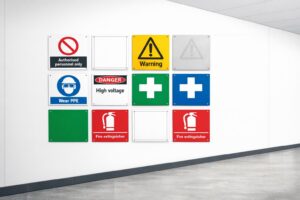
How to Spot Workplace Signage Gaps
Audit your workplace for missing, faded or non‑compliant signs under AS 1319 to reduce incidents and avoid WHS fines.
Symbol Design: Global Standards Explained
Explains ISO 7010 and ISO 3864: standard symbols, colours and sizing for clear, language‑free safety signage and AU compliance.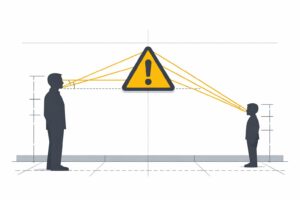
Hazard Sign Visibility Planner
Plan hazard sign placement for max visibility with our free tool. Ensure safety by finding the best spot, height, and angle—try it now!