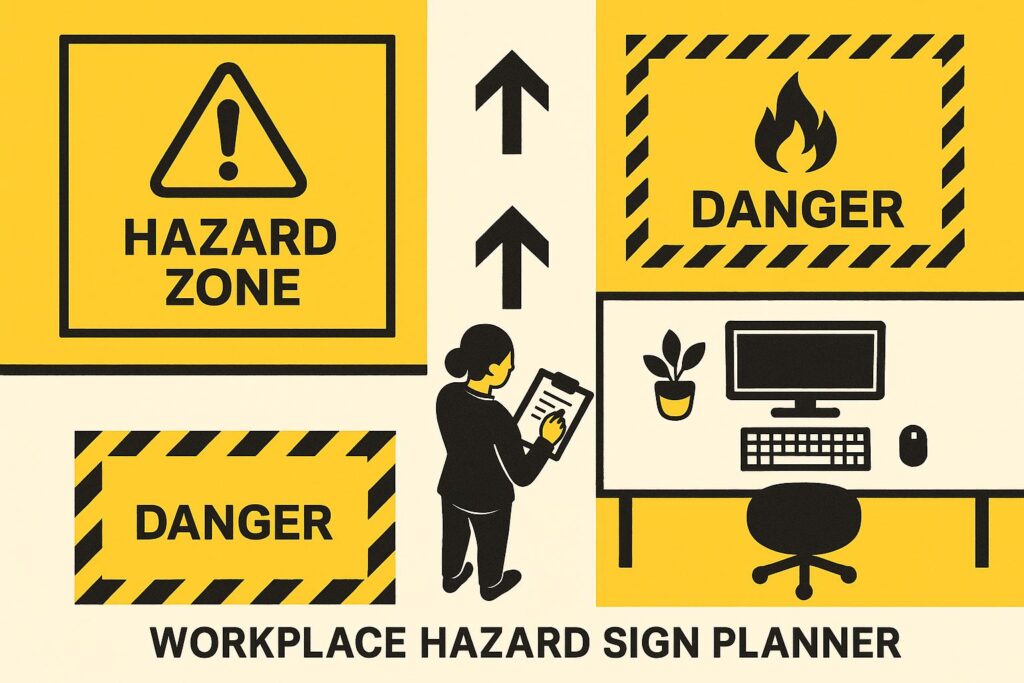
Workplace Hazard Sign Planner
Enhance Workplace Safety with a Hazard Signage Planner
Ensuring a safe working environment is a top priority for any business, especially in industries where risks like chemical spills, electrical dangers, or physical obstacles are part of daily operations. A well-thought-out approach to hazard signage can make all the difference in preventing accidents and keeping everyone protected. That’s where a tool like the Workplace Hazard Sign Planner comes in handy—it simplifies the process of identifying critical areas and deciding where warning signs are most needed.
Why Signage Planning Matters
Poorly placed or insufficient signage can lead to confusion or, worse, unnoticed hazards. Safety managers often juggle multiple responsibilities, and manually mapping out risk zones can be time-consuming. By using a digital planner, you can input specific details about your facility—such as the nature of risks and foot traffic patterns—and get a clear, prioritised list of recommendations. This not only saves time but also helps ensure that high-risk spots aren’t overlooked. Whether you’re updating an existing setup or starting fresh, having a structured safety signage strategy boosts compliance and peace of mind for everyone on site.
FAQs
How does the Workplace Hazard Sign Planner prioritise signs?
Our tool uses basic safety logic to rank signage needs. For instance, high-traffic areas with chemical hazards get top priority for prominent signs because the risk of exposure is greater. We factor in the type of hazard—chemical, electrical, or physical—and the foot traffic level to suggest quantities and placements that make sense for maximum visibility and safety.
Can I use this tool for any type of workplace?
Absolutely! Whether you’re managing a factory, warehouse, office, or construction site, this planner adapts to your inputs. Just provide details about your hazard zones and traffic patterns, and it’ll generate a plan tailored to your setup. It’s designed to align with general safety guidelines, so it’s a solid starting point for most environments.
Is the signage plan compliant with safety regulations?
This tool offers recommendations based on widely accepted safety principles, but it’s not a substitute for local regulations or professional advice. Think of it as a helpful guide to get you started. Always double-check with your regional safety standards or a consultant to ensure full compliance before putting up signs.
You may also be interested in
FAQs About Workplace Safety Signs in Australia
AS 1319 sign types, placement, materials and maintenance for workplace safety and WHS compliance in Australia.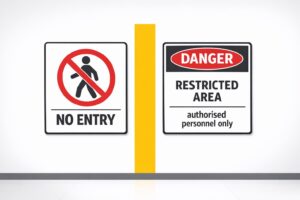
Restricted Area Signs vs. No Entry Signs
Compare No Entry and Restricted Area signs in Australian workplaces — meanings, design differences and AS 1319 compliance.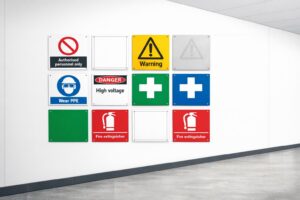
How to Spot Workplace Signage Gaps
Audit your workplace for missing, faded or non‑compliant signs under AS 1319 to reduce incidents and avoid WHS fines.
Symbol Design: Global Standards Explained
Explains ISO 7010 and ISO 3864: standard symbols, colours and sizing for clear, language‑free safety signage and AU compliance.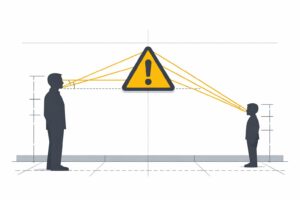
Hazard Sign Visibility Planner
Plan hazard sign placement for max visibility with our free tool. Ensure safety by finding the best spot, height, and angle—try it now!