Safety Sign Placement Guide
Ensure Workplace Safety with Proper Sign Placement
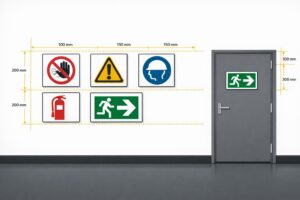
Navigating the rules for safety signage in Australia can feel like a maze, but it’s critical for protecting staff and visitors. Whether you’re managing a bustling factory or a small office, knowing where to position warning or emergency exit signs can make all the difference. Our Safety Sign Placement Guide simplifies this process, aligning with AS 1319-1994 and Safe Work Australia recommendations to help you stay compliant without the headache.
Why Positioning Matters
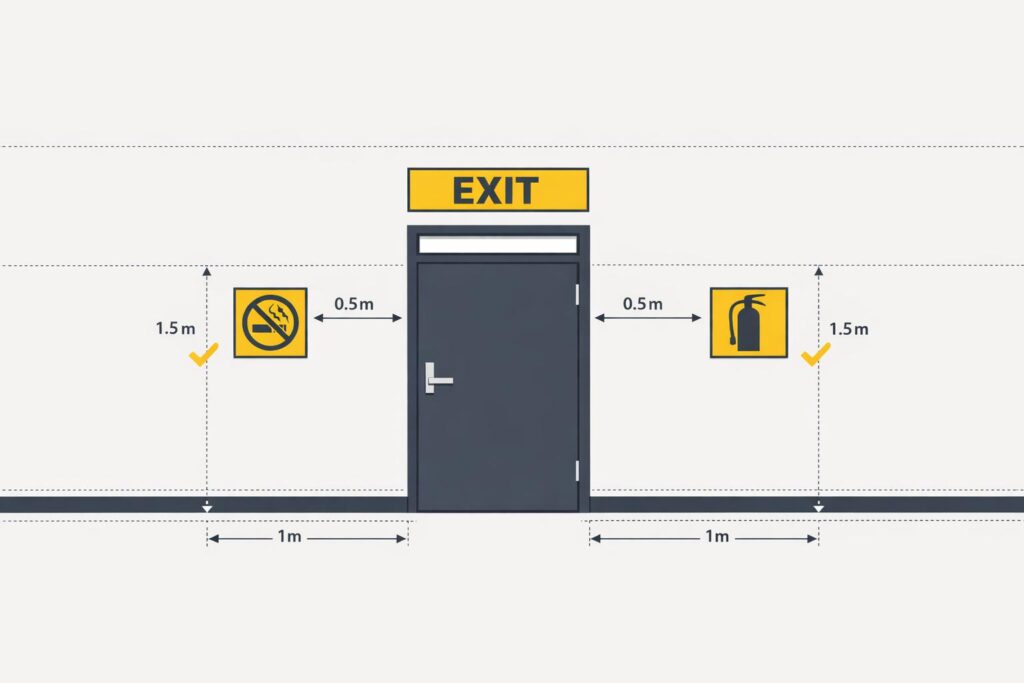
Poorly placed signage can be missed in a crisis, putting lives at risk. Australian standards outline specific heights, angles, and locations to ensure maximum visibility—think emergency exits at 2.1m above doorways or hazard warnings near risky equipment. But these rules vary by environment, and that’s where tailored guidance comes in handy. A tool designed for local compliance cuts through the confusion, offering clear steps for any space.
Beyond Compliance
Getting it right isn’t just about ticking boxes; it’s about creating a safer environment. With practical tips for different settings, you can avoid fines and boost peace of mind. So, next time you’re setting up signage, let a reliable resource guide you to spot-on placement every time.
FAQs
What standards does this tool follow for safety sign placement?
Our guide is based on AS 1319-1994, the Australian standard for safety signs in workplaces, alongside Safe Work Australia guidelines. These cover visibility, height, and positioning rules to ensure your signs are effective and compliant. We’ve distilled the key points into simple recommendations, so you don’t have to wade through dense documents!
Can I use this tool for any type of environment?
Absolutely! This tool works for a range of settings, from industrial factories to corporate offices and public areas like parks or shopping centres. Just pick your environment type, and we’ll adjust the suggestions to match the specific needs and constraints of that space. If you’ve got unique challenges, pop them into the constraints field for a customised tip.
Do I need to download anything to use this guide?
Nope, there’s nothing to download. This is a web-based tool designed to be straightforward and accessible right from your browser. You input your details, and we instantly provide a textual summary of where and how to place your signs, complete with a basic positioning description. It’s all about keeping things simple!
You may also be interested in
FAQs About Workplace Safety Signs in Australia
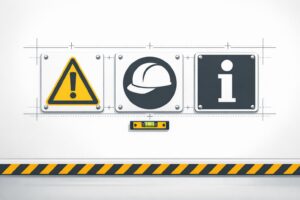
AS 1319 sign types, placement, materials and maintenance for workplace safety and WHS compliance in Australia.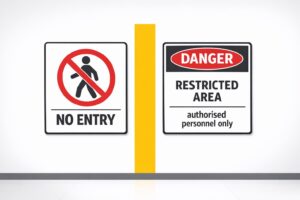
Restricted Area Signs vs. No Entry Signs
Compare No Entry and Restricted Area signs in Australian workplaces — meanings, design differences and AS 1319 compliance.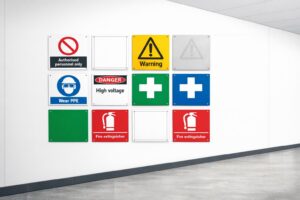
How to Spot Workplace Signage Gaps
Audit your workplace for missing, faded or non‑compliant signs under AS 1319 to reduce incidents and avoid WHS fines.
Symbol Design: Global Standards Explained
Explains ISO 7010 and ISO 3864: standard symbols, colours and sizing for clear, language‑free safety signage and AU compliance.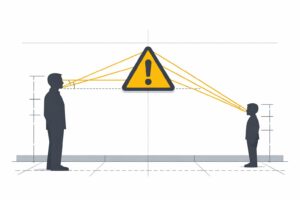
Hazard Sign Visibility Planner
Plan hazard sign placement for max visibility with our free tool. Ensure safety by finding the best spot, height, and angle—try it now!