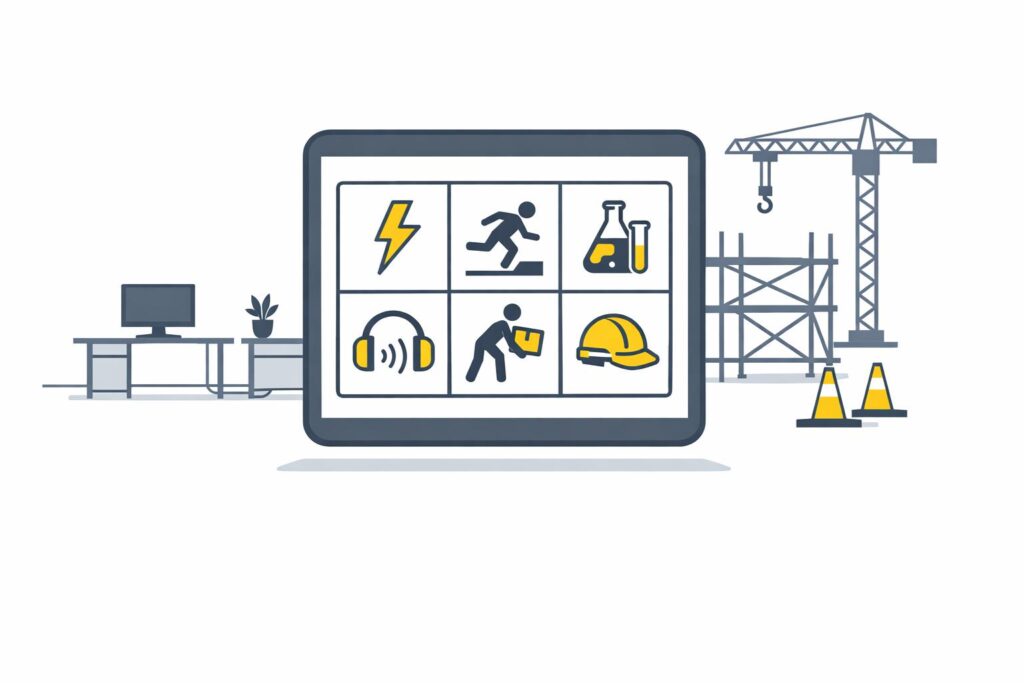
Workplace Hazard Assessment Tool
Ensure Workplace Safety with Our Hazard Assessment Tool
Creating a safe work environment is a top priority for Aussie businesses, whether you’re running an office in Sydney or a construction site in Perth. Identifying potential risks before they become incidents can save lives, reduce injuries, and keep your team productive. That’s where a reliable workplace hazard assessment tool comes in handy—it’s a straightforward way to spot dangers and take action.
Why Hazard Identification Matters
Every workplace, from warehouses to corporate spaces, has unique risks. A cluttered desk might lead to trips, while heavy machinery could pose serious threats if not managed properly. Using a digital safety check tool helps you systematically uncover these issues, aligning with Safe Work Australia standards. It’s not about ticking boxes; it’s about understanding your specific environment and protecting your people.
Tailored Insights for Australian Workplaces
Our occupational risk evaluation system cuts through the guesswork. By inputting details like workplace type and task frequency, you receive a custom report highlighting hazards and offering practical mitigation tips. This isn’t just another generic checklist—it’s built for real-world application across diverse industries Down Under. Take the first step towards a safer workspace today.
FAQs
How does this tool identify workplace hazards?
Our tool uses a database aligned with Safe Work Australia guidelines to match hazards to your specific workplace type and tasks. For instance, if you’re in a warehouse handling machinery daily, it’ll flag risks like equipment malfunctions or inadequate guarding, then assign a risk level based on frequency and severity. It’s not just a generic list—it’s tailored to what you input, so you get relevant insights.
Is this tool suitable for all Australian workplaces?
Pretty much! We’ve designed it to cover a wide range of environments, from offices to construction sites and warehouses. The hazard database pulls from Australian safety standards, so whether you’re dealing with ergonomic issues at a desk or heavy machinery on a site, you’ll get relevant results. If your workplace is super niche, the tool still provides a solid starting point for a safety check.
What do I do with the hazard report?
The report is your roadmap to a safer workplace. It lists potential hazards, rates their risk (low, medium, high), and suggests basic fixes—like adding guardrails or improving signage. Share it with your team or safety officer to start discussions, prioritise actions, and make changes. It’s not a legal document, but it’s a practical way to kick off hazard management.
You may also be interested in
FAQs About Workplace Safety Signs in Australia
AS 1319 sign types, placement, materials and maintenance for workplace safety and WHS compliance in Australia.
Restricted Area Signs vs. No Entry Signs
Compare No Entry and Restricted Area signs in Australian workplaces — meanings, design differences and AS 1319 compliance.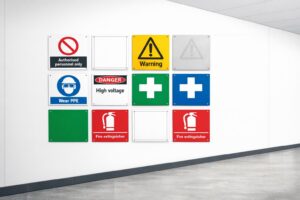
How to Spot Workplace Signage Gaps
Audit your workplace for missing, faded or non‑compliant signs under AS 1319 to reduce incidents and avoid WHS fines.
Symbol Design: Global Standards Explained
Explains ISO 7010 and ISO 3864: standard symbols, colours and sizing for clear, language‑free safety signage and AU compliance.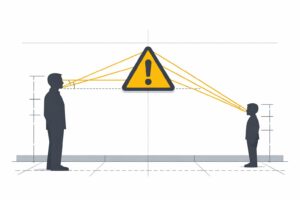
Hazard Sign Visibility Planner
Plan hazard sign placement for max visibility with our free tool. Ensure safety by finding the best spot, height, and angle—try it now!