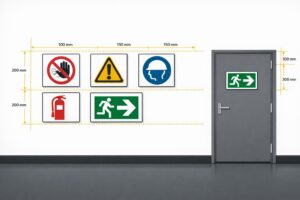
How Often to Update Safety Signs
Safety signs play a key role in keeping workplaces safe by warning about hazards and reducing accidents. In Australia, regulations like the WHS Act 2011 and AS 1319 standards require businesses to ensure signs are clear, legible, and compliant. Ignoring these rules can lead to heavy fines, injuries, or worse. Here’s what you need to know:
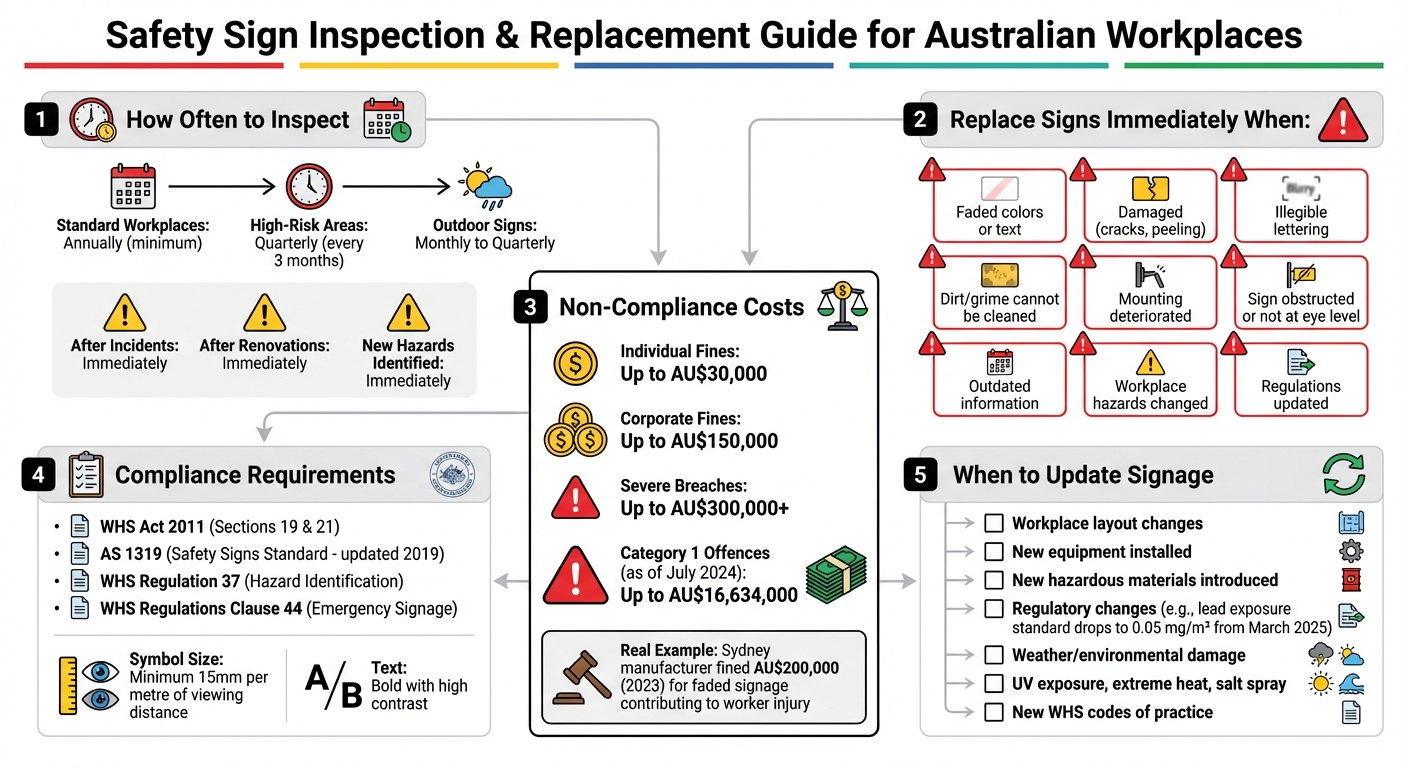
- Inspection Frequency: Check safety signs at least annually. For high-risk areas or outdoor signs, inspect quarterly or monthly.
- When to Replace: Replace immediately if signs are faded, damaged, illegible, or outdated.
- Triggers for Updates: Changes in workplace layout, new equipment, or updated WHS regulations require new signage.
- Legal Risks: Non-compliance can result in fines up to AU$300,000 or more for severe breaches.
Regular inspections, durable materials, and staying updated with WHS standards are key to maintaining effective safety signs and protecting workers.
Safety Sign Inspection and Replacement Schedule for Australian Workplaces
Australian WHS Regulations for Safety Sign Inspections
Australian workplace safety laws focus on managing risks associated with safety signage rather than enforcing strict timelines for inspections. Under the WHS Act 2011 and its associated Regulations, Persons Conducting a Business or Undertaking (PCBUs) are required to ensure safety signage remains clear and effective as part of their duty of care (Sections 19 and 21).
Instead of fixed inspection schedules, the regulations emphasise conducting checks whenever workplace conditions change or when new hazards arise. This approach highlights the importance of regular, risk-based inspections to maintain a safe working environment.
How Often to Inspect Safety Signs
Regular inspections of safety signs are critical for protecting workers and reducing the risk of incidents. At a minimum, safety signs should be inspected annually. For workplaces with high-risk environments or outdoor signage, quarterly or even monthly checks are recommended, as noted by SafeWork NSW, to ensure signs remain legible and properly positioned.
Inspections should also be carried out immediately after workplace incidents, renovations, or the identification of new hazards. When inspecting, it’s important to document the condition of the signs with photos taken from approximately 5 metres away. Keeping these records not only supports compliance with WHS audit requirements but also demonstrates diligence in case of regulatory site visits.
Legal Requirements for Safety Signage
All workplace safety signs in Australia must adhere to Australian Standard AS 1319 (Safety Signs for the Occupational Environment). This standard outlines the required design, colour, shape, and materials for different types of safety signs. The most recent update to the standard was in 2019, and PCBUs are responsible for ensuring their signage meets these current specifications to comply with WHS Regulation 37, which covers hazard identification.
Emergency signage, such as exit signs and first aid indicators, requires particular attention under WHS Regulations Clause 44, which mandates that these signs remain in good condition at all times. Non-compliance can lead to severe penalties, with fines reaching up to AU$30,000 for individuals or AU$150,000 for corporations. For example, in 2023, a Sydney manufacturer faced a AU$200,000 fine from SafeWork NSW after faded signage contributed to a worker injury. This case highlights how seriously regulators view the maintenance of safety signage.
State regulators like WorkSafe Victoria and WorkSafe Queensland enforce these rules through regular audits. In fact, WorkSafe Victoria’s 2024 construction site campaign has specifically targeted illegible signage, issuing fines to operators who fail to meet compliance standards. These enforcement actions underline the critical importance of regular inspections – not just to avoid penalties but to ensure the safety and wellbeing of workers.
sbb-itb-9950c92
Factors That Determine Update Frequency
Quarterly inspections set a good foundation for maintaining safety signs, but various factors may require more frequent updates. Recognising these triggers ensures compliance and keeps your workplace safe.
Workplace Changes and New Hazards
Adjustments to your workplace layout or the introduction of new equipment often call for immediate updates to safety signs. For instance, adding pedestrian crossings, forklifts, or fire safety equipment like hydrants or extinguishers means you need to install corresponding hazard or location signs promptly.
The handling of hazardous materials is another key reason to update signage. If your workplace starts dealing with new chemicals – whether creating, storing, or transporting them – you’ll need to update Hazchem signs or Emergency Information Panels (EIPs). Regulatory changes can also necessitate updates. For example, from March 2025, the lead exposure standard will drop from 0.15 mg/m³ to 0.05 mg/m³, potentially requiring new warning signs in affected areas [1]. Similarly, the upcoming 2024/2025 codes of practice addressing psychosocial risks like bullying and harassment might lead to updates to workplace policy signage.
These changes highlight the importance of regular reviews, which align closely with environmental and regulatory considerations.
Weather and Environmental Damage
Australia’s harsh climate can quickly degrade outdoor safety signs. Prolonged UV exposure, extreme heat, heavy rain, and coastal salt spray can lead to faded colours, cracked materials, or illegible text. Signs in exposed areas should be inspected at least quarterly to ensure they meet AS 1319 standards. If signs are faded, damaged, or dirty, they must be replaced immediately [2].
Changes to WHS Standards
Evolving WHS regulations can make existing signage outdated or non-compliant. Businesses must ensure their signs meet the latest standards. For example, as of 1 July 2024, maximum penalties for Category 1 offences by a body corporate have risen to $16,634,000.00, with annual increases tied to CPI indexation [1].
"Safety sign regulations are one such standard that specify what kind of signs must be used for certain types of warnings… it’s important you keep on top of the changing standards to keep people safe and to comply with the law." – Signsmart [3]
Recent updates, such as the 2021 revision to AS 1742.1, the July 2024 ban on engineered stone, and new industrial manslaughter laws, illustrate how quickly compliance requirements can shift [1][3]. Staying informed about regulatory updates is crucial to keeping your signage compliant and ensuring a safe workplace.
When to Replace Safety Signs Immediately
Some safety signs need to be replaced without delay to ensure worker safety and compliance with WHS regulations. Knowing when to act can help prevent accidents and avoid costly penalties.
Damaged or Faded Signs
A damaged or faded safety sign loses its purpose. If a sign’s colours have faded or its text has become unreadable, it’s time for a replacement. Cracks, peeling, or illegible lettering also render a sign ineffective.
Australian Standard AS 1319 outlines specific visibility requirements for safety signs. For instance, symbols must be at least 15 mm per metre of viewing distance, and text must remain bold with high contrast. Signs that fail to meet these standards due to wear and tear must be replaced. Additionally, if dirt or grime cannot be cleaned off with non-abrasive methods, or if the sign’s mounting has deteriorated – causing it to be obstructed or no longer at eye level – replacement is necessary. Weather damage is another common issue to monitor.
It’s equally critical to ensure that the content of the sign represents current hazards in the workplace.
Outdated or Unclear Messages
Outdated information on safety signs can create confusion about actual risks. For example, AS 1319 differentiates between "Warning" signs, which highlight potential hazards, and "Danger" signs, which indicate immediate threats. Using the wrong type of sign or non-standard symbols can mislead workers and increase the risk of accidents.
Failing to replace outdated signs can have serious legal and financial repercussions. Under Australian WHS laws, approved Codes of Practice can be used in court to show what a business should have reasonably known about a hazard. Outdated signage could suggest a failure to implement proper safety measures, leaving businesses open to prosecution.
"Safety signs in Australia are an imperative component in keeping people safe, and can create the difference between a safe workplace and a dangerous one." – Signsmart [3]
Signs should be updated immediately when regulations change, new hazards emerge, or workplace conditions shift. This includes updates to Hazchem signs, Emergency Information Panels, and notices addressing psychosocial hazards.
How to Maintain Safety Signs Properly
Keeping safety signs in good condition is crucial for workplace safety and compliance with WHS standards. Regular checks can spot signs of wear or potential risks before they lead to incidents.
Setting Up a Regular Inspection Schedule
Routine inspections play a vital role in maintaining safety signs. For most office settings, conducting safety audits at least once a year is recommended [4]. In higher-risk industries like construction or manufacturing, inspections should happen more frequently – every six months or even quarterly [4].
It’s also essential to review signs after any workplace changes, such as new equipment installations, layout adjustments, or the introduction of new hazards. During these inspections, check that the signs are still readable, securely fixed, and compliant with current regulations.
"Consistent checks are a core part of proactive workplace risk management. They help you identify potential hazards before they cause an incident." – Altius [4]
Keep a record of these inspections, noting the dates, observations, and any actions taken. This documentation provides a clear audit trail and supports WHS compliance.
Choosing Durable Sign Materials
Regular inspections are only part of the solution. Selecting sturdy materials for your safety signs ensures they remain effective over time, especially in environments exposed to harsh weather or industrial conditions [3]. Materials like UV-protected, outdoor-grade aluminium with a protective film are ideal for resisting weather damage while maintaining the visibility and contrast required by AS 1319:2004.
Working with Trusted Sign Suppliers
Another key to maintaining safety signs is partnering with reliable suppliers. Companies like PXP Safety produce signs specifically designed for Australian conditions, using durable aluminium bases, solvent outdoor printing, and UV protective films. This ensures long-lasting performance and compliance with AS 1319:2004 [3].
Trusted suppliers also provide expertise in meeting technical requirements for various sign types. From Hazchem panels to signs addressing psychosocial hazards, they can help you avoid costly mistakes, such as using the wrong sign type or failing to meet formatting standards for Emergency Information Panels. These practices, combined with regular updates and maintenance, contribute to a safer workplace environment.
Conclusion
Keeping safety signs up-to-date isn’t just about meeting compliance requirements – it’s about fostering a workplace where hazards are clearly identified, and risks are minimised. Conducting regular inspections ensures your signage aligns with AS 1319:2004 and the WHS Act, safeguarding both employees and visitors [3].
The effectiveness of safety signage often hinges on its visibility and accuracy. Faded or damaged signs can obscure critical warnings, potentially leading to confusion or accidents [3]. Choosing durable, weather-resistant materials helps ensure that signs remain clear and easy to read over time. These factors are essential components of a reliable safety system.
Make it a priority to document inspections, replace damaged signage promptly, and update signs whenever workplace conditions change. For businesses managing hazardous chemicals, accurate placards and manifests are not just good practice – they’re mandatory under WHS Regulations and could be lifesaving in emergencies [5]. By embedding these measures into your safety protocols, you create a safer, more compliant workplace.
FAQs
What’s the best way to set a risk-based sign inspection schedule?
To establish a risk-based inspection schedule, start by evaluating the potential hazards and risks associated with each sign and the specific workplace environment. Focus on high-risk areas, scheduling more frequent inspections where the dangers are greater. Regularly check that signs remain visible, easy to read, and meet Australian standards such as AS 1319-1994. It’s essential to document all inspections and promptly update or replace any signs to maintain safety and compliance over time.
How do I know if a safety sign still meets AS 1319 requirements?
To ensure a safety sign aligns with AS 1319, it’s important to carry out regular audits and inspections. Make sure the sign remains clearly visible, easy to read, and continues to meet Australian standards. Maintain thorough records of these evaluations to monitor compliance over time.
What records should I keep to prove safety sign compliance in a WHS audit?
Maintaining detailed records of safety sign inspections, maintenance tasks, and any corrective actions is crucial. These records not only help you stay organised but also serve as proof of compliance during a WHS audit. Proper documentation ensures your workplace continues to meet required safety standards, keeping everyone safe and your processes accountable.
Related Blog Posts
You may also be interested in
FAQs About Workplace Safety Signs in Australia
AS 1319 sign types, placement, materials and maintenance for workplace safety and WHS compliance in Australia.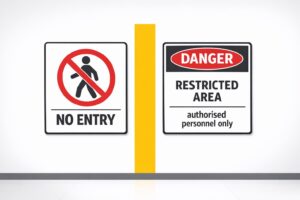
Restricted Area Signs vs. No Entry Signs
Compare No Entry and Restricted Area signs in Australian workplaces — meanings, design differences and AS 1319 compliance.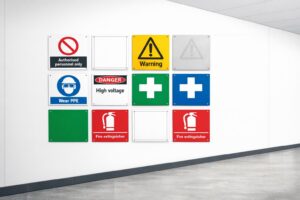
How to Spot Workplace Signage Gaps
Audit your workplace for missing, faded or non‑compliant signs under AS 1319 to reduce incidents and avoid WHS fines.
Symbol Design: Global Standards Explained
Explains ISO 7010 and ISO 3864: standard symbols, colours and sizing for clear, language‑free safety signage and AU compliance.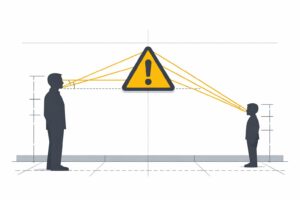
Hazard Sign Visibility Planner
Plan hazard sign placement for max visibility with our free tool. Ensure safety by finding the best spot, height, and angle—try it now!