Mandatory Safety Signs by Industry in Australia
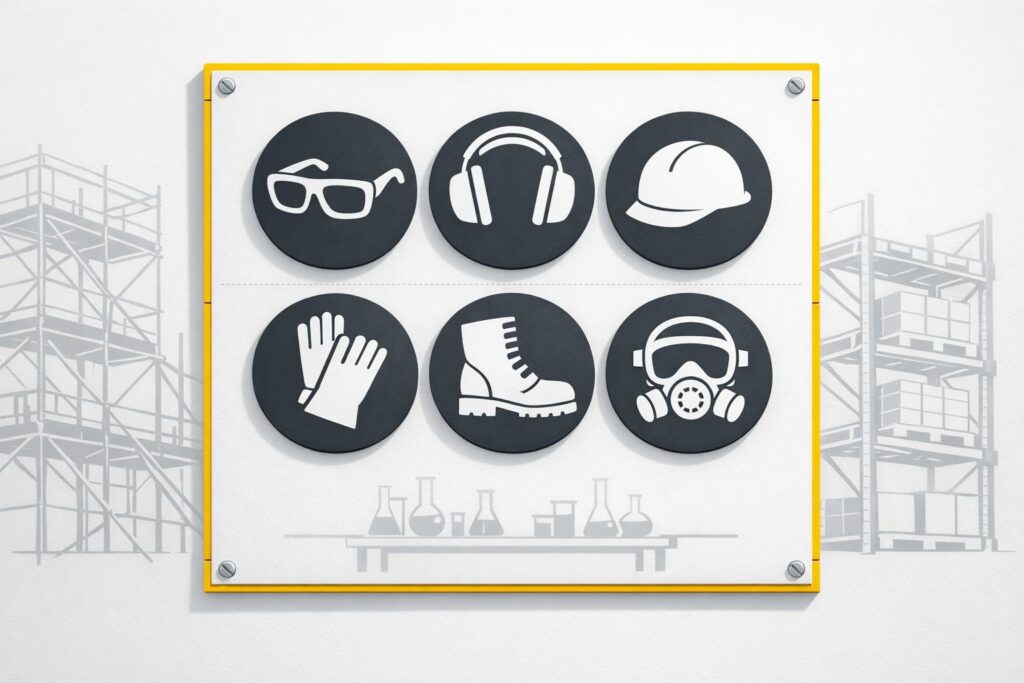
Essential safety signs are critical for workplace safety in Australia. These blue circular signs, as defined by the AS 1319-1994 standard, indicate required safety actions like wearing protective gear. Each industry tailors these signs to its specific risks, ensuring compliance and worker protection. Here’s what you need to know:
- Design: Blue background with white symbols; text must be bold and readable.
- Legal Compliance: While AS 1319-1994 is voluntary, it becomes mandatory when referenced in workplace safety laws.
- Industry-Specific Uses:
- Construction: Helmets, safety boots, high-vis vests.
- Manufacturing: Ear, hand, and respiratory protection.
- Warehousing: Safety boots, high-vis vests, hand protection.
- Mining: Respiratory and eye protection.
- Laboratories: Goggles, gloves, and respiratory gear.
Proper placement (1,500 mm height) and regular maintenance are essential for effectiveness. Non-compliance can lead to legal penalties and increased workplace incidents.
For durable, compliant solutions, materials like UV-resistant aluminium ensure longevity, even in harsh Australian conditions. Customisation options allow businesses to address specific hazards effectively.
Safety Signs in Australia
sbb-itb-9950c92
Industry-Specific Mandatory Safety Signs
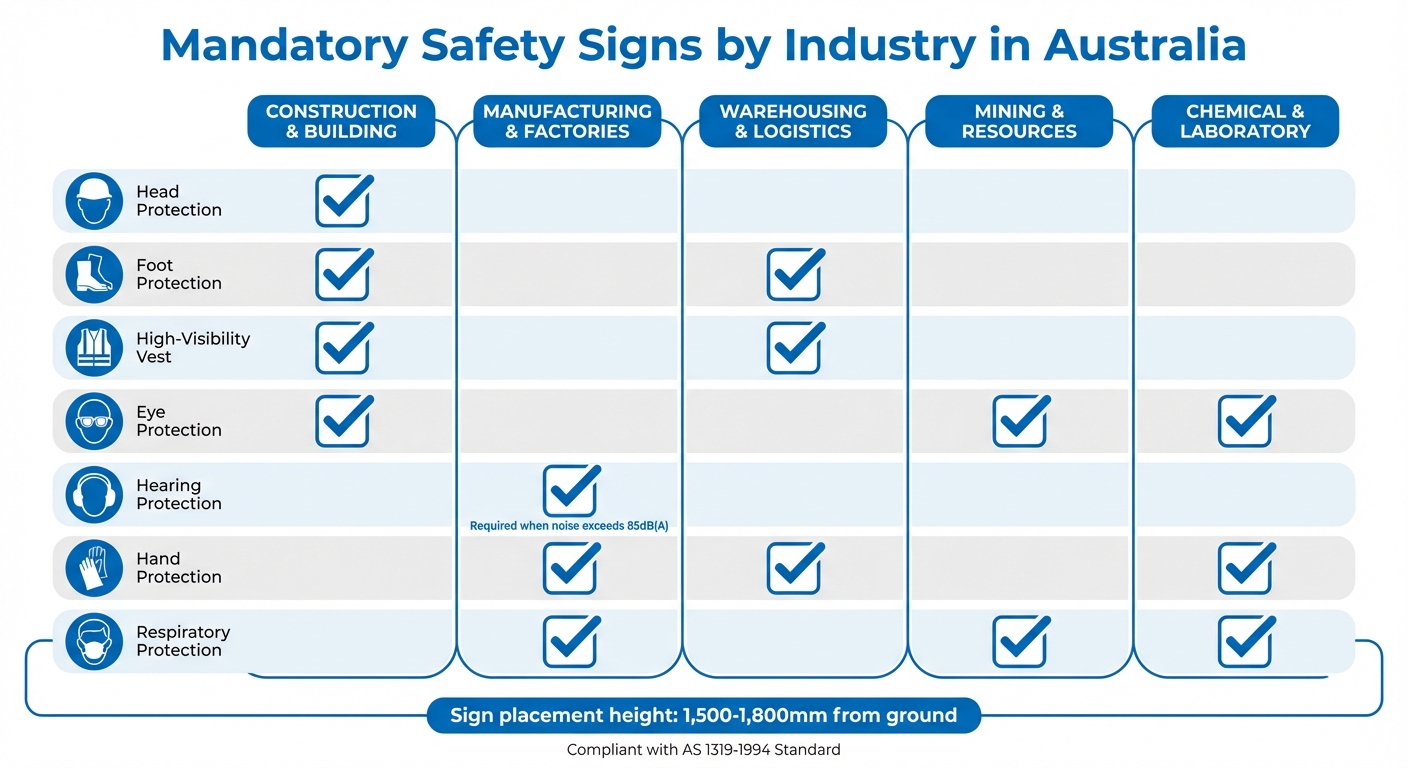
Mandatory Safety Signs by Industry in Australia – PPE Requirements Guide
Each industry has its own set of risks, which means safety signage must be tailored to meet the requirements of AS 1319-1994. These signs not only ensure compliance but also help workers stay informed about the necessary personal protective equipment (PPE) to use, keeping everyone safer on site.
Construction and Building Sites
Construction sites are full of potential hazards, including falling objects, heavy machinery, and elevated work areas. To address these risks, AS 1319-1994 mandates specific signage:
- Head protection signs: A white safety helmet in a blue circle is used in areas with overhead dangers.
- Foot protection signs: A blue circular sign with a white safety boot symbol helps prevent crushing injuries.
- High-visibility vest signs: These are critical for areas with moving equipment or vehicles, especially in low-light conditions.
- Eye protection signs: Required where cutting, grinding, or welding occurs.
It’s a good idea to install a single multi-message board at the site entrance to display all required PPE. Mount signs at eye level (around 1,500–1,800 mm from the ground) for maximum visibility. In outdoor environments, using UV-stabilised materials like Colorbond steel or heavy-duty polypropylene ensures durability. Regular monthly inspections can help keep signs free from dust, debris, or obstructions.
Manufacturing and Factories
Manufacturing facilities often involve machinery, noise, and hazardous chemicals, which means specific signage is vital under AS 1319-1994:
- Hearing protection signs: Depicting white earmuffs in a blue circle, these are essential in areas where noise exceeds 85dB(A), such as near compressors or loud machinery.
- Hand protection signs: A white glove in a blue circle indicates the need for gloves near sharp-edged machinery or hazardous substances.
- Respiratory protection signs: These are crucial in zones with airborne chemicals, dust, or fumes, such as spray painting booths.
Place these signs at hazard zone entrances to ensure they are easily seen. For low-light settings or around-the-clock operations, retroreflective or high-visibility materials improve readability. Signs intended to be read from 10–15 metres should feature symbols no smaller than 120 mm, as specified by AS 1319-1994.
Warehousing and Logistics
Warehouses share many risks with construction and manufacturing but also face unique challenges like pallet handling and falling stock. Key signage includes:
- Foot protection signs: Indicating the need for safety boots in areas where heavy pallets or machinery are present.
- High-visibility vest signs: Necessary in shared zones where workers and vehicles interact.
- Hand protection signs: Important in areas where sharp-edged goods or material handling equipment are used.
These signs should be placed at entrances and along boundaries of hazardous zones to ensure visibility and compliance.
Mining and Resources
Mining sites are inherently hazardous, requiring stringent signage under AS 1319-1994:
- Respiratory protection signs: Essential in underground operations or areas with dust and chemical vapours.
- Eye protection signs: Needed in drilling zones or where flying rock fragments pose risks.
Given the harsh outdoor conditions often found in mining, UV-resistant materials are a must. Regular replacement schedules should also be followed to keep signs effective.
Chemical and Laboratory Settings
Laboratories and chemical handling areas require highly specific signage due to the nature of their work. According to AS 1319-1994:
- Eye protection signs: Featuring safety goggles, these should be displayed near areas prone to chemical splashes or exposure.
- Respiratory protection signs: Necessary in fume cupboard areas or where volatile chemicals pose airborne risks.
- Hand protection signs: Positioned at zone entrances to remind workers to use gloves when handling hazardous substances.
These signs ensure workers are properly equipped before entering areas with potential chemical dangers, reducing the risk of accidents and exposure.
Installing and Maintaining Safety Signs
Sign Placement and Visibility
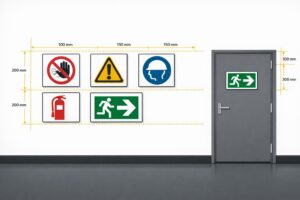
Where you place safety signs can make all the difference in whether workers notice and act on critical safety information. According to AS 1319-1994, signs should be installed at a height of 1,500 mm from the floor – right at eye level – so they naturally fall within a worker’s line of sight. Positioning signs at entry points to hazardous areas or along the direct path to potential dangers ensures they’re seen before workers are exposed to risks. It’s equally important to ensure signs are not hidden by equipment, pallets, or other obstructions and that they visually stand out from their background. Once installed, maintaining their visibility and condition is just as important as their placement.
Sign Maintenance and Replacement
To stay compliant with AS 1319-1994 and avoid confusion, safety signs need to remain clear and easy to read. Regular cleaning is essential to remove dust, grime, or chemical residues that can obscure messages. Signs that are faded, cracked, or peeling should be replaced immediately to maintain their effectiveness. For outdoor environments exposed to high UV levels, harsh weather, or chemicals, using U3-tested materials can help prevent early wear and tear. Equally, it’s critical to remove signs when the related hazard no longer exists – outdated signs can lead to dangerous misinformation. Routine inspections are essential to check for damage, ensure signs remain visible, and confirm they’re still relevant to the workplace’s current hazards. This proactive approach keeps your signage programme effective and compliant.
PXP Safety Mandatory Sign Solutions
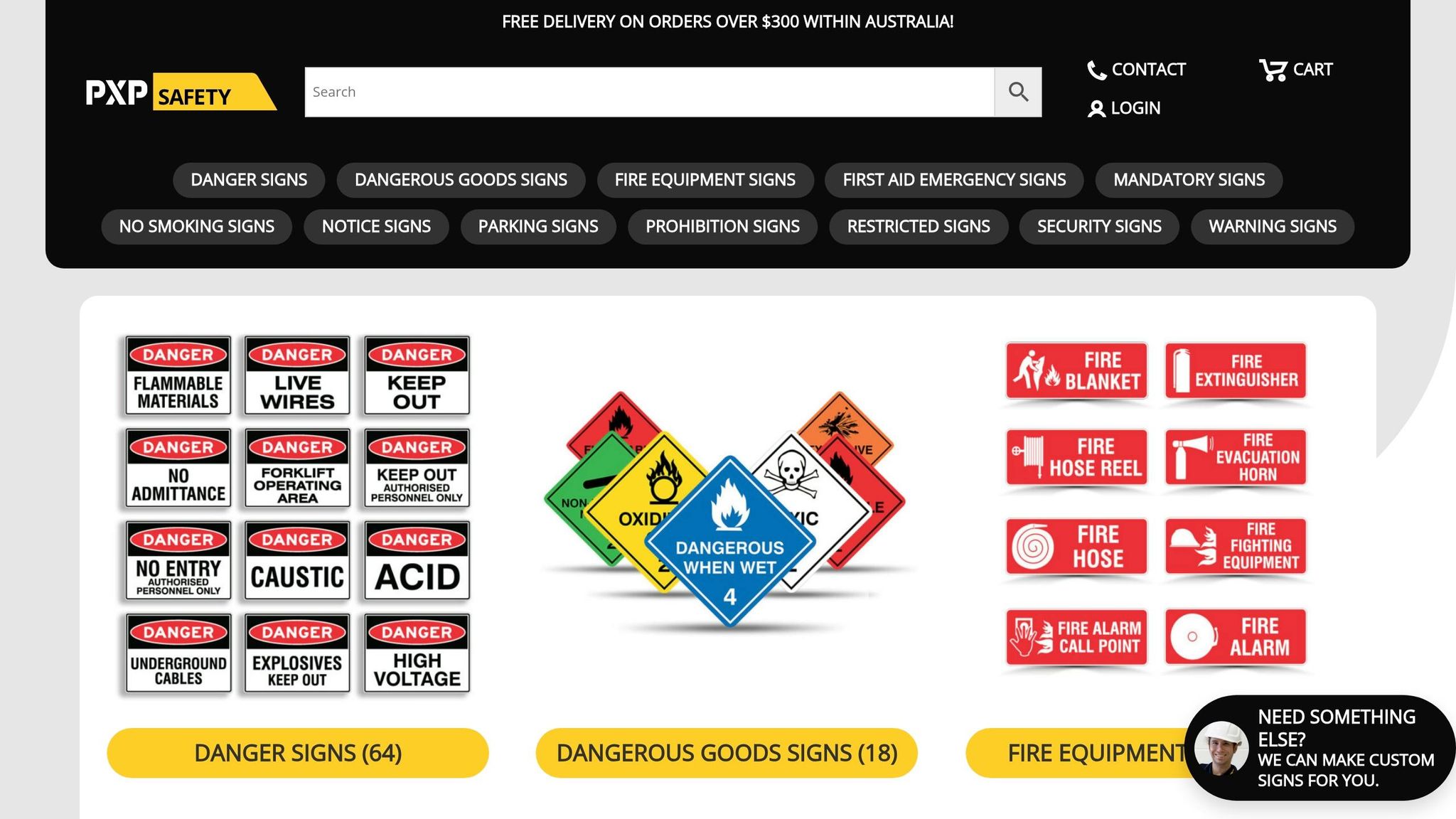
PXP Safety builds on compliance essentials by delivering tailored solutions that address specific industry challenges.
PXP Safety Sign Features
PXP Safety signs are designed to thrive in Australia’s demanding conditions, including intense UV exposure, dust, and vibration. Each sign is built on a durable aluminium base, making it resistant to corrosion, impact, and extreme weather. These features make them suitable for outdoor and high-traffic areas. With a temperature tolerance ranging from 0°C to 45°C, these signs maintain their integrity for 5–10 years with minimal fading, all while meeting AS 1319-1994 standards for workplace safety compliance [2].
UV-resistant laminates and inks are a key feature, especially in Australian workplaces where summer UV indexes often hit levels between 10 and 14. These protective layers prevent colour fading and yellowing. Testing shows less than 5% colour loss after two years of sun exposure, ensuring the signs stay highly visible and compliant [2]. The outdoor-grade printing employs high-resolution digital methods with long-lasting inks, ensuring that pictograms and text remain sharp and readable from distances of 5–20 metres, even after exposure to rain, dust, and chemicals [2].
Real-world examples highlight their durability. A Sydney factory cut replacement costs by 40% over three years by switching to these signs, while a Perth mining company saw a 25% reduction in incidents due to the improved visibility of custom UV-protected signs [2]. PXP Safety explains:
Our safety signs start with a robust base… We use tough aluminium, which is lightweight and corrosion-resistant, even in the rainiest weather! [1]
Custom Sign Options
In addition to their standard solutions, PXP Safety provides customisation options to tackle unique workplace hazards. While their catalogue includes 57 standard mandatory signs, they also offer full customisation, allowing businesses to design signs tailored to their specific needs. Custom options include bespoke text, colours, and sizes ranging from 300×450 mm to 900×1200 mm, all crafted to comply with AS 1319-1994 standards [2]. This includes uploading logos or creating site-specific messages like "Mandatory Hi-Vis Clothing" for logistics hubs or "Mandatory Hearing Protection" for Queensland mines, complete with unique ear protection icons [2].
The customisation process is simple: upload your design online or consult via phone or email, approve the proof within 24 hours, and production is completed in 3–5 business days for standard custom orders. For urgent needs, express options deliver within 48 hours. Prices start at AU$50 for smaller signs, scaling based on size and quantity, with delivery available across Australia [2]. Signs are offered in rigid aluminium for permanent installations or adhesive versions for quick application on smooth surfaces [1].
Conclusion
Mandatory safety signs do more than tick a regulatory box – they play a crucial role in protecting workers and reducing workplace incidents across Australian industries. With workplace injuries costing businesses over AU$60 billion annually, effective signage can cut incidents by up to 30% in high-risk environments [4]. Following the AS 1319-1994 standard not only helps prevent accidents and legal issues but also promotes a strong safety culture.
The financial consequences of non-compliance are steep. For instance, 15% of WHS fines issued by Safe Work Australia in 2022–2023 stemmed from non-compliance, amounting to AU$25 million in penalties [5]. On the other hand, industries adhering to AS 1319 standards report 25% fewer safety violations during audits [6]. This highlights how investing in proper signage can reduce fines, minimise disruptions, and improve overall operational efficiency.
Given the financial and safety stakes, choosing the right signage is essential. Signs must endure Australia’s intense UV exposure, dust, and extreme weather while remaining highly visible and readable. UV-protected aluminium, for example, offers durability for demanding environments, whether on Perth’s mining sites or in Sydney’s industrial facilities.
PXP Safety meets these demands with AS 1319-1994 compliant signs crafted from UV-resistant aluminium and outdoor-grade printing, designed to last 5–10 years. This ensures businesses can manage both operational risks and financial penalties effectively. Options include standard and custom signs, tailored to address specific hazards while meeting regulatory requirements and bolstering workplace safety.
To implement these measures, start with a site audit to identify hazards, select appropriate signs, and install them at an optimal height of 1.6–2 metres for visibility. Conducting regular inspections every six months ensures the signs remain compliant and effective, helping businesses achieve 100% audit pass rates and maintain a safer environment for all [3].
FAQs
When is AS 1319-1994 legally required in Australia?
AS 1319-1994 is the Australian Standard that outlines the requirements for designing and using safety signs in workplaces. This standard ensures that safety signs are used to regulate behaviour, warn about hazards, and provide emergency information effectively. Adhering to this standard is not just about maintaining workplace safety – it’s also a legal obligation in Australia. Compliance helps businesses meet both safety regulations and legal requirements, ensuring a safer environment for everyone.
How do I choose the right mandatory PPE signs for my site?
To choose the appropriate mandatory PPE signs, start by identifying the exact protective equipment needed for high-risk zones or tasks at your workplace. Make sure the signs adhere to Australian Standard AS 1319-1994 and clearly indicate the required items, such as hard hats, safety boots, or high-visibility clothing. Opt for signs that are durable, UV-resistant, and easy to spot, ensuring they remain effective in promoting safety and compliance.
How often should mandatory safety signs be inspected or replaced?
Mandatory safety signs need regular inspections to ensure they are in good condition and comply with Australian workplace safety standards. If signs become damaged, faded, or outdated, they should be promptly replaced to maintain their visibility and legibility. This helps keep the workplace safe and ensures compliance with relevant regulations.
Related Blog Posts
You may also be interested in
FAQs About Workplace Safety Signs in Australia
AS 1319 sign types, placement, materials and maintenance for workplace safety and WHS compliance in Australia.
Restricted Area Signs vs. No Entry Signs
Compare No Entry and Restricted Area signs in Australian workplaces — meanings, design differences and AS 1319 compliance.
How to Spot Workplace Signage Gaps
Audit your workplace for missing, faded or non‑compliant signs under AS 1319 to reduce incidents and avoid WHS fines.
Symbol Design: Global Standards Explained
Explains ISO 7010 and ISO 3864: standard symbols, colours and sizing for clear, language‑free safety signage and AU compliance.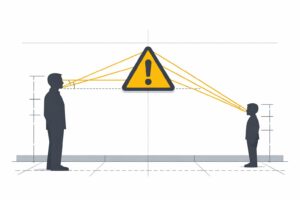
Hazard Sign Visibility Planner
Plan hazard sign placement for max visibility with our free tool. Ensure safety by finding the best spot, height, and angle—try it now!