Staff-Only Signs: Compliance Standards
Staff-only signs are essential in Australian workplaces, especially in healthcare. They help control access to restricted areas, ensuring safety, privacy, and data security. These signs must comply with AS 1319-1994 and Work Health and Safety (WHS) regulations, which outline design, legibility, and placement standards. Proper materials, routine inspections, and compliance with additional healthcare-specific requirements, such as tactile and Braille elements under AS 1428.1, are necessary for maintaining effectiveness. Durable materials like UV-coated aluminium are recommended for Australian conditions to ensure longevity and adherence to safety standards.
AS 1319-1994: Australian Standard for Safety Signs
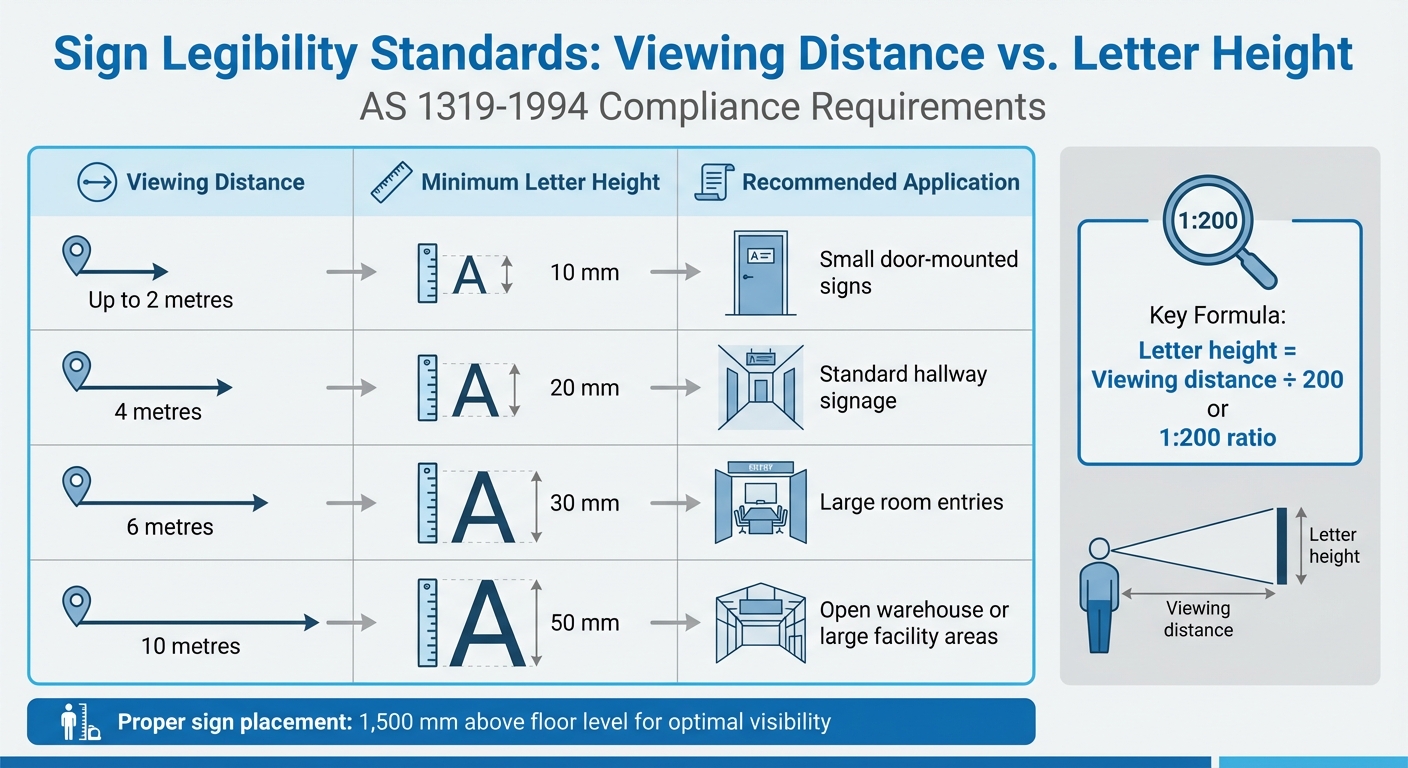
Staff-Only Sign Viewing Distance and Letter Height Requirements Chart
AS 1319-1994 establishes a standardised framework for workplace safety signage, including staff-only signs. This system ensures that safety messages are easily understood, regardless of an individual’s language or literacy level. According to Standards Australia:
"The objective of this Standard is to provide a system of safety signs for the occupational environment which will be as uniform as possible." [2]
The standard not only explains the correct use of symbols but also provides detailed design specifications. Depending on whether a staff-only sign is intended for safety-critical purposes or general organisational use, AS 1319-1994 prescribes specific formats. For instance, if the sign is meant to restrict unauthorised access for safety or security reasons, it must feature the prohibition format: a red circle with a diagonal slash over a white background, accompanied by black text or symbols. On the other hand, signs used for general purposes, such as labelling a staff breakroom, should have a blue rectangular background with white lettering.
Design and Format Requirements
AS 1319-1994 outlines clear rules for colours and shapes to ensure quick recognition. Prohibition signs use a red circle with a diagonal slash on a white background, specifically for high-risk areas like "No Entry – Staff Only" zones. General information signs, by contrast, typically feature a blue or green rectangular background for everyday notices.
Typography plays a key role in legibility. The standard recommends sans-serif fonts such as Helvetica or Arial to enhance readability. High-contrast colour schemes, like white text on a blue background or black text on a white background, further improve visibility in various lighting conditions.
Legibility and Visibility Standards
To ensure signs are visible from different distances, AS 1319-1994 specifies a legibility ratio: the letter height should be at least 1/200th of the intended viewing distance. For example, a sign meant to be read from 10 metres away should have letters at least 50 millimetres tall.
| Viewing Distance | Minimum Letter Height | Recommended Application |
|---|---|---|
| Up to 2 metres | 10 mm | Small door-mounted signs |
| 4 metres | 20 mm | Standard hallway signage |
| 6 metres | 30 mm | Large room entries |
| 10 metres | 50 mm | Open warehouse or large facility areas |
Correct placement is just as important as design. Signs should generally be mounted about 1,500 mm above the floor to align with the natural line of sight. In healthcare settings, take care to avoid obstructions such as open doors, mobile equipment, or privacy curtains. For areas with low lighting, using retroreflective materials or semi-gloss finishes can help maintain readability by reducing glare from overhead lights.
sbb-itb-9950c92
Compliance Standards for Healthcare and Medical Facilities
Healthcare facilities, guided by the AS 1319-1994 standards, must go above and beyond universal design principles to ensure safety and compliance. These settings demand stricter protocols for signage placement and maintenance, particularly to manage access to sensitive areas. A clear distinction exists between "Staff Only" and "Authorised Personnel Only" zones. For example, a staff breakroom might only need a "Staff Only" sign, while areas like operating theatres or pathology labs require "Authorised Personnel Only" signage. This ensures that even regular staff members need specific training or clearance to access such spaces.
"A restricted area authorised personnel only sign serves a critical dual purpose: it controls access to hazardous or sensitive zones while protecting both your business and your people from preventable incidents." – Doug Lindqvist, General Manager at Pinnacle Signage [1]
Where to Place Staff-Only Signs
Proper placement of prohibition signs is essential for safety and clarity. These signs should be mounted directly on doors or at entry points to restricted areas like operating theatres, medication storage rooms, and staff offices. In patient wards, signs such as "Staff Only Beyond This Point" help delineate public areas from staff-only zones.
Signage for biological hazards is equally critical. Laboratories, waste disposal units, and pathology areas should display signs like "Caution BioHazard Authorised Personnel Only" to warn of potential pathogen risks. For areas with life-threatening hazards – such as high-voltage plant rooms or radiation zones – use "DANGER" signs with red headers in black ovals. In contrast, yellow triangle warning signs are suitable for less severe risks, like slippery floors or general biohazard zones.
Selecting the right signal word is crucial to convey the level of risk effectively:
- "DANGER" (red headers): For life-threatening hazards.
- "WARNING": For risks of serious injury.
- "CAUTION": For moderate risks.
- "NOTICE": For general restrictions.
Once installed, all signage must be regularly inspected and maintained to ensure its effectiveness.
Regular Inspections and Updates
Routine audits are vital to keep signage legible, relevant, and compliant. Environmental factors like exposure to harsh cleaning chemicals or high foot traffic can damage even durable aluminium signs, making regular checks essential.
"Regular audits confirm legibility, relevance, and proper placement, reinforcing safety compliance." – Doug Lindqvist [1]
During inspections, ensure that signs are mounted at standard heights and remain unobstructed by equipment, mobile carts, or privacy curtains. Changes in the facility layout, such as repurposing a storage room into a consultation area, may also require updates to signage. Neglecting to maintain accurate and visible signage can lead to safety breaches and hefty fines under Australian WHS laws.
Materials and Design for Long-Lasting Signs
Materials Suited to Australian Conditions
Australia’s demanding climate calls for signage materials that can withstand UV exposure, temperature swings, and high humidity. Aluminium signs coated with UV-protective film are a reliable option, particularly in healthcare settings, where durability is a must. These materials offer a sturdier choice compared to plastic, especially in outdoor or high-traffic areas, ensuring compliance with safety standards.
For signs exposed to the outdoors or harsh cleaning chemicals, outdoor-grade printing combined with protective laminates ensures the text and graphics stay clear over time. Without proper UV resistance, signs can fade under direct sunlight, potentially breaching AS 1319-1994 standards for legibility. Indoors, high-traffic areas like hospital corridors benefit from scratch-resistant coatings, which keep the signage readable despite frequent contact from equipment or trolleys.
These features are essential for creating signs that not only last but also meet the specific needs of various environments.
Custom Signs for Specific Requirements
Facilities often face unique challenges, such as complex layouts or the need for bilingual signage. Customised signs can address these requirements while still adhering to AS 1319-1994 standards. For example, bilingual signs or those displaying multiple safety messages must use standardised symbols and colour codes to ensure clarity and compliance.
When designing custom signs, it’s crucial to prioritise recognisable symbols and proper colour coding. Prohibition signs, for instance, use red circles with slashes, while mandatory instructions are highlighted in blue. These design elements ensure instant recognition and maintain compliance with Australian safety standards, even when tailored to specific departmental or access control needs.
PXP Safety: Compliant Staff-Only Signs
Product Features and Construction
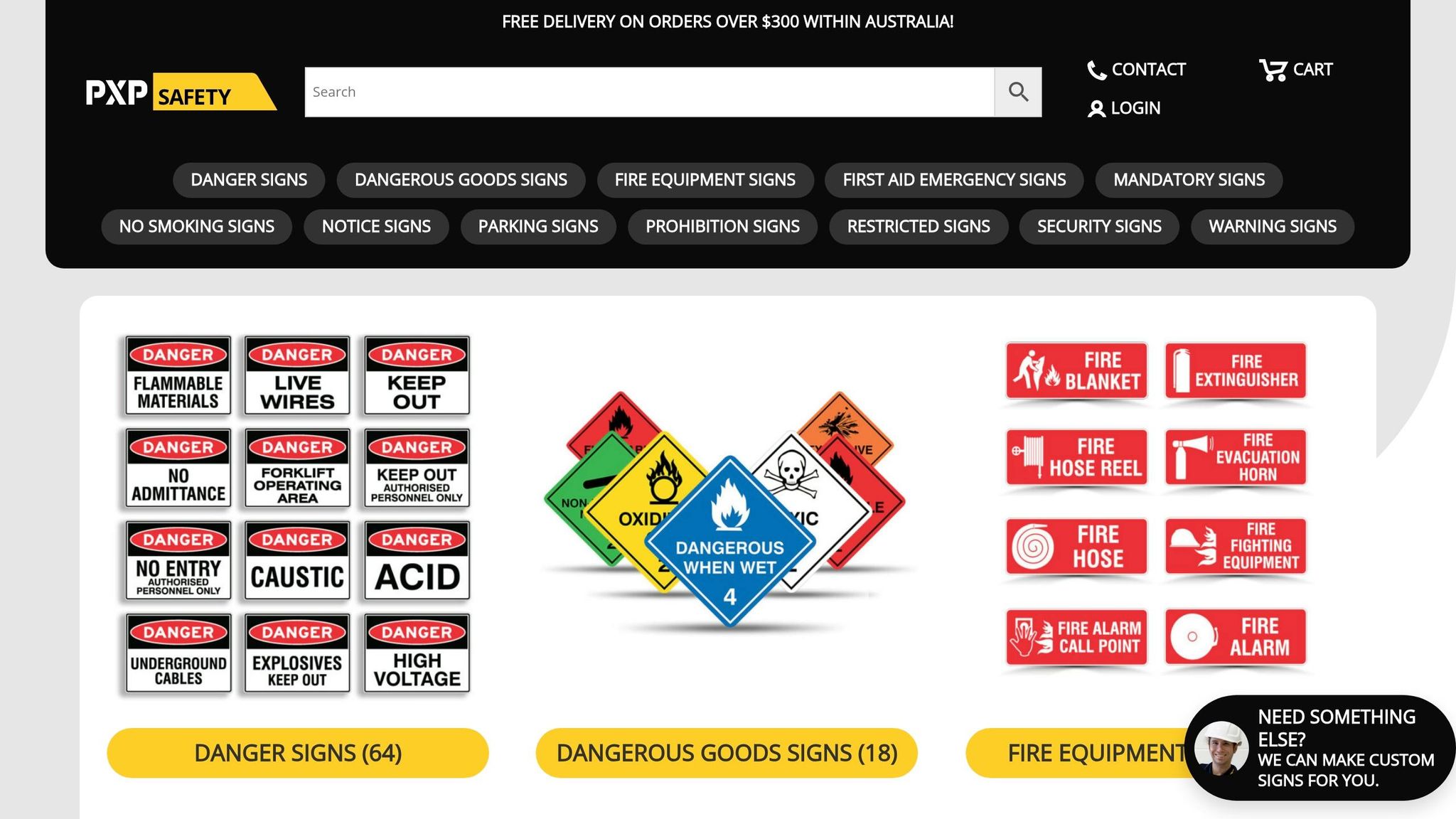
PXP Safety manufactures sturdy aluminium signs designed to handle tough Australian conditions. These signs are coated with a UV-protective film to maintain their clarity and durability, and they meet the standards outlined in AS 1319-1994. The outdoor-grade printing ensures that both text and symbols remain sharp and readable, even under intense sunlight. The signs use a red circle with a diagonal slash to indicate prohibition and a blue circle for mandatory instructions, adhering to the AS 1319-1994 guidelines. Symbol heights and text sizes are carefully designed to comply with visibility standards: symbols must be at least 15 mm tall per metre of viewing distance, while uppercase and lowercase text must measure 5 mm and 4 mm per metre, respectively [3].
To enhance their lifespan, the signs come with protective lamination and anti-graffiti coatings, making them suitable for high-traffic areas like hospital corridors and clinical zones. For facilities requiring better visibility in dimly lit areas, reflective finishes are available, ensuring the signs can be easily identified during emergencies. Additionally, orders exceeding $600.00 AUD qualify for free shipping across Australia. These features make PXP Safety signs a reliable choice for healthcare environments where compliance and durability are critical.
Custom Sign Services for Healthcare
Alongside their essential safety signs, PXP Safety provides custom sign solutions tailored to the specific needs of healthcare facilities. For sites with unique access control challenges, their custom design service ensures all signage remains fully compliant with AS 1319 standards. Whether it’s bilingual signs or department-specific instructions, the design process ensures that customised signs maintain the required colours, shapes, and text specifications.
This service is especially useful for complex layouts, such as multi-level hospitals or aged care centres with specialised zones, where standard signs might not be sufficient. Each custom sign features bold, high-contrast text and universally recognised symbols to ensure clear communication for staff, visitors, and emergency personnel. By addressing these needs, PXP Safety helps facilities meet their Workplace Health and Safety responsibilities as outlined by Safe Work Australia regulations. Their products and custom solutions work together to create a safer and more compliant healthcare environment.
Conclusion
Staff-only signs play a crucial role in securing restricted areas within Australian healthcare facilities by adhering to legal and safety standards. Compliance with AS 1319-1994 ensures these signs are immediately recognisable, which is especially important in the fast-paced environment of medical settings. As noted by Standards Australia:
"This Standard sets out the requirements for the design and use of safety signs intended for use in the occupational environment to prevent accidents, transmit health information and indicate the location of safety hazards" [2].
In addition to meeting these standards, proper signage aligns with Australian WHS laws, helping to minimise liability and protect high-risk zones. The standard’s focus on legibility requires that the size of symbols and lettering is proportionate to the viewing distance, ensuring the signs remain functional and effective in busy clinical environments.
To maintain compliance, regular audits are essential. Signs should always be legible, free from obstructions, and replaced if they become weathered or damaged. Opting for durable materials that can withstand frequent cleaning and disinfection ensures the signs remain in good condition over time.
FAQs
When should a staff-only sign be a prohibition sign?
A staff-only sign should be classified as a prohibition sign when it restricts access to unauthorised individuals. For example, messages like "No Entry Unless Accompanied by a Staff Member" clearly convey this restriction. These signs play a crucial role in controlling access and ensuring safety, particularly in Australian workplaces such as healthcare and medical facilities.
Do staff-only signs need Braille or tactile text in hospitals?
Yes, in Australian hospitals, staff-only signs are required to include Braille or tactile text to align with accessibility standards. This requirement is outlined in Specification D3.6 of the National Construction Code (NCC), which ensures signage meets accessibility compliance.
How often should staff-only signs be inspected or replaced?
Staff-only signs need routine checks and timely replacement to stay clear, readable, and in line with Australian safety standards. How often you inspect these signs will depend on factors like the workplace environment and the materials used for the signage. Keeping signs well-maintained ensures they continue to meet safety regulations and workplace needs effectively.
Related Blog Posts
You may also be interested in
FAQs About Workplace Safety Signs in Australia
AS 1319 sign types, placement, materials and maintenance for workplace safety and WHS compliance in Australia.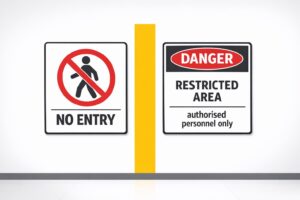
Restricted Area Signs vs. No Entry Signs
Compare No Entry and Restricted Area signs in Australian workplaces — meanings, design differences and AS 1319 compliance.
How to Spot Workplace Signage Gaps
Audit your workplace for missing, faded or non‑compliant signs under AS 1319 to reduce incidents and avoid WHS fines.
Symbol Design: Global Standards Explained
Explains ISO 7010 and ISO 3864: standard symbols, colours and sizing for clear, language‑free safety signage and AU compliance.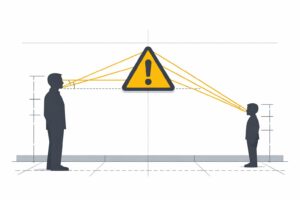
Hazard Sign Visibility Planner
Plan hazard sign placement for max visibility with our free tool. Ensure safety by finding the best spot, height, and angle—try it now!