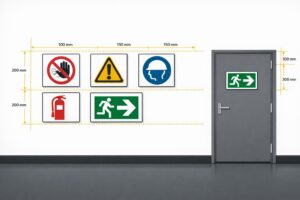
How to Choose Prohibited Activities Signs
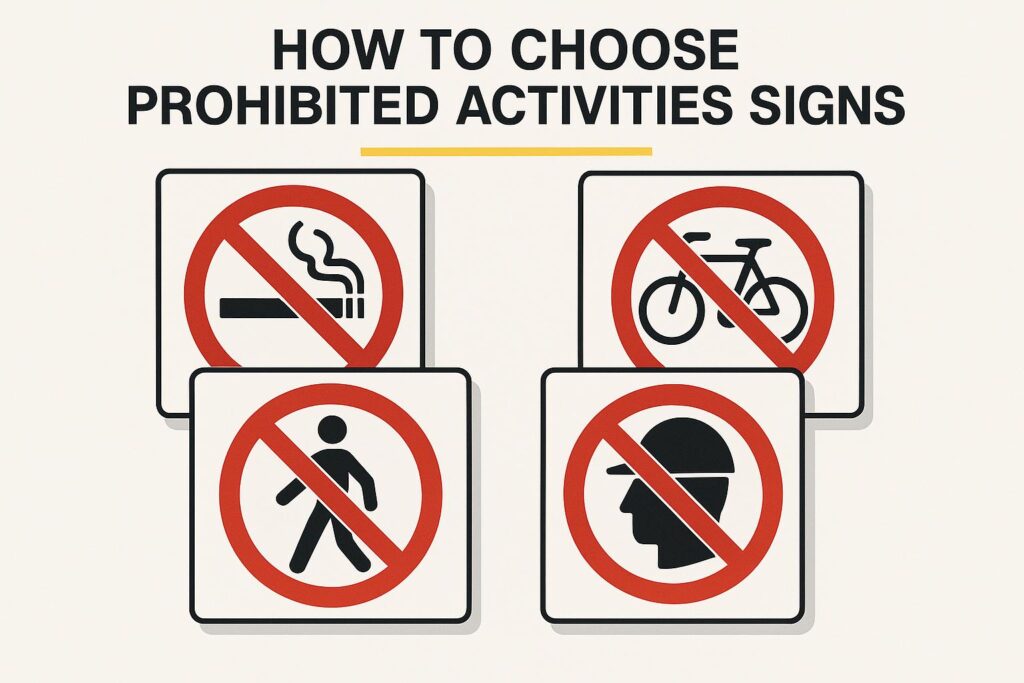
Prohibited activities signs help workplaces in Australia comply with safety laws, reduce risks, and promote safe practices. These signs, marked by a red circle with a diagonal slash over a black symbol on a white background, are legally required under the Work Health and Safety Act 2011 and must meet Australian Standard AS 1319-1994. Non-compliance can lead to heavy fines.
Key points to consider:
- Legal Compliance: Signs must follow AS 1319-1994 standards.
- Design: Use clear symbols, black text, and correct dimensions for visibility.
- Placement: Install in visible, high-traffic areas, following line-of-sight principles.
- Materials: Choose durable options like aluminium, rigid plastic, or vinyl based on the environment.
- Maintenance: Regularly inspect for damage, fading, or obstructions.
Prices start at $12.30 (including GST), making these signs an affordable safety measure. Custom signs are available for specific workplace needs.
Prohibition Signs | Health and Safety at Work | Animated with Voice
Legal Requirements and Australian Standards
In Australia, signs indicating prohibited activities must align with AS 1319-1994, titled Safety signs for the occupational environment. This standard becomes enforceable when referenced by State or Commonwealth legislation, such as the Work Health and Safety Act [5]. These legal requirements shape the design principles detailed below.
Failing to comply with these standards can lead to hefty penalties, jeopardising business operations and endangering public safety [6].
Design Features for Compliant Signs
AS 1319-1994 specifies the design elements necessary for prohibition signs to meet compliance. These signs must include:
- A white background.
- A red circular border (annulus) with a diagonal red slash.
- A black pictograph placed over the slash to depict the prohibited activity (e.g., a cigarette symbol for no-smoking areas).
- Any accompanying text must be black.
To ensure visibility, symbols should measure at least 15 mm per metre of viewing distance, while text must be 5 mm per metre. In areas with poor lighting, these dimensions should increase by 50% [2].
When Prohibited Activities Signs Are Required
Under AS 1319-1994, prohibited activities signs are mandatory in specific scenarios to uphold safety regulations [7]. These signs are crucial for preventing unsafe actions, restricting access to particular zones, or marking no-smoking areas.
It’s important to distinguish prohibition signs from other types of safety signs, such as:
- Mandatory signs: White on blue, indicating actions that must be carried out.
- Warning signs: Yellow with black, cautioning against potential hazards.
- Danger signs: White on red, highlighting immediate risks.
Each type serves a distinct purpose and adheres to different design standards.
Requirements for Specific Industries
Some industries must meet additional signage requirements beyond the baseline set by AS 1319-1994. For instance, healthcare facilities and food production sites often require extra prohibited activities signs to comply with specialised regulations and codes of practice.
In food manufacturing environments, it’s common to see multiple prohibition signs addressing activities like eating, drinking, or unauthorised access. These measures are critical for maintaining hygiene and preventing contamination.
Ultimately, industries need to customise their signage to reflect specific hazards, levels of public access, and legal obligations. Tailored signage ensures a safer and more compliant environment.
Identifying Which Activities to Prohibit
To determine which activities require prohibition signs, conduct a workplace risk assessment as mandated by the Work Health and Safety Act 2011 [3]. This process involves identifying hazards and implementing controls to mitigate risks. A well-structured risk assessment not only ensures compliance but also helps in designing effective signage tailored to your specific needs. Use these insights to evaluate your site for hazards that demand clear prohibitions.
Reviewing Your Workplace Site
Start by inspecting your workplace to identify activities that pose significant safety risks [8]. Pay close attention to areas with hazardous chemicals, heavy machinery, confined spaces, or delicate equipment. For instance, in an industrial environment, a risk assessment might highlight the presence of flammable materials, making "NO SMOKING, MATCHES OR OPEN FLAMES" signs essential [1]. Similarly, zones with frequent forklift activity should include "NO PEDESTRIAN ACCESS" signs [1]. In areas where unapproved personnel could create safety concerns, signs like "NO ENTRY AUTHORISED PERSONNEL ONLY" are crucial [1]. Document each hazard alongside the corresponding activities that need to be restricted.
Ranking Signage by Priority
Industries such as construction and transport, identified by Safe Work Australia as high-risk sectors [9], require particular attention. Focus on activities that could lead to severe injuries or fatalities [8]. Assess each risk by examining the likelihood of exposure and the potential consequences. Keep in mind that failing to comply with WHS regulations can lead to penalties exceeding $3 million for corporations and up to $600,000 for individuals [9]. Use this prioritisation to guide the placement of signs, ensuring the most critical hazards are addressed first.
Planning Sign Locations
Develop a site map to determine the best locations for signage, aiming for maximum visibility. Take into account factors such as traffic flow, sightlines, and lighting to ensure the signs are noticeable during regular operations. Refer to AS 1319-1994 for specific guidelines on sign placement to ensure both effectiveness and compliance. A carefully planned approach helps eliminate blind spots and reinforces safety measures throughout your facility.
sbb-itb-9950c92
Selecting the Right Signs

Prohibited Activities Sign Materials Comparison Guide for Australian Workplaces
Picking the right signs is about more than just ticking a compliance box – it’s about ensuring they can handle the specific demands of your workplace. A combination of clear messaging, the right size, and durable materials helps your prohibited activities signs stay visible and effective for the long haul. It’s equally important that the signs convey hazards clearly and immediately through well-chosen messages and symbols.
Choosing Standard Messages and Symbols
To comply with AS1319, use standardised symbols and messages that leave no room for confusion. Common examples include:
- "Alcohol Not Permitted On Site"
- "No Entry Authorised Personnel"
- "Do Not Use Mobile Phones"
- "No Smoking"
- "Do Not Drink"
- "Do Not Operate"
- "Do Not Wear Gloves"
These designs rely on universally recognised symbols, making them understandable even across language barriers. If you need custom signs, ensure they also follow these standards to maintain clarity and compliance.
Determining Sign Size and Format
The size of your sign matters, especially when it comes to visibility. The dimensions should correspond to the viewing distance and the lighting conditions of the area. For well-lit environments, the general guideline is:
- Symbols: At least 15 mm per metre of viewing distance.
- Text: At least 5 mm per metre of viewing distance.
If the area has poor lighting, increase these measurements by 50% for better visibility. Here are a few practical examples to guide your selection:
- A 300 × 225 mm sign works for a viewing distance of up to 12 metres.
- A 450 × 300 mm sign is effective for up to 18 metres.
- A 600 × 450 mm sign is suitable for approximately 27 metres.
Position the signs where they’re easy to spot – close to the observer’s line of sight, against a contrasting background, and free of obstructions. Make sure they’re clean, well-lit, and in good condition to maintain their effectiveness.
Once you’ve nailed down the size and format, it’s time to think about materials that can withstand your workplace conditions.
Comparing Materials for Durability
While AS1319-1994 doesn’t specify mandatory materials, selecting the right one for your environment is crucial. Here’s a quick rundown of common options:
- Aluminium: Extremely durable, resistant to UV rays, weather, and chemicals – great for outdoor and long-term use.
- Rigid Plastic (e.g., Polypropylene): A mid-range option that’s lightweight, cost-effective, and ideal for indoor, low-impact areas.
- Adhesive Vinyl: A budget-friendly choice for temporary or low-traffic applications.
- Steel: The toughest option, built for extreme conditions.
- Corflute: Lightweight and suited for short-term signage needs.
| Material | Durability | Cost | Suitable Environments |
|---|---|---|---|
| Aluminium | High | $$$ | Outdoor, long-term use |
| Rigid Plastic | Medium | $$ | Indoor, low-impact areas |
| Adhesive Vinyl | Low | $ | Temporary or low-traffic |
The material you choose directly affects the longevity and visibility of your signs, both of which are critical for maintaining workplace safety and compliance. If you’re unsure about the best option for your needs, companies like PXP Safety can help. They specialise in custom signs that meet Australian safety standards and are built to handle the unique challenges of your workplace.
Installing and Maintaining Signs
Putting up signs is just the beginning – keeping them in good shape ensures they stay effective and meet compliance standards.
Where to Install Signs
Signs need to be placed where they’re easy to spot. According to Australian Standard AS 1319, signs should be installed in a prominent location, ideally within the observer’s natural line of sight [2][12]. This usually means mounting them at a height and position where people naturally look as they move through a space.
To make signs stand out, use high-contrast backgrounds. For instance, a white prohibition sign will catch the eye more effectively on a dark surface than on a light one. Avoid placing signs where they can be obscured by equipment or clutter. Key areas like entry points and decision-making zones are particularly important – workers should be able to see what actions are restricted before entering a space or starting a task.
Once installed, it’s crucial to plan regular checks to ensure the signs remain in good condition.
Regular Inspection and Upkeep
Frequent inspections are essential to confirm that signs are readable, clean, and securely mounted [3][13]. Damaged or faded signs can weaken safety measures [13]. When inspecting, look for issues like fading caused by UV exposure, cracks, warping, or dirt buildup that could obscure the message. Any of these problems reduce a sign’s effectiveness and need immediate attention.
"For maximum effectiveness, safety signs should be maintained in good condition, kept clean and well illuminated." – WorkSafe ACT [2]
The frequency of inspections depends on the environment. Outdoor signs exposed to Australia’s harsh weather may need more frequent checks compared to indoor signs in controlled areas. High-traffic zones also require closer monitoring. If vandalism or theft is a concern, using anti-graffiti coatings or lockable fixtures can help protect your signs [14]. Additionally, update signs promptly whenever workplace layouts change or regulations are updated – outdated signs can be just as ineffective as having no signs at all [3].
Custom Sign Options
Not all hazards can be addressed with standard signs. Custom signs are ideal for unique risks or activities not covered by off-the-shelf options. When creating custom signs, it’s important to follow AS 1319 standards, ensuring the use of appropriate colours, symbols, and formatting so they remain instantly recognisable.
PXP Safety provides custom sign solutions tailored to Australian workplaces. Whether you need specific prohibition messages, signs in unusual sizes for tricky locations, or materials designed for extreme conditions, custom signs can be crafted to meet your exact requirements while staying compliant. This is especially useful for industries with specialised risks or facilities with non-standard layouts where standard signage simply won’t work.
Conclusion
Choosing the right prohibited activities signs boils down to three key factors: meeting Australian Standards, using durable materials, and ensuring strategic placement. Signs must comply with AS 1319-1994 specifications, which require the recognisable red circle with a diagonal slash over a black symbol on a white background [11][10]. This isn’t just about ticking boxes – it’s about meeting WHS requirements and avoiding costly penalties for non-compliance [5].
The materials used play a big role in how long your signs last, especially when exposed to Australia’s tough weather conditions. Proper sizing is equally important, ensuring the signs are easy to see and help people respond to hazards effectively.
Installation and maintenance are just as critical. Signs should be placed at eye level and against high-contrast backgrounds to remain visible. Regular inspections are necessary to ensure they stay effective and compliant [3][2]. If your workplace has unique risks that standard signs don’t address, custom options allow you to create signage tailored to your specific needs.
For solutions that meet these criteria, PXP Safety offers a range of standard prohibition signs, starting at $15 (excluding GST), as well as custom options designed to handle Australian conditions [1][4][10]. Their signs are built to endure harsh climates while staying compliant. Assess your workplace requirements and decide whether standard, predrilled, or custom designs are the best fit for effective safety signage.
FAQs
What are the consequences of not complying with AS 1319-1994 safety sign standards?
Failure to follow AS 1319-1994, the Australian standard for safety signs, can lead to serious repercussions. These might include legal fines and violations of Australian Work Health and Safety (WHS) laws. Beyond the legal risks, non-compliance can make workplaces more hazardous, increasing the likelihood of accidents or injuries.
By ensuring your workplace signage aligns with these standards, you’re not just avoiding legal trouble – you’re contributing to a safer environment for everyone.
What’s the best material for prohibited activities signs in my workplace?
The best material for prohibited activities signs will vary based on your workplace environment and specific needs. For outdoor settings, aluminium and Colorbond are excellent choices due to their durability and resistance to harsh weather. If you’re after a temporary outdoor solution, Corflute is both lightweight and budget-friendly. For indoor use, PVC Foam Board is a practical option for short-term signage. Meanwhile, for outdoor signs that need to stand out, reflective aluminium is a great option, ensuring visibility even in low-light conditions.
When selecting materials, aim for a balance between durability, visibility, and adherence to Australian workplace safety standards to guarantee your signs are both effective and compliant.
What should I keep in mind when selecting the size and placement of prohibited activity signs?
To make your signs effective, focus on visibility, lighting, and viewing distance. The size of the sign plays a crucial role in readability. For instance, according to Australian standards, a sign measuring at least 300 x 225 mm is suitable for a viewing distance of up to 12 metres.
Placement is equally important. Signs should be installed in clear, highly visible areas, free from obstructions. Mount them at an appropriate height – generally no less than 2.1 metres above ground level – to ensure they are easily noticed while complying with workplace safety guidelines.
Related Blog Posts
You may also be interested in
FAQs About Workplace Safety Signs in Australia
AS 1319 sign types, placement, materials and maintenance for workplace safety and WHS compliance in Australia.
Restricted Area Signs vs. No Entry Signs
Compare No Entry and Restricted Area signs in Australian workplaces — meanings, design differences and AS 1319 compliance.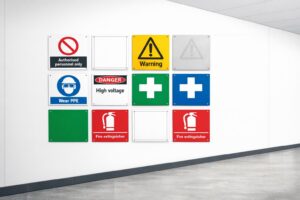
How to Spot Workplace Signage Gaps
Audit your workplace for missing, faded or non‑compliant signs under AS 1319 to reduce incidents and avoid WHS fines.
Symbol Design: Global Standards Explained
Explains ISO 7010 and ISO 3864: standard symbols, colours and sizing for clear, language‑free safety signage and AU compliance.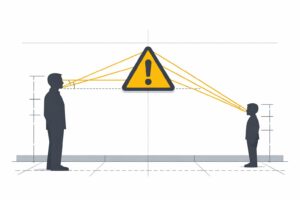
Hazard Sign Visibility Planner
Plan hazard sign placement for max visibility with our free tool. Ensure safety by finding the best spot, height, and angle—try it now!