Best Safety Signs for Warehouses and Industrial Sites
Safety signs in Australian warehouses and industrial sites are not optional – they’re mandated by the Work Health and Safety Act 2011. Compliance with AS 1319-1994 ensures signage meets legal and practical requirements, including durability, visibility, and proper messaging. Neglecting these standards risks worker safety and legal penalties.
Here’s what you need to know:
- PXP Safety Standard Signs: Comply with AS 1319-1994, made from durable aluminium, and designed for common workplace hazards.
- PXP Safety Custom Signs: Tailored for site-specific needs, these signs use UV-stabilised materials and allow branding or unique messages while staying compliant.
- Generic Signs: Often non-compliant or less durable, risking safety and legal issues.
Key Considerations:
- Compliance: Signs must align with AS 1319-1994.
- Durability: Materials like aluminium and UV coatings extend longevity.
- Visibility: Proper sizing, placement, and contrast ensure effectiveness.
- Customisation: Ideal for addressing unique hazards but must meet standards.
Quick Tip: Regular maintenance is essential – clean signs and ensure good lighting to maximise their impact. Choosing the right safety signs protects workers and keeps your business compliant.
Safety Signs in Australia
1. PXP Safety Standard Signs

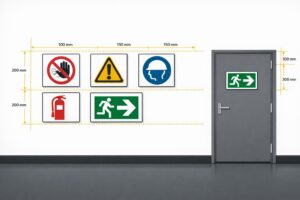
PXP Safety’s standard signs are meticulously crafted to align with AS 1319-1994, the Australian Standard that governs safety signage in workplaces. This standard defines clear categories for signs, including Danger, Warning, Mandatory, Prohibition, Emergency Information, and Fire signs. Each category is distinguished by specific colours, shapes, and symbols, ensuring they are easily recognisable by workers [5]. These signs are built to meet both design and material requirements.
Made from durable aluminium composite panels, printed with outdoor-grade ink, and coated with UV protective film, these signs are designed to withstand harsh conditions like high traffic and dusty environments without fading or deteriorating [6].
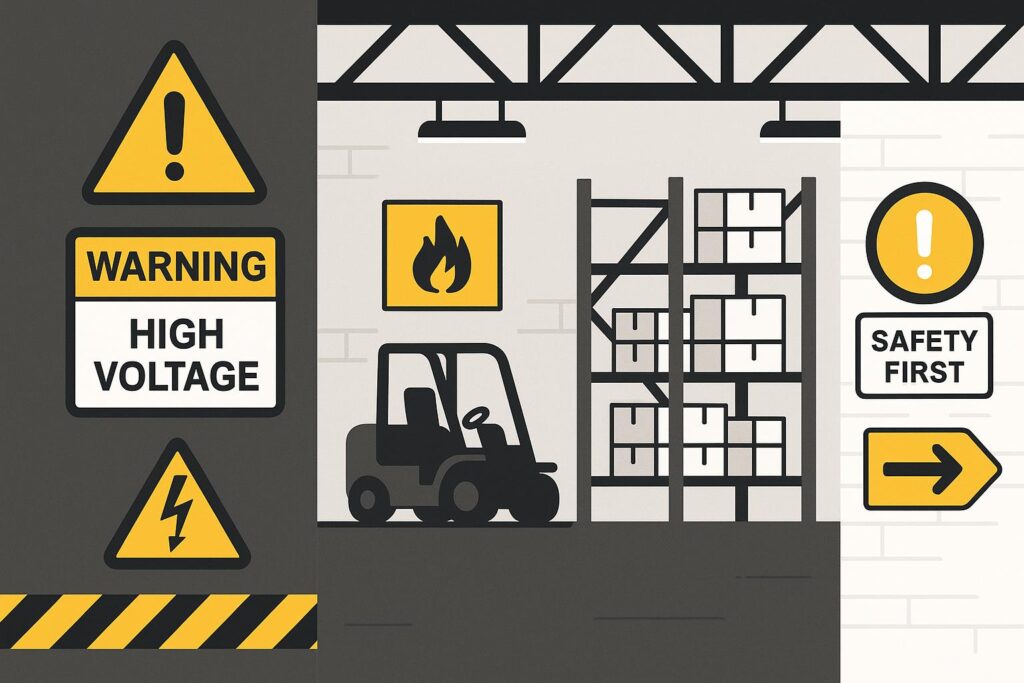
The use of bold text and consistent colour coding ensures quick identification. For example, Danger signs feature white text on a red oval set against a black background, while Warning signs use a black symbol on a yellow triangle [2]. AS 1319-1994 also specifies that symbols should be at least 15 mm in size for every metre of viewing distance under good lighting, with a 50% size increase recommended for poor lighting conditions to maintain visibility [4].
These signs are designed for installation at eye level on surfaces that contrast with the sign and are free from obstructions. They address a wide range of workplace hazards, from marking fire equipment locations to indicating mandatory PPE requirements. To ensure their effectiveness, regular cleaning and adequate lighting are essential [7].
2. PXP Safety Custom Signs
PXP Safety takes its standard signage range to the next level with custom signs designed to address unique site hazards. These signs not only comply with AS 1319-1994 but also cater to site-specific needs and branding requirements. Each sign is carefully crafted to include the mandatory elements for its classification – whether it’s a Danger, Warning, Mandatory, Prohibition, Emergency Information, or Fire sign. A certified safety professional reviews every design to ensure it meets compliance standards [7].
Made from durable, UV-stabilised polypropylene, these custom signs are built to endure tough industrial environments and can last up to 5 years outdoors. They’re printed with scratch-resistant ink, making them resilient to wear and tear. Keeping them clean is simple: just wipe with a sponge or soft towel using mild detergent and warm water [8].
Custom signs are designed to meet the same visibility requirements as standard signs [4][7]. For maximum impact, they should be mounted at eye level on a contrasting background to ensure they remain unobstructed and easy to see [4][7].
The customisation options are extensive. You can include company logos, specific icons, site-specific messages, or even QR codes to create branded signs that directly address workplace hazards. These tailored signs are particularly useful for marking areas like forklift traffic zones, chemical storage areas, or equipment-specific warnings, all while staying compliant with safety standards [9].
It’s important to note that "Notice Signs", which are used for general information, do not meet AS 1319 requirements and shouldn’t be used in place of compliant signage where regulations apply. Regular inspections are recommended to keep custom signs clean and well-lit, as dirt or poor illumination can reduce their effectiveness [4][7].
sbb-itb-9950c92
3. Generic Safety Signs from Other Suppliers
Generic safety signs from other suppliers often struggle to meet the mark when it comes to regulatory standards and longevity. Unlike PXP Safety’s tailored solutions, these signs can sometimes leave businesses exposed to compliance issues and durability concerns. It’s crucial to understand what you’re getting when purchasing generic signs.
Compliance with AS 1319
A common issue with generic signs is their failure to meet the AS 1319-1994 standard. Many suppliers produce "notice signs" or "generalised signs" that don’t align with these regulations [5]. This non-compliance can result in inferior materials and shorter lifespans. Beyond the practical drawbacks, failing to meet WHS regulations could lead to legal penalties and fines [1].
Material Construction and Durability
The quality of materials used in generic signs can vary significantly. Here are some common materials and their typical lifespans:
- Self-adhesive vinyl: Suitable for indoor use lasting over 8 years, and outdoor use for up to 7 years.
- Polypropylene: Typically holds up for 3–5 years outdoors.
- Colourbond metal: Offers a lifespan of 5–8 years.
- Reflective aluminium: Some suppliers provide warranties of up to 10 years for reflective versions, while non-reflective versions last around 7 years.
Cheaper materials, like Corflute plastic, are generally only fit for temporary use [10][11].
Visibility and Readability
Effective hazard communication requires clear and visible signage. Generic signs often fail to meet these standards. To ensure visibility, signs should be installed at eye level against a contrasting background. In poorly lit areas, increasing the size of the signage by 50% may also be necessary [4].
Customisation Features
Some suppliers offer customisation options, enabling businesses to design signs that suit their specific needs. However, customisation should never come at the expense of regulatory compliance. Companies like Safetysure stress the importance of adhering to standards, while others may disclaim responsibility if their signs fail to meet required guidelines [7][12].
Comparison of Features

Comparison of Safety Sign Types for Australian Warehouses and Industrial Sites
Choosing the right safety signage is crucial for workplace safety. Below is a comparison of the features offered by PXP Safety Standard Signs, PXP Safety Custom Signs, and generic safety signs from other suppliers.
| Feature | PXP Safety Standard Signs | PXP Safety Custom Signs | Generic Safety Signs |
|---|---|---|---|
| AS 1319-1994 Compliance | Fully meets the required standards for common hazards, such as Danger, Warning, and Emergency signs [7]. | Fully compliant while allowing tailored messaging for specific workplace hazards [3][7]. | Compliance varies; some suppliers include "notice signs" that may not meet regulatory standards [5]. |
| Material Durability | Made with durable aluminium, UV protective coating, and outdoor-grade printing for extended use. | Uses similarly durable materials, customised for specific environmental conditions. | Durability depends on the materials and application, leading to inconsistent performance. |
| Visibility & Readability | Designed for optimal visibility with appropriate sizing and contrast. | Customised designs enhance readability for diverse environments. | Visibility and readability can vary, especially if not designed for specific conditions. |
| Customisation Options | Limited to standard, pre-designed configurations. | Fully customisable to meet unique needs while maintaining compliance [3][7]. | Customisation options are available but may not always ensure compliance with safety regulations. |
| Legal Protection | Complies with WHS Regulations 2011, reducing legal risks [13][14]. | Provides tailored solutions that comply with WHS Regulations 2011, addressing specific hazards [13][14]. | Non-compliant signs may lead to fines and legal liabilities for organisations [13]. |
This table underscores the differences in compliance, durability, visibility, and customisation. While PXP Safety Standard Signs are suitable for addressing common hazards, PXP Safety Custom Signs offer tailored solutions for unique workplace risks. In contrast, generic safety signs often compromise on compliance and durability.
It’s worth noting that AS 1319-1994 requires signs to be fit for their purpose [4][1]. For addressing unique hazards, consulting a certified safety professional is strongly recommended [7].
Conclusion
Selecting the right safety signs for your warehouse or industrial site hinges on three main considerations: compliance with AS 1319-1994, durability of materials, and the need for customisation.
First and foremost, all safety signage must align with the requirements set out in AS 1319-1994. While these standards are typically voluntary, they become legally binding when referenced by law. Failing to comply could lead to penalties or legal consequences[15].
Next, focus on materials that can withstand harsh conditions. Options like aluminium composite panels or heavy-duty vinyl with UV protection are excellent choices, as they resist fading, cracking, and general wear and tear. Durable materials ensure your signs remain effective and compliant over time.
Custom signage is equally important for addressing hazards unique to your workplace. Whether it’s instructions for specific machinery, restricted access zones, or tailored emergency procedures, custom signs can fill the gaps where standard options fall short[7]. Just ensure that any custom designs adhere to AS 1319-1994 specifications for colours, symbols, and formatting. For more complex needs, consulting certified safety experts can help you create signage that is both functional and compliant.
Lastly, don’t overlook maintenance. Regularly inspect your signs for damage or fading and replace them as needed to maintain their visibility and effectiveness. By keeping compliance, durability, and customisation top of mind, you’re not just meeting legal requirements – you’re actively fostering a safer workplace for everyone.
FAQs
What are the key requirements for safety signs under AS 1319-1994 in Australia?
Safety signs that meet the AS 1319-1994 standard are designed with specific shapes, colours, and symbols to suit their purpose. Here’s how they are categorised:
- Prohibition signs: Feature a red circle with a diagonal slash to indicate actions that are not allowed.
- Mandatory signs: Use a blue circle to show actions that must be carried out.
- Hazard signs: Display a yellow triangle to warn of potential dangers.
- Danger signs: Combine white text on a red oval to highlight immediate risks.
- Emergency signs: Have a green background to indicate exits, first aid, or safety equipment.
- Fire signs: Use a red background to mark fire safety equipment and related information.
For these signs to be effective, they need to be highly visible, correctly sized for the viewing distance, and placed where they’re easily noticeable and free from obstructions. Adhering to these standards is crucial for ensuring safety and compliance in Australian workplaces, particularly in warehouses and industrial settings.
What should I do to ensure my custom safety signs comply with Australian regulations?
To make sure your custom safety signs meet Australian regulations, they must comply with Australian Standard AS 1319-1994. This standard specifies the proper design, symbols, colours, placement, and size required for workplace safety signage. Choose sturdy materials that suit the environment – whether it’s indoors or outdoors – and ensure the signs are easy to see and free from obstructions.
It’s important to regularly check your signs for any damage, wear, or fading. Replace them promptly to stay compliant. Performing a signage audit every 6 to 12 months is a smart way to ensure all signs remain current and effective in addressing workplace hazards.
Why is it important to regularly maintain safety signs in the workplace?
Regular upkeep of safety signs is essential to make sure they remain clear, visible, and legible. Over time, signs can fade, suffer damage, or become covered in dirt, which diminishes their ability to effectively warn workers about potential hazards.
Maintaining safety signs in proper condition plays a key role in preventing workplace accidents and meeting Australian safety standards, such as AS 1319. This not only safeguards employees but also promotes a workplace culture centred on safety and responsibility, particularly in industrial and warehouse settings.
Related Blog Posts
You may also be interested in
FAQs About Workplace Safety Signs in Australia
AS 1319 sign types, placement, materials and maintenance for workplace safety and WHS compliance in Australia.
Restricted Area Signs vs. No Entry Signs
Compare No Entry and Restricted Area signs in Australian workplaces — meanings, design differences and AS 1319 compliance.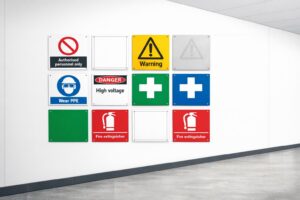
How to Spot Workplace Signage Gaps
Audit your workplace for missing, faded or non‑compliant signs under AS 1319 to reduce incidents and avoid WHS fines.
Symbol Design: Global Standards Explained
Explains ISO 7010 and ISO 3864: standard symbols, colours and sizing for clear, language‑free safety signage and AU compliance.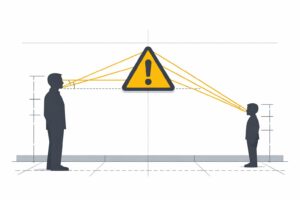
Hazard Sign Visibility Planner
Plan hazard sign placement for max visibility with our free tool. Ensure safety by finding the best spot, height, and angle—try it now!