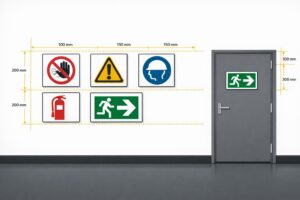
What Do Different Safety Sign Colours Mean?
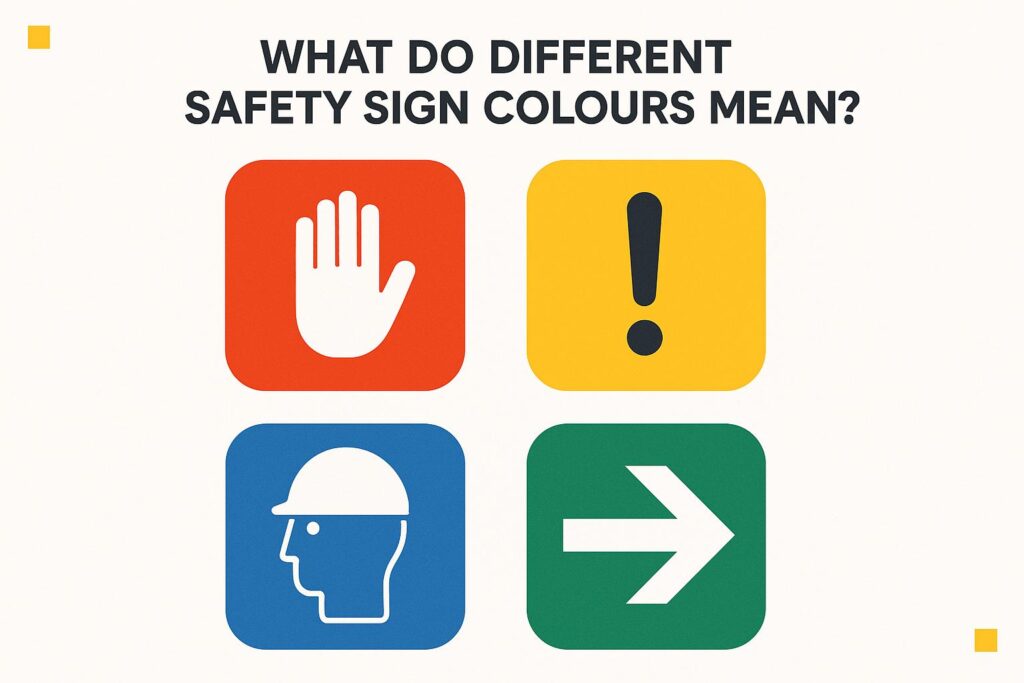
Understanding safety sign colours is essential for workplace safety in Australia. Each colour communicates a specific message, helping workers identify hazards, follow instructions, and locate emergency equipment. These signs comply with the Australian Standard AS 1319:1994, ensuring consistent use nationwide. Here’s a quick breakdown:
- Red: Indicates danger, prohibition, or fire equipment (e.g., "Danger – High Voltage", "No Smoking", fire extinguisher locations).
- Yellow: Warns of potential hazards requiring caution (e.g., "Caution – Wet Floor", "Warning – Forklift Area").
- Blue: Specifies mandatory actions to stay safe (e.g., "Wear Hard Hat", "Eye Protection Must Be Worn").
- Green: Highlights emergency information and safe conditions (e.g., emergency exits, first aid stations).
Employers must display these signs, and workers need to understand their meanings to comply with WHS regulations. Proper signage ensures hazards are recognised quickly, actions are clear, and emergency resources are easy to locate.
The Different Colours Of Safety – What Safety Sign Colours Mean – Occupational Health and Safety
Why Colour-Coded Safety Signs Matter
Colour-coded safety signs turn simple notices into powerful communication tools that break through language and literacy barriers. Take a red sign, for instance – it instantly signals danger or prohibition, a message that’s understood without needing words. This is especially important in Australian workplaces, where teams often include individuals from various cultural and linguistic backgrounds. These universal cues lay the groundwork for understanding the specific meanings of each sign colour, as outlined below.
How Colour Improves Hazard Recognition
Colour coding plays a critical role in spotting hazards quickly. In emergencies like an evacuation or a sudden equipment failure, there’s no time to read long instructions. A green exit sign or a red fire equipment sign delivers the necessary message immediately, ensuring workers can act without hesitation.
Over time, these colour cues become second nature. For example, workers quickly learn that blue signs indicate mandatory actions, such as wearing safety gear like hard hats or goggles. This familiarity reduces the need to process detailed instructions, enabling faster and more instinctive responses to potential risks.
Meeting Australian WHS Standards
The Australian Standard AS 1319:1994 ensures a consistent approach to safety signage across all workplaces. This means a forklift operator in Brisbane will encounter the same clear colour cues as one in Perth, minimising confusion and enhancing safety.
SafeWork inspectors regularly check workplaces to confirm compliance with these standards. Following AS 1319:1994 not only ensures effective communication of hazards but also reflects an employer’s dedication to creating a safe working environment.
Red Safety Signs: Danger, Prohibition, and Fire Equipment
Red safety signs are designed to grab attention quickly, delivering crucial information about hazards, restricted actions, and the location of fire safety equipment. Their purpose is clear: to ensure swift and accurate responses in potentially dangerous situations. Let’s break down their three main uses.
Danger Signs
Danger signs serve as a critical warning about hazards that could result in severe injury or even death. You’ll often find these signs in areas with high-risk elements like high-voltage equipment, confined spaces, or active machinery. Messages such as "Danger – High Voltage", "Danger – Keep Out", or "Danger – Moving Parts" are commonly displayed near electrical panels, construction sites, or manufacturing areas. According to Australian Standard AS 1319:1994, these signs are designed for maximum visibility, ensuring workers can quickly recognise dangers and take necessary precautions.
Prohibition Signs
Prohibition signs are there to clearly indicate actions that are not allowed in certain areas. For example, "No Smoking" signs are a familiar sight near fuel storage areas or chemical handling zones, while "No Entry" signs are used to restrict access to sensitive locations like plant rooms or maintenance areas. Other examples might include bans on pedestrian access or mobile phone use in hazardous environments. These signs often use universally recognised symbols, making their message clear even to those with limited English skills.
Fire Equipment Signs
Fire equipment signs help workers locate essential fire-fighting tools during emergencies. These signs point to fire extinguishers, hose reels, and emergency alarm stations. You’ll typically see them placed near extinguishers or on cabinets holding hoses and other fire safety gear. Placement follows strict guidelines to ensure visibility, and regular checks are necessary to keep these signs unobstructed and easy to spot when needed most.
Yellow Safety Signs: Hazard Warnings
Yellow safety signs serve as an important visual cue in workplaces, alerting workers to potential risks. Unlike red signs, which signal immediate danger or prohibited actions, yellow signs highlight hazards that require caution and attentiveness. While these risks might not be life-threatening, they can still lead to injury if ignored. Let’s explore their design and practical applications.
Design and Purpose of Yellow Signs
Yellow warning signs are designed for instant recognition. They feature a bright yellow background, black text, and a triangular border to create high contrast, making them easy to spot even in dim lighting or from a distance.
The main goal of these signs is to alert workers to potential dangers that require care and attention. They don’t indicate immediate threats or restrict access but instead encourage caution. For example, a yellow sign might warn of slippery floors or hot surfaces, prompting workers to take preventative measures.
According to AS 1319:1994, yellow warning signs must adhere to strict colour and design guidelines to ensure uniformity across all Australian workplaces. This standardisation means a worker in Melbourne will instantly recognise the same warning signs when working in Perth or Brisbane. Now, let’s look at some common examples of yellow safety signs in action.
Common Yellow Sign Examples
Yellow safety signs are used across a variety of industries, tailored to specific hazards:
- "Caution – Wet Floor": These temporary signs are a familiar sight in shopping centres, offices, and industrial facilities. They warn of slippery conditions caused by cleaning or spills, helping to prevent slip-related injuries.
- "Warning – Forklift Area": In warehouses and distribution centres, these signs mark areas where forklifts operate. They remind pedestrians to stay alert and proceed cautiously, especially at intersections of pedestrian and vehicle pathways.
- "Hot Surface": Found in manufacturing facilities, these signs warn of equipment that generates high temperatures, such as industrial ovens or welding stations. They are typically permanent fixtures, as the hazard is ongoing during regular operations.
Other examples include "Caution – Slippery Surface", used in areas prone to oil or grease spills, "Warning – Overhead Load" for zones under crane operations, and "Caution – Trip Hazard" for spaces with uneven flooring or exposed cables. Each sign addresses a specific risk, helping workers stay safe while maintaining efficiency.
Careful placement of these signs is crucial. They should be positioned at eye level whenever possible, with adequate lighting to ensure they are visible during all shifts. This thoughtful approach ensures that workers can easily identify and respond to potential hazards in their environment.
sbb-itb-9950c92
Blue Safety Signs: Mandatory Actions
After yellow warning signs, blue safety signs step in to outline the actions you must take to stay safe.
What Blue Safety Signs Mean
Blue safety signs are all about instructions. They’re not here to warn you like yellow or red signs but to tell you exactly what to do. Featuring a blue background with white symbols, these signs stand out as clear directives for mandatory actions. They’re a crucial part of workplace safety, ensuring everyone knows what’s required to maintain a secure environment. Adhering to these signs is not just good practice – it’s a requirement under Australian WHS regulations [1].
Green Safety Signs: Emergency and Safe Conditions
Green safety signs play a crucial role in highlighting emergency information and safe conditions in Australian workplaces.
Emergency Facilities and Safe Conditions
These signs are used to pinpoint the locations of vital emergency facilities like emergency exits, first aid stations, safety equipment, and assembly points. They are designed with a green background, white pictograms, and text in rectangular or square shapes, adhering to the AS 1319:1994 standard. This uniform design ensures that during emergencies, people can quickly locate the resources they need, whether they’re evacuating a building or addressing an injury.
Placement is key for these signs to be effective. For instance, emergency exit signs are strategically positioned to be visible from multiple spots in a room, while first aid stations and assembly points are located where they can be easily identified in urgent situations. This thoughtful positioning ensures quick recognition and action when it matters most.
Common Green Sign Examples
- Emergency Exit: These signs point to the fastest way out of a building during an evacuation. You’ll often see them above doors, along hallways, and near staircases, directing people to safe exit routes.
- First Aid: These signs show where first aid kits, treatment rooms, or stations are located, making it easier to provide immediate care to injured workers.
- Emergency Assembly Point: These signs mark designated gathering spots after an evacuation. They help supervisors perform headcounts and confirm everyone’s safety.
Green signs may also identify areas considered safe during certain emergencies, offering reassurance and guiding people to secure locations when needed.
Knowing these signs and their meanings can make all the difference in responding quickly and confidently during critical moments.
Conclusion
Grasping the importance of colour-coded safety signs is key to creating a workplace where hazards are quickly recognised, procedures are followed, and emergency resources are easily located. Each colour plays a specific role in communicating risks and necessary actions.
In Australia, workplaces must comply with Work Health and Safety regulations, particularly Australian Standard AS 1319-1994. This standard outlines the design, colour, shape, and proper use of safety signs, ensuring consistency and clear messaging nationwide. Ignoring these guidelines puts workplace safety at risk.
Poorly maintained or unclear signage poses a danger to everyone. Ensuring that your workplace uses the correct signs in the appropriate locations – and that all staff understand their meanings – helps foster a culture of safety. Regular inspections and training sessions are essential to keep these signs effective and ensure they remain a reliable tool for preventing accidents.
When safety signs are properly implemented and understood, they become second nature. Workers can locate fire extinguishers, use protective gear, and evacuate safely when it matters most. In critical moments, quick recognition can truly save lives.
FAQs
How do colour-coded safety signs improve communication in diverse workplaces?
Colour-coded safety signs rely on universally recognised colours and symbols to communicate crucial safety messages at a glance. They allow workers to identify hazards, follow instructions, and grasp safety information without needing to read text. This makes them particularly useful in workplaces with diverse cultural and language backgrounds.
These visual cues play a key role in helping everyone react appropriately to risks, improving overall safety and ensuring adherence to workplace regulations.
What happens if workplaces don’t comply with Australian Standard AS 1319:1994 for safety signs?
Failing to adhere to the Australian Standard AS 1319:1994 for safety signage can result in serious repercussions. It can cause confusion or miscommunication about potential hazards, which increases the likelihood of workplace injuries or accidents. On top of that, businesses may face legal fines or penalties for not meeting safety compliance requirements.
Using the correct signage does more than just safeguard employees’ health and safety – it also reflects a workplace’s dedication to compliance and professionalism.
How often should workplaces inspect safety signs to ensure they are clear and effective?
Workplaces need to routinely check safety signs to make sure they stay clear, readable, and in good condition. Though there isn’t a universal rule for how often this should happen, it’s generally advised to inspect signs at least every six months. In areas with higher risks or where signs are more likely to get damaged, inspections may need to happen more often.
These regular checks can catch problems like fading, physical damage, or anything blocking the signs, all of which could affect safety. Make sure these inspections follow Australian workplace safety standards and any specific regulations relevant to your industry.
Related Blog Posts
You may also be interested in
FAQs About Workplace Safety Signs in Australia
AS 1319 sign types, placement, materials and maintenance for workplace safety and WHS compliance in Australia.
Restricted Area Signs vs. No Entry Signs
Compare No Entry and Restricted Area signs in Australian workplaces — meanings, design differences and AS 1319 compliance.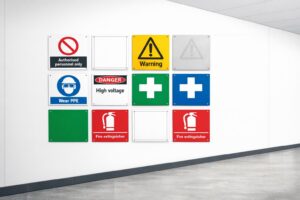
How to Spot Workplace Signage Gaps
Audit your workplace for missing, faded or non‑compliant signs under AS 1319 to reduce incidents and avoid WHS fines.
Symbol Design: Global Standards Explained
Explains ISO 7010 and ISO 3864: standard symbols, colours and sizing for clear, language‑free safety signage and AU compliance.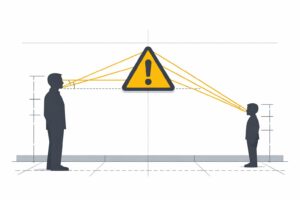
Hazard Sign Visibility Planner
Plan hazard sign placement for max visibility with our free tool. Ensure safety by finding the best spot, height, and angle—try it now!