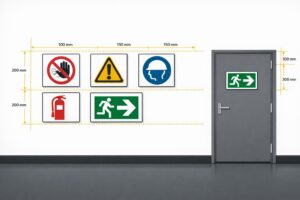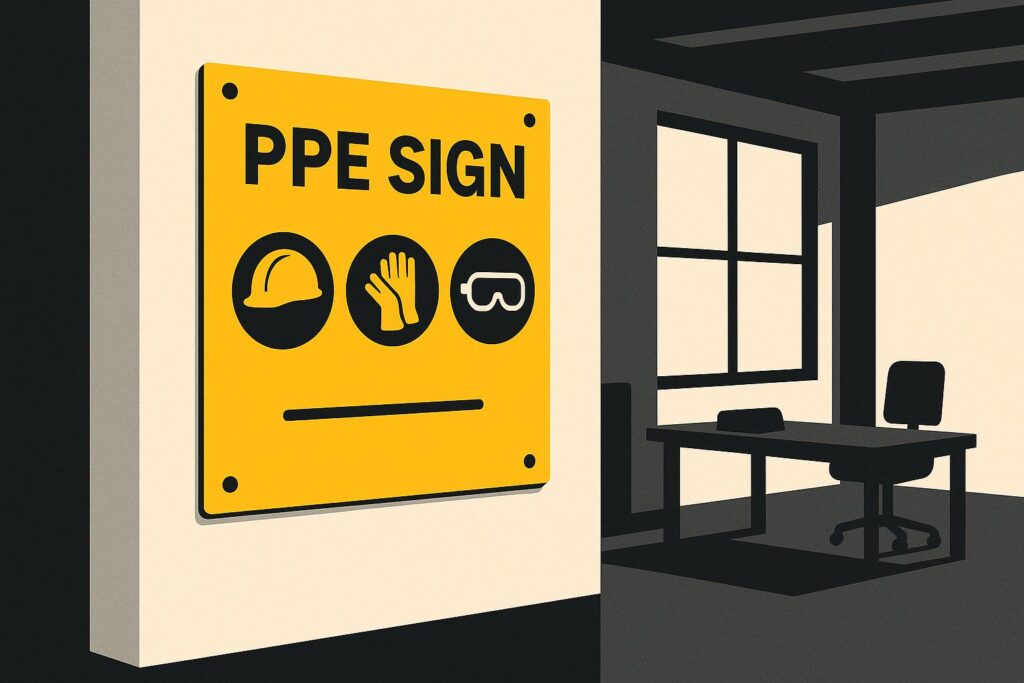
PPE Sign Compliance: Avoiding Fines
Non-compliance with PPE signage in Australia can lead to fines, workplace accidents, and WHS breaches. To stay compliant and protect your workers, here’s what you need to know:
- Follow AS 1319 Standards: Use the correct colours, symbols, and fonts for mandatory PPE signs (blue background, white symbols).
- Ensure Visibility and Durability: Signs must withstand Australia’s harsh conditions (UV, rain, chemicals) and remain clear and legible.
- Update Signs with Risk Assessments: Align signage with hazards identified in risk assessments and update as conditions change.
- Install in Key Locations: Place signs at entry points, near hazards, and at eye level for maximum visibility.
- Train Workers: Ensure employees understand the meaning and importance of PPE signs, including colour codes and specific requirements.
- Maintain and Inspect Regularly: Check for damage, fading, or obstructions, and replace signs as needed.
- Keep Records: Maintain documentation of sign installation, maintenance, and updates to demonstrate compliance.
1. Follow Australian Standards for PPE Signs
Compliance with AS 1319 Standards
Every PPE sign in your workplace must adhere to AS 1319:1994, which outlines the proper use of colours, shapes, symbols, and text to ensure signs are easily recognisable. According to this standard, mandatory PPE signs are characterised by a blue background and white symbols, with clear, sans-serif text for readability. Meeting these specifications is crucial during SafeWork inspections and ensures your workplace remains compliant.
In addition to design, the longevity of your signage plays a key role in maintaining compliance.
Visibility and Durability of Signage
Australian conditions can be tough on signage. Intense sunlight, high temperatures, heavy rain, and exposure to chemicals can cause signs to fade or deteriorate quickly. To combat this, high-quality materials like UV-protected aluminium and outdoor-grade printing are essential to preserve colours and readability over time. Regular checks for wear and tear, such as fading or scratches, are also necessary to ensure signs remain effective and visible.
At PXP Safety, we offer safety signs specifically built for Australia’s challenging environment, using durable aluminium bases and UV-resistant coatings for long-lasting performance.
Alignment with Workplace Risk Assessments
Beyond following the standards, PPE signage must align with your workplace’s current risk assessments. Each sign should clearly address a documented hazard and be updated as conditions change – whether it’s the introduction of new machinery or modifications to existing processes. Keeping your signage up-to-date ensures it reflects the real risks in your workplace.
Once your signs are tailored to the identified hazards, they should be seamlessly integrated into your broader safety systems.
Integration with Broader WHS Systems
PPE signage should work hand-in-hand with your workplace’s WHS policies, procedures, and training programs. Include these signs in Safe Work Method Statements (SWMS) and induction materials to make safety requirements clear to everyone, from new hires to experienced staff.
Maintain accurate records of sign installation, regular inspections, and updates. This documentation not only demonstrates compliance but also highlights a proactive approach to workplace safety, ensuring your measures are both effective and consistently upheld.
2. Match Signs to Your Risk Assessments
Connect Signs Directly to Identified Risks
Making sure your signs align with the risks identified in your workplace is crucial for both safety and meeting legal obligations. For example, PPE signs should directly correspond to specific hazards noted in your risk assessments. Place these signs in locations where exposure to hazards is most likely. As your workplace grows or changes, ensure your PPE signage keeps pace with these developments.
Keep Signs Updated as Conditions Change
Whenever new hazards emerge or existing ones are resolved, update your PPE signs without delay. Document these updates and reviews to demonstrate compliance and a proactive approach to safety. A structured review process during major workplace changes can help maintain a safe environment and prepare you for inspections. Keeping thorough records of updates and reviews shows your ongoing commitment to protecting your team.
Customise Signage for Specific Areas
Different areas of your workplace may have unique risks. Tailor your signage to reflect the specific hazards of each zone, offering clear and precise guidance for workers and visitors while ensuring compliance with safety standards.
3. Install Signs in High-Visibility Locations
Compliance with AS 1319 Standards
The Australian Standard AS 1319-1994 requires that PPE signs are placed where they can be easily seen during inspections. This means installing them at eye level and considering the layout of your workplace when deciding on their exact location.
Positioning is key. Mandatory PPE signs should be placed at entry points to hazardous areas, near equipment requiring protective gear, and close to emergency equipment. The signs must also suit the environment – whether indoors, outdoors, or in high-risk settings.
Once you’ve determined the right spots, the next step is to ensure the signs remain visible and intact over time.
Visibility and Durability of Signage
To maintain visibility, ensure that PPE signs are not blocked by furniture, equipment, or stored materials. Changes to the workplace layout could obscure signs, so regular checks are essential.
Choose mounting locations that provide a strong contrast to the sign’s colours. For example, a blue sign with white symbols stands out well against a light-coloured wall.
PXP Safety offers signs printed with outdoor-grade materials and UV protection, designed to endure Australia’s tough weather conditions.
After confirming signs are both visible and durable, double-check that their placement aligns with actual workplace hazards.
Alignment with Workplace Risk Assessments
Review each hazard zone to ensure signs are placed where risks are present. This not only strengthens PPE compliance but also ties signage placement to the hazards identified in your risk assessments. Regular reviews of sign locations demonstrate a proactive approach to maintaining workplace safety and addressing potential risks.
4. Maintain Signs to Keep Them Readable
Compliance with AS 1319 Standards
In Australia, safety signs must meet the requirements of AS 1319-1994, which mandates that they remain in good condition to serve their purpose effectively. This means regular maintenance is not just a good practice – it’s essential. Signs that are dirty, poorly lit, or damaged fail to meet compliance standards and could leave your workplace exposed to penalties during WHS inspections. A faded or illegible sign simply won’t cut it.
To stay compliant, focus on three key areas during maintenance: cleanliness, lighting, and overall condition. These elements ensure your signs remain visible and readable, keeping your workplace safe and aligned with regulations.
Visibility and Durability of Signage
Regularly auditing your signage is crucial. Look out for signs of wear and tear, such as fading, cracks, or damage, and confirm that each sign’s message accurately reflects current workplace hazards.
"Safety signs are only effective if they are visible and legible." – Verdex
Materials play a huge role in durability. For outdoor signage, weather-resistant options like UV-protected aluminium are ideal, as they can withstand Australia’s harsh sun and unpredictable weather. Indoor signs made from materials such as corflute or polypropylene also need regular cleaning and inspections to ensure they remain effective.
Dust, grime, or industrial residue can reduce the contrast on signs, making them harder to read. Regular cleaning is essential to maintain clarity. In areas with poor natural lighting, consider adding supplementary lighting to ensure signs remain easy to spot.
For example, PXP Safety produces signs with outdoor-grade printing and a UV protective layer, designed specifically for Australia’s tough conditions. These features extend the lifespan of your signs, reducing the frequency of replacements and helping maintain compliance with safety standards.
Integration with Broader WHS Systems
Signage maintenance shouldn’t exist in isolation. Incorporate sign checks into your broader WHS inspections, alongside equipment maintenance and hazard reviews. This approach ensures your workplace safety systems work together seamlessly.
Keep detailed records of all maintenance activities, including inspection dates, identified issues, and the actions taken to address them. This documentation not only satisfies WHS obligations under AS 1319-1994 but also demonstrates your commitment to a safe working environment.
As your workplace evolves – whether through layout changes or the introduction of new equipment – reassess your signage. Check that PPE signs remain appropriately placed and relevant to the current setup. Regular reviews like these help close compliance gaps, reduce risks, and keep your signage aligned with workplace needs. By embedding these practices into your WHS inspections, you ensure your safety measures remain effective and up to date.
5. Train Workers on PPE Sign Meanings
Compliance with AS 1319 Standards
AS 1319-1994 outlines the design and appearance requirements for safety signs in Australia. These standards ensure signs are clear, consistent, and easy to understand. However, simply following these design rules isn’t enough – employers must also train workers to recognise and respond to these signs effectively. Without proper training, workers may misinterpret signs, leading to safety risks and potential compliance issues during audits.
Australian safety signs use specific colour codes to convey their messages: red indicates prohibitions or fire-related information, yellow signals caution, blue marks mandatory PPE requirements, and green highlights emergency-related information. Workers need to be familiar with these distinctions, especially in high-risk settings where quick decisions can prevent accidents. Training should emphasise the purpose of each sign, ensuring workers can confidently identify and act on them.
Simply hanging signs isn’t enough to meet compliance standards – inspectors expect workers to explain the meaning and purpose of PPE signage. If employees cannot articulate why a sign is present or what it signifies, this could be flagged as a compliance gap. Regular training sessions help ensure workers can demonstrate their understanding when it matters most.
Alignment with Workplace Risk Assessments
Understanding basic sign codes is just the start. Training must also address specific hazards identified in your workplace’s risk assessments. Generic safety training often falls short when it comes to addressing the unique risks present in individual work environments. For example, if your risk assessment highlights machinery noise, training should cover why hearing protection is essential and how the related signage reinforces this requirement. Similarly, for chemical hazards, workers should understand the need for goggles and gloves and the signs that indicate these requirements.
By connecting PPE signs to actual hazards in the workplace, you help workers see these signs as practical safety tools rather than abstract symbols. As workplace conditions evolve – whether through new equipment, processes, or materials – it’s essential to update both signage and training to maintain compliance and protect your team.
Integration with Broader WHS Systems
Incorporating PPE sign training into broader workplace health and safety (WHS) systems ensures it becomes a regular part of your safety culture. For new employees, include comprehensive signage training during their induction, ideally within the first week. This should cover all relevant signs, from PPE requirements to emergency exits and first aid locations. Annual refresher sessions are also crucial to reinforce these lessons, introduce new signage, and address any lingering questions or misunderstandings. This ongoing training not only boosts worker safety but also helps avoid fines by ensuring proper compliance.
Keep detailed records of all training sessions, including practical assessments and any adjustments made for employees with diverse language needs. These records provide proof of compliance during audits and ensure training stays relevant to current workplace conditions. For workers from non-English speaking backgrounds, consider offering translated materials or visual aids to make learning more accessible.
If your workplace uses custom signs for unique hazards, allocate extra training time to explain these indicators thoroughly. Every worker should understand what these signs mean and what actions to take when they see them. This ensures everyone on your team is equipped to respond appropriately, no matter the situation.
sbb-itb-9950c92
6. Connect PPE Signs with Your WHS Systems
Compliance with AS 1319 Standards
PPE signage plays a crucial role in your workplace health and safety (WHS) framework. Under Australian law, a Person Conducting a Business or Undertaking (PCBU) must implement control measures, including mandatory PPE signs, to safeguard workers [5].
The AS 1319 – Safety signs for the occupational environment standard outlines the requirements for designing and using safety signs to communicate hazards and emergency procedures [6][2]. While following Standards Australia publications isn’t legally mandatory, courts often consider compliance with these standards when determining whether a duty holder has met their responsibilities under the WHS Act [6]. Adhering to AS 1319 ensures your PPE signs meet legal expectations and provide practical safeguards against workplace risks.
This framework ensures your signage isn’t just compliant but also directly addresses specific hazards in your workplace.
Alignment with Workplace Risk Assessments
Your PPE signage should always align with your workplace’s risk assessments. For example, if a risk assessment identifies the need for hearing protection in a specific area, a mandatory hearing protection sign should be installed there. If your risk assessments evolve – perhaps due to new machinery or changes in work processes – your signage must be updated to reflect these adjustments and maintain compliance.
This alignment is particularly important during workplace inspections. Regulators expect clear connections between documented hazards, control measures, and the installed signage. By ensuring your signs correspond to current risk assessments, you create a defensible position that demonstrates your commitment to due diligence and worker safety.
Integration with Broader WHS Systems
PPE signs should form an integral part of your overall WHS protocols. Include them in regular audits, maintenance schedules, and update processes. For instance, when someone enters your workplace, the signage should reinforce what they’ve learned during induction and ongoing safety training, creating multiple reminders of safe practices.
Your WHS system should also include processes for regularly reviewing and maintaining PPE signage. This involves incorporating sign checks into routine workplace inspections to ensure they remain clean, visible, and effective [2]. Additionally, whenever safety procedures are updated or new equipment is introduced, your system should automatically trigger a review of whether signage needs to be added or modified.
Maintain thorough documentation that links your PPE signs to risk assessments and training activities. This not only demonstrates compliance during audits but also ensures that employees and visitors understand the purpose and importance of the signage in your workplace [5][2]. Such documentation creates a clear trail from hazard identification to the implementation of effective controls.
7. Order Custom Signs for Specific Hazards
Compliance with AS 1319 Standards
Australian workplaces often face unique risks that can’t always be addressed with standard signage. Custom PPE signs are a practical way to highlight specific hazards while ensuring compliance with AS 1319. To meet these standards, your customised signs must adhere to strict design requirements, including the correct use of colours, shapes, symbols, and text layouts. For mandatory signs, this typically means a blue circular background with white symbols or text [1][4][7]. Clear images and easy-to-read text, paired with recognisable symbols and high-contrast lettering, are essential for effective communication.
"DIY signage often falls short of AS 1319:1994 standards, making professional solutions essential." – Verdex [8]
Professionally designed signs not only ensure legal compliance but also reduce the risk of accidents and help fulfil your workplace health and safety (WHS) responsibilities [1][3]. Custom signs provide a seamless way to align compliance with the specific hazards in your workplace.
Visibility and Durability of Signage
For custom signs to be effective, they must be both highly visible and durable. Using materials like UV-protected aluminium ensures your signs can withstand harsh weather conditions and remain legible over time [8]. In areas with limited lighting, consider increasing the sign size for better readability and ensure they’re placed at eye level against a contrasting background.
Regular upkeep is equally important. Schedule signage audits every 6–12 months to check for fading, damage, or illegibility, and replace any signs that no longer meet safety standards [8][3].
Alignment with Workplace Risk Assessments
Custom signage is an effective way to address hazards identified during workplace risk assessments. When standard signs fail to clearly communicate unique PPE requirements, tailored signs can bridge the gap. For example, a custom sign can combine multiple PPE instructions into a single, straightforward message, reducing confusion and improving compliance [7][1][3].
PXP Safety offers custom sign solutions that meet Australian safety standards. Their signs are built with durable aluminium bases, solvent outdoor printing, and UV protective film, ensuring they remain effective even in extreme conditions.
As your workplace evolves and new risks are identified, your custom signage can be updated to reflect these changes. This ensures that safety warnings remain relevant and targeted to the specific hazards your team may face.
8. Keep Records to Show Compliance
Integration with Broader WHS Systems
Maintaining thorough records is essential for demonstrating compliance during inspections. Australian WHS legislation requires businesses to show they’ve taken reasonable steps to manage workplace hazards. This includes keeping detailed records of your PPE signage program, which should integrate seamlessly with your broader WHS system. A clear and organised audit trail not only shows compliance but also highlights your proactive approach to workplace safety.
Key documents to maintain include purchase records (indicating when signs were ordered and installed), maintenance logs (detailing inspections and replacements), training records (proving workers were informed about PPE requirements), and risk assessment reports (justifying your signage choices). When these are well-organised and easily accessible, they underline a systematic approach to safety and connect with your ongoing maintenance and training efforts.
Using digital record-keeping systems can make this process far more efficient. Instead of rummaging through physical files during an inspection, you can quickly retrieve the necessary documentation to show your compliance history. This is particularly helpful during incident investigations, where having proof that warnings were in place and properly maintained can be critical.
Compliance with AS 1319 Standards
Proper documentation is also vital for proving that your PPE signage complies with AS 1319 standards. This includes specifications for colours, dimensions, symbols, and text. For custom signage, it’s especially important to show that your designs meet these regulatory requirements.
Keep records such as supplier documents, design specifications, and photographs of installed signs. If you’ve worked with a professional signage provider, retain their compliance certificates and material specifications. These records demonstrate that your signs meet legal standards, rather than being improvised solutions that might fall short.
When replacing or updating signs, document the reasons behind the changes. Whether it’s due to wear and tear, newly identified hazards, or updates to safety standards, these records show that you’re actively managing your signage program and not taking a "set-and-forget" approach.
Alignment with Workplace Risk Assessments
Your signage records should directly tie into your workplace risk assessments. Each PPE sign should correspond to a specific hazard identified during these assessments, and your documentation should clearly reflect this connection. For example, when conducting a risk assessment, note which areas require PPE signage and the specific warnings needed. Then, maintain records showing that the appropriate signs were installed to address those risks.
If an inspector questions the necessity of certain PPE in a specific area, you can refer to your risk assessment documents to explain the identified hazard and your signage records to show how it was addressed. Linking each sign to a specific risk assessment provides a clear and logical documentation trail.
Update your records whenever workplace conditions change. If new equipment is introduced, processes are modified, or new hazards are identified, revise your signage program accordingly and document these updates. Conduct bi-annual reviews to ensure your signage remains relevant and effective for current workplace conditions. This demonstrates that your approach to compliance is ongoing and adaptive, rather than a one-time effort.
Safety Signs in Australia
Conclusion
Ensuring compliance with PPE signage isn’t just about avoiding fines – it’s about fostering a workplace where everyone is aware of potential hazards and knows exactly what protective gear is required to stay safe. A well-structured approach to signage not only promotes clarity but also enhances overall safety.
Start by adhering to the AS 1319-1994 standards. As a PCBU (Person Conducting a Business or Undertaking), it’s your responsibility to display compliant PPE signs to safeguard both your workers and your business [5].
Place PPE signs at eye level in hazardous areas, ensuring they remain visible and unobstructed. Regular upkeep is essential to prevent signs from fading or becoming damaged over time [8].
Integrating PPE signage with your broader WHS (Work Health and Safety) systems creates a unified safety framework. Each sign should directly correspond to hazards identified in your risk assessments. Training programs must also ensure workers understand the meaning and importance of each sign. This connection between signage, training, and risk assessments strengthens hazard awareness and can help reduce workplace incidents, injuries, and illnesses [3]. A cohesive system like this also ensures thorough documentation, which is key for inspections.
Documentation – such as purchase records, maintenance logs, training schedules, and risk assessments – demonstrates your active management of signage and supports compliance during audits.
Conduct regular audits to ensure your signage remains up-to-date, especially as workplace conditions evolve [8]. Non-compliance can lead to WHS breaches, increased incidents, operational downtime, and reputational damage [3] [8]. Missing or illegible signs amplify risks and may even affect your insurance coverage. On the other hand, a well-maintained PPE signage program helps establish a strong safety culture by consistently reminding workers to stay alert and cautious [3].
Treat PPE sign compliance as an ongoing commitment rather than a one-off task. Update your signage as hazards change, and align this with regular risk assessments and training programs. This proactive stance not only satisfies Australian WHS legislation but also demonstrates to regulators, employees, and stakeholders that you are dedicated to maintaining a safe workplace.
For PPE signage that complies with Australian standards, visit PXP Safety.
FAQs
What are the PPE signage requirements under AS 1319 in Australia?
Under AS 1319, PPE signage must include mandatory signs that clearly communicate the need for personal protective equipment in designated areas. These signs are characterised by a white symbol on a blue circular background, often paired with black text on a white background for additional instructions.
To maximise their effectiveness, these signs should be highly visible, long-lasting, and strategically positioned where they can best promote safety. Adhering to these standards not only enhances workplace safety but also helps avoid fines or penalties for non-compliance.
How can businesses keep their PPE signs durable and easy to read in Australia’s tough weather conditions?
To ensure PPE signs can withstand Australia’s tough climate and remain visible, opt for signs made from durable materials like sturdy aluminium with UV-resistant coatings and outdoor-grade printing. These elements are crucial for protecting against fading, warping, and other damage caused by harsh sunlight, rain, and strong winds.
For workplaces with unique requirements, custom-made signs tailored to specific conditions can provide extra durability and ensure ongoing compliance. Regularly checking for wear and tear and replacing any damaged signs is equally important to uphold safety standards and maintain compliance.
Why is it important to match PPE signage with workplace risk assessments, and how can businesses ensure compliance?
Matching PPE signage to workplace risk assessments plays a crucial role in identifying hazards and clearly communicating protective measures to employees. It not only prioritises worker safety but also ensures businesses comply with Australian workplace safety standards, reducing the risk of fines and maintaining a secure work environment.
Start by conducting thorough risk assessments to pinpoint hazards unique to your workplace. Use these findings to choose the right PPE and install clear, long-lasting signage in easily visible areas. Make it a habit to regularly review and update signage to reflect any changes in risks or regulations. Additionally, provide ongoing training to reinforce employee awareness of PPE requirements. Opting for durable, customisable safety signs tailored to your workplace can further enhance safety communication and meet specific needs effectively.
Related Blog Posts
You may also be interested in
FAQs About Workplace Safety Signs in Australia
AS 1319 sign types, placement, materials and maintenance for workplace safety and WHS compliance in Australia.
Restricted Area Signs vs. No Entry Signs
Compare No Entry and Restricted Area signs in Australian workplaces — meanings, design differences and AS 1319 compliance.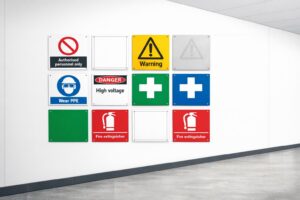
How to Spot Workplace Signage Gaps
Audit your workplace for missing, faded or non‑compliant signs under AS 1319 to reduce incidents and avoid WHS fines.
Symbol Design: Global Standards Explained
Explains ISO 7010 and ISO 3864: standard symbols, colours and sizing for clear, language‑free safety signage and AU compliance.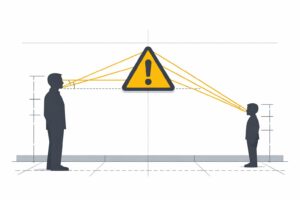
Hazard Sign Visibility Planner
Plan hazard sign placement for max visibility with our free tool. Ensure safety by finding the best spot, height, and angle—try it now!