Prohibition Signs: Mobile Phone Use in Hazardous Areas
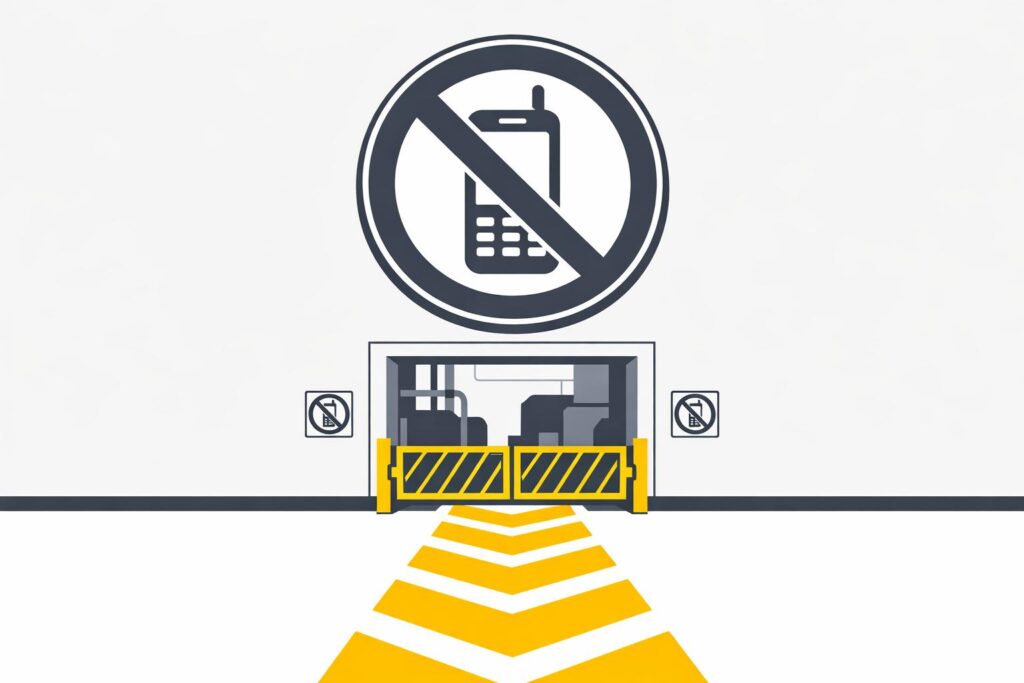
Mobile phone prohibition signs are essential in high-risk workplaces to prevent accidents, equipment interference, and ignition hazards. These signs, defined by Australian Standard AS 1319-1994, feature a red circle with a diagonal slash over a mobile phone symbol, ensuring clear communication of no-phone zones. Key areas requiring these signs include construction sites, fuel stations, hospitals, and chemical plants, where distractions or electromagnetic interference can lead to serious safety risks.
Employers must comply with essential safety signs and Australian workplace safety laws, including the WHS Act 2011, by implementing these signs and training workers on their importance. Proper placement, durable materials, and regular maintenance ensure their effectiveness. Costs range from $11.50 for basic stickers to $92.00 for premium panels. Combining signage with other safety measures, like alternative communication tools and exclusion zones, helps maintain safer environments.
High-Risk Workplaces Requiring Mobile Phone Prohibition
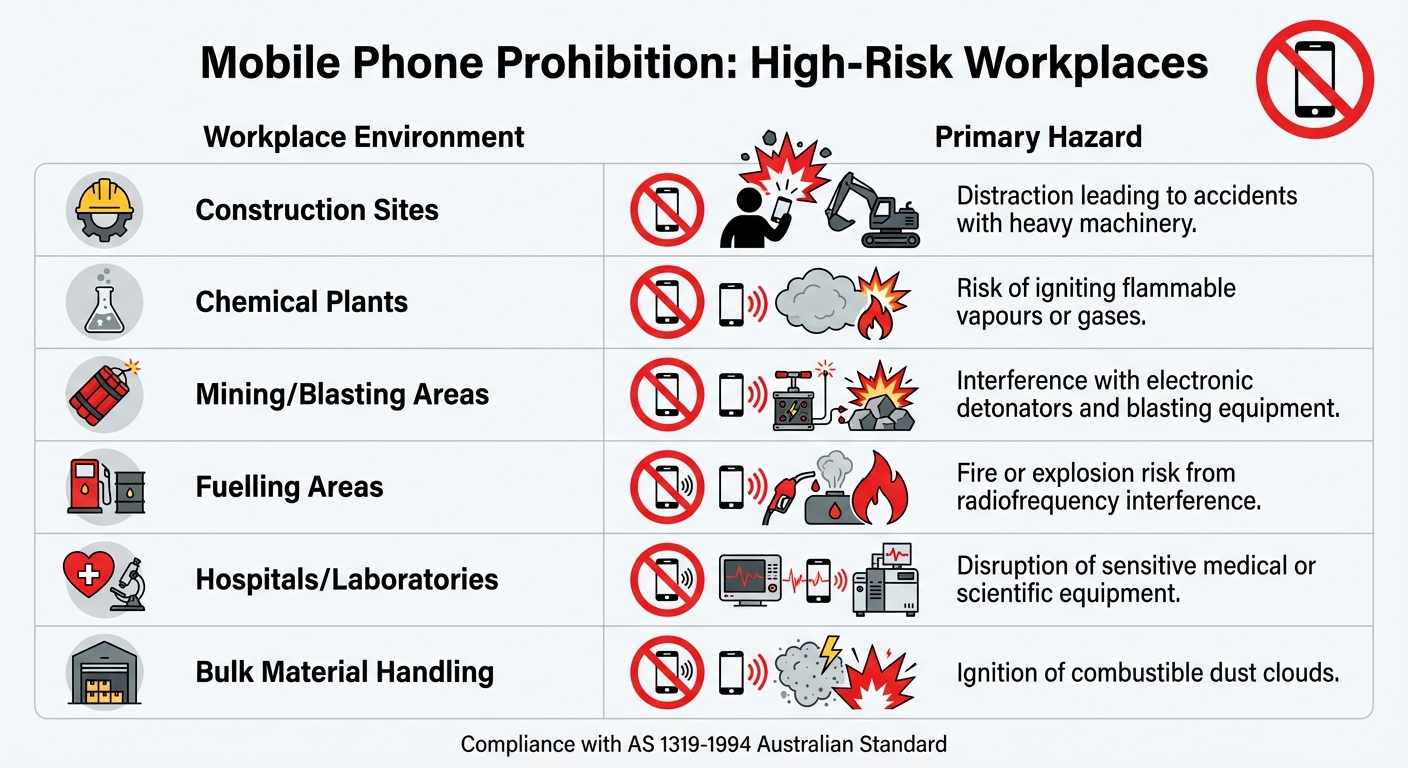
Mobile Phone Hazards by Workplace Environment
Workplaces That Require Mobile Phone Restrictions
In high-risk workplaces, banning mobile phones is crucial to minimise hazards. For instance, construction sites face unique dangers, as distractions from mobile phones can lead to accidents involving mobile or heavy equipment. Workers must remain alert to avoid risks like falling loads or uneven terrain [9]. Similarly, fuel storage areas, service stations, and flammable goods stores prohibit mobile phones to prevent ignition risks caused by radiofrequency emissions [8]. In areas with heavy machinery – like forklifts and earthmoving equipment – prohibition is necessary to avoid collisions, load drops, or machinery tipping [6][8].
Hospitals and laboratories also enforce restrictions, as mobile phones can interfere with sensitive medical and electrical equipment [8][4]. Industrial and logistics facilities, such as manufacturing plants and bulk materials handling zones, are high-risk due to the complexity of operations and the presence of heavy machinery [8]. Refuelling stations impose strict bans during plant and vehicle refuelling to reduce fire hazards [6].
| Workplace Environment | Primary Hazard of Mobile Phone Use |
|---|---|
| Construction Sites | Distraction leading to accidents with heavy machinery [6][9] |
| Chemical Plants | Risk of igniting flammable vapours or gases [8][10] |
| Mining/Blasting Areas | Interference with electronic detonators and blasting equipment [8] |
| Fuelling Areas | Fire or explosion risk from radiofrequency interference [8] |
| Hospitals/Laboratories | Disruption of sensitive medical or scientific equipment [8] |
| Bulk Material Handling | Ignition of combustible dust clouds [8][10] |
Why Signage Matters in These Areas
Prohibition signage plays a key role in enforcing safety measures. Clear signs help prevent incidents like pedestrian collisions, impacts with structures, and accidents involving plant overloading or tipping [6]. In high-risk tasks, such as operating complex machinery or refuelling vehicles, signage reduces the chances of accidents caused by divided attention [6].
Compliance with Australian Standard AS 1319-1994 ensures workplaces meet legal safety requirements and prioritise worker safety [4]. Well-designed, visible signage strengthens workplace policies and maintains focus in hazardous zones, where quick decisions are critical. These signs are crafted to be seen from 20 to 30 metres in well-lit conditions, providing immediate warnings to workers and visitors before they enter dangerous areas [4]. By adhering to these standards, workplaces create a safer environment for everyone involved.
sbb-itb-9950c92
Design and Compliance Standards for Mobile Phone Prohibition Signs
AS 1319 Design Specifications
Australian workplaces must follow the guidelines set by AS 1319-1994, which require mobile phone prohibition signs to feature a white background with a red circle and diagonal slash over a black mobile phone pictograph [2][7]. To ensure uniformity in colour tones, the standards outlined in AS 2700 are applied across all safety signage [4].
Text and symbol legibility are crucial for compliance. Uppercase text should be at least 5 millimetres tall for every metre of viewing distance [4]. Similarly, symbols need to be 15 millimetres in height per metre of viewing distance to remain readable [4][7]. Poorly lit areas demand increased dimensions – by at least 50% – to ensure the signs remain effective [4][7].
The materials used should be durable and suitable for their intended purpose. Permanent outdoor signs often use aluminium composite panels, while temporary signage can rely on Corflute. For smooth surfaces, UV-stabilised vinyl stickers are a good choice. To enhance visibility in low-light conditions, materials should have Class 2 reflective properties. Costs for standard mobile phone prohibition signs range from $11.50 for basic vinyl stickers to $92.00 for premium aluminium composite panels [3][4].
While design specifications ensure clarity, proper placement is equally important for effective communication.
Sign Placement and Visibility Guidelines
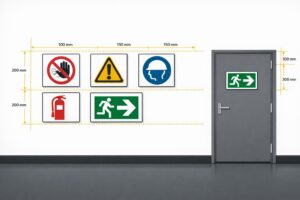
Proper placement is key to maximising the impact of mobile phone prohibition signs. Signs should be mounted at eye level to align with the observer’s natural line of sight [7]. Positioning the signs against contrasting backgrounds helps them stand out from surrounding walls or structures [4][7]. It’s also important to ensure that the signs are free from obstructions like machinery, equipment, or stacked materials [7].
The size of the sign should correspond to the viewing distance. For example, a 300 x 400 millimetre sign is clear up to 15.2 metres in well-lit areas, while a 450 x 600 millimetre sign can be read from as far as 21.8 metres [4]. Regular maintenance is essential to keep signs clean, illuminated, and in good condition, ensuring they meet compliance standards over time [4][7].
Non-Compliance Penalties
Failing to comply with signage standards breaches WHS laws and increases liability in hazardous environments [11]. In sensitive areas like hospitals or fuel stations, non-compliance can lead to serious risks, such as interference with electronic equipment or failure to uphold critical safety measures [5]. Adherence to these design and placement standards is essential to avoid WHS violations and protect high-risk areas.
Compliant mobile phone prohibition signage plays a vital role in workplace safety. By meeting AS 1319-1994 requirements and ensuring visibility and legibility, employers can uphold safety standards and minimise risks in their environments [11].
How to Implement Mobile Phone Prohibition Signage
Adding Signage to Workplace Safety Protocols
Incorporating mobile phone prohibition signs into your workplace’s safety procedures is a practical step to minimise risks during high-risk tasks like refuelling equipment or operating heavy machinery. These signs ensure workers are aware of the rules before entering hazardous areas.
It’s crucial to train workers on the meaning of these signs and the dangers associated with mobile phone use. SafeWork NSW highlights that mobile devices can distract workers in high-risk areas [6]. Regular safety briefings, which include actual examples like plant tipping or collisions involving pedestrians, can help underline the importance of these restrictions.
For areas where risks are significant, establish a clear policy for managing devices. SafeWork NSW advises:
to do this effectively you need to prevent all access to the devices when the risk is present, for example by ensuring they are surrendered and stored away [6].
If a complete ban isn’t feasible, set up policies that limit mobile phone use to specific exclusion zones, restrict calls to emergencies, or allow usage only when machinery is not in operation.
To make your safety protocols even more effective, consider additional measures alongside signage.
Additional Safety Measures
To strengthen workplace safety, pair signage with alternative communication tools and thoughtful site design. For instance, complement prohibition signs with two-way radios or landlines placed in safe zones for non-urgent communication needs.
The layout of the workplace is equally important. Ensure workers using communication devices are positioned at a safe distance from machinery and colleagues, reducing the chance of accidents caused by brief distractions. Install signage at all entry points to hazardous areas to ensure the rules are clear before anyone enters. Regular maintenance of these signs – such as cleaning, checking for proper illumination, and replacing damaged ones – is also essential.
For compliant and durable signage solutions, PXP Safety offers customisable signs that meet Australian standards for both indoor and outdoor use. These steps, combined with existing safety measures, help create a safer environment for workers in hazardous zones.
Conclusion
Mobile phone prohibition signs are a critical component of safety in hazardous Australian workplaces. They minimise distractions during crucial tasks and reduce the risk of equipment interference, especially in sensitive areas like fuel stations and hospitals. By using standardised symbols, these signs effectively communicate restrictions and help maintain compliance with workplace safety regulations.
As noted by industry experts:
Prohibition signs are essential for maintaining workplace safety and preventing distractions caused by mobile phones. These signs play a crucial role in ensuring a secure environment by clearly communicating restricted activities.
– statutorysigns.com.au [1]
To ensure these signs are both effective and compliant, it’s vital to follow the AS 1319-1994 standards regarding their design, materials, and upkeep. Opting for durable materials suited to the installation environment can significantly extend the lifespan of the signs and ensure they remain visible, even in tough conditions.
Proper placement and regular maintenance of signage, combined with thorough staff training, are key to achieving and sustaining safety compliance. Signs should be positioned where they are easily seen in all conditions, reinforcing their purpose and importance.
For workplaces needing reliable solutions, PXP Safety offers prohibition signs that meet Australian standards and are customisable for various indoor and outdoor settings. By integrating these compliant signs with broader safety measures, businesses can significantly reduce risks and foster safer working environments across hazardous areas.
FAQs
When is a full mobile phone ban required?
In certain hazardous environments, implementing a complete mobile phone ban is crucial. Mobile phones can pose risks by acting as potential ignition sources or causing distractions. This is especially important in workplaces where high-risk equipment is in use or during tasks that are critical to safety. Enforcing such bans helps maintain safety standards and ensures adherence to workplace regulations.
How do I choose the right sign size for my site?
The Australian Workplace Safety Sign Guidelines (AS1319-1994) suggest that prohibition signs, such as those restricting mobile phone use, should be designed for clear visibility, tailored to the specific conditions of the site.
Key factors to keep in mind include viewing distance and lighting. Symbols should measure at least 15 mm for every metre of viewing distance, while text should be no smaller than 5 mm. If the area has poor lighting, it’s recommended to increase these dimensions by 50%. Additionally, signs should be placed at eye level, set against a contrasting background, and kept free from any obstructions.
What else should I use besides signs to control phone use?
To complement signage, think about setting workplace policies that define specific times and places for phone use, like designated areas. Educating staff about the dangers of phone-related distractions and outlining clear consequences for breaking these rules can improve overall safety. Physical measures, such as limiting access to phones or disabling them in high-risk zones, are another effective layer of protection. When combined with signage, these strategies create a stronger framework for reducing potential hazards.
Related Blog Posts
You may also be interested in
FAQs About Workplace Safety Signs in Australia
AS 1319 sign types, placement, materials and maintenance for workplace safety and WHS compliance in Australia.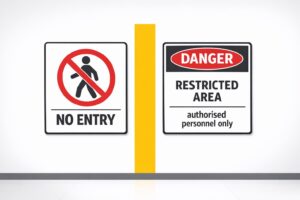
Restricted Area Signs vs. No Entry Signs
Compare No Entry and Restricted Area signs in Australian workplaces — meanings, design differences and AS 1319 compliance.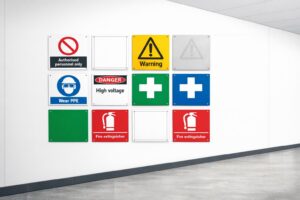
How to Spot Workplace Signage Gaps
Audit your workplace for missing, faded or non‑compliant signs under AS 1319 to reduce incidents and avoid WHS fines.
Symbol Design: Global Standards Explained
Explains ISO 7010 and ISO 3864: standard symbols, colours and sizing for clear, language‑free safety signage and AU compliance.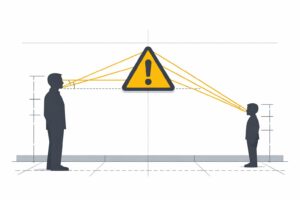
Hazard Sign Visibility Planner
Plan hazard sign placement for max visibility with our free tool. Ensure safety by finding the best spot, height, and angle—try it now!