5 Signs Your Safety Signage Needs Replacing
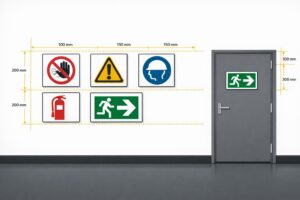
Safety signage is essential for protecting lives and meeting legal obligations under essential WHS regulations and AS 1319-1994 standards. Over time, signs can fade, wear out, or become damaged, compromising their effectiveness and compliance. Here’s how to recognise when it’s time to replace them:
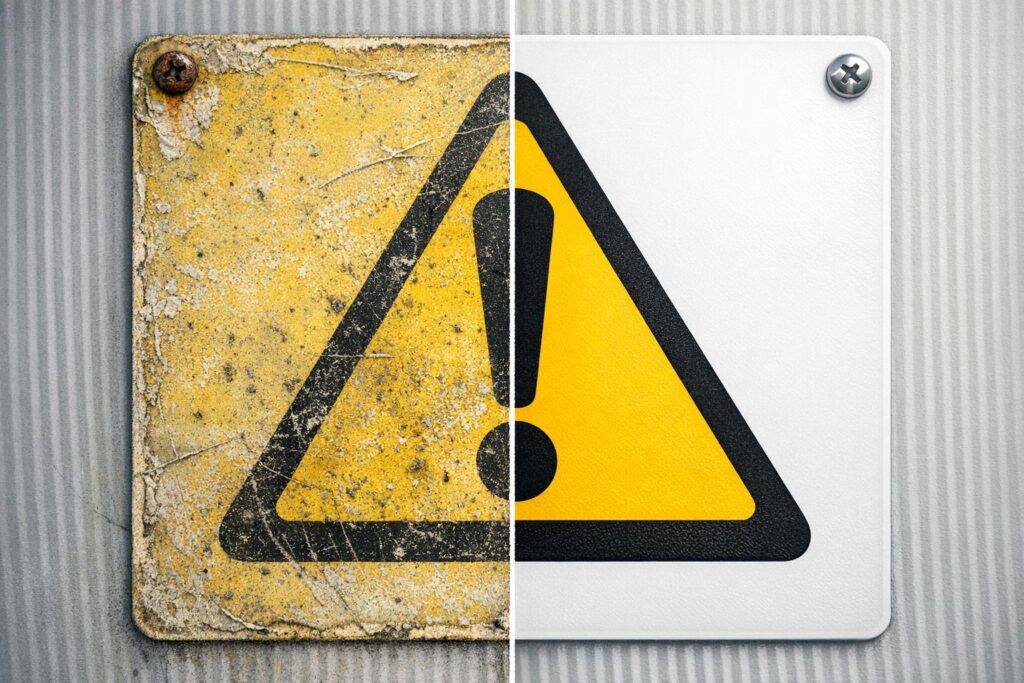
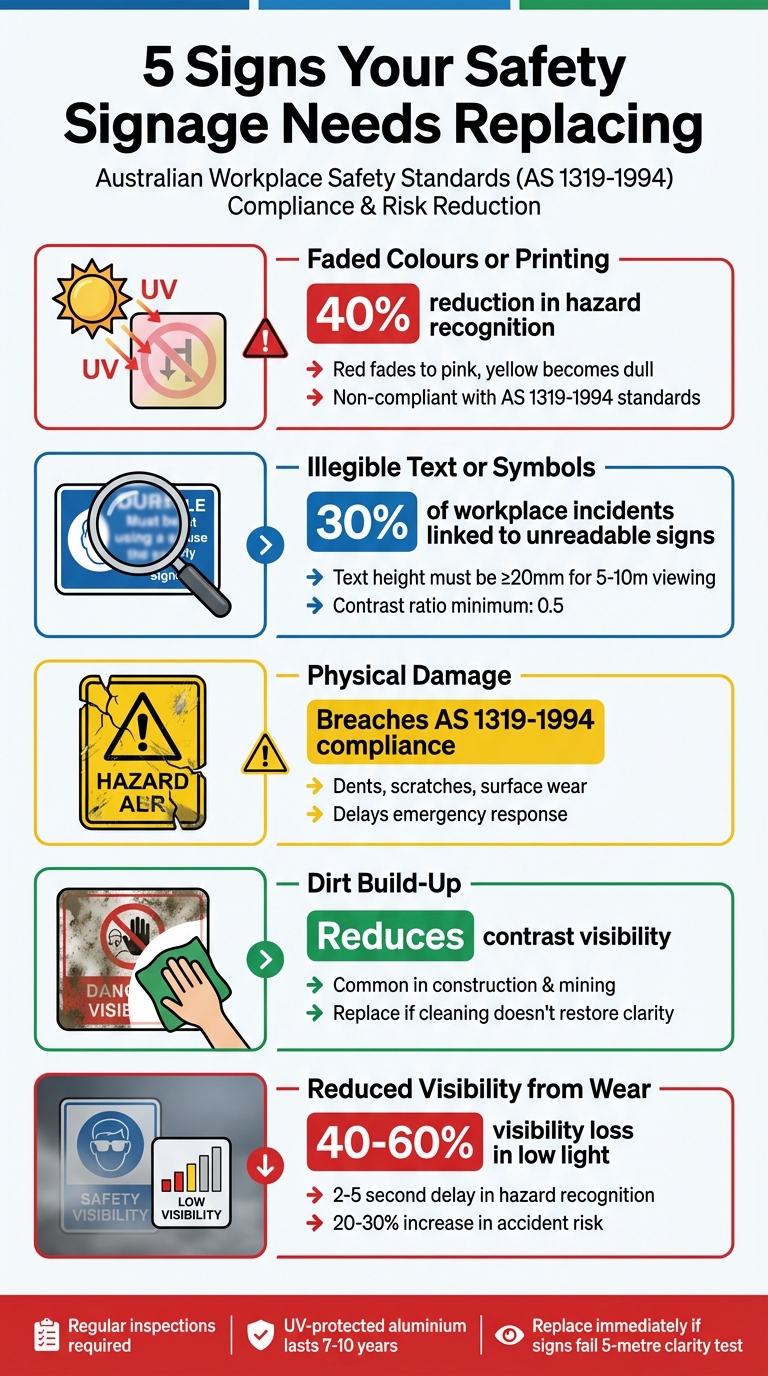
- Faded Colours or Printing: UV exposure can dull colours, reducing visibility and hazard recognition by up to 40%.
- Illegible Text or Symbols: Worn or unclear signs fail to communicate hazards effectively, increasing workplace risks.
- Physical Damage: Dents, scratches, or surface wear make signs harder to read and non-compliant.
- Dirt Build-Up: Grime obscures text and symbols, delaying critical hazard recognition.
- Reduced Visibility from Wear: Gradual fading or blurring impacts readability, especially in emergencies.
Regular inspections and durable materials like UV-protected aluminium can keep signs functional and compliant in Australia’s harsh conditions. Replace any worn or damaged signs immediately to maintain workplace safety and avoid penalties.
5 Critical Signs Your Safety Signage Needs Immediate Replacement
1. Faded Colours or Printing
Compliance with AS 1319-1994 Standards
In Australia, safety signage must adhere to the colour guidelines outlined in AS 1319-1994. These guidelines specify exact colour codes – like Pantone 485C for danger and prohibition, Pantone 116C for caution, Pantone 286C for mandatory actions, and Pantone 7484C for safe conditions and emergency exits. However, prolonged exposure to UV rays can cause colours to fade – red fading to pink or yellow becoming dull – leading to non-compliance and up to a 40% reduction in hazard recognition [1]. This fading not only violates standards but also makes signs harder to read.
Legibility and Visibility of Text and Symbols
Clear text and symbols are crucial for safety, and AS 1319-1994 requires a contrast ratio of 0.5 to ensure visibility from five metres away. When colours fade, the contrast diminishes – for example, yellow text on a black background becomes harder to distinguish. This delay in recognising hazards can slow down workers’ responses by as much as 25% [1], which is critical in emergencies.
Durability of Materials Under Australian Conditions
Australia’s harsh climate, with UV indexes reaching up to 14, temperatures ranging from 0–45°C, and coastal salt exposure, can quickly wear down signage. Materials that lack UV protection may fade within 5–7 years in outdoor conditions. On the other hand, signs made with aluminium and UV-protected digital printing can maintain their vibrancy for over a decade. Companies like PXP Safety ensure their safety signs meet AS 1319-1994 standards by using durable materials and advanced printing techniques [1].
Effectiveness in Hazard Communication
Faded signs lose their visual impact, which is essential for effective hazard communication. Bright colours play a key role in triggering immediate safety responses, and when they fade, their effectiveness can drop by 30–50%. A 2022 study even found that faded signage contributed to 15% of near-misses. A simple flashlight test can help assess whether a sign’s colours are still effective or if replacement is necessary [1].
sbb-itb-9950c92
2. Illegible Text or Symbols
Worn signs pose serious risks, especially when text or symbols become illegible. Australian safety signage is governed by strict standards under AS 1319-1994, which outlines specific legibility requirements. For instance, text height must be at least 20 mm for signs viewed from 5–10 metres, and sans-serif fonts like Helvetica are recommended for better readability. Symbols also need to comply with internationally recognised standards, such as ISO 3864. Signs with faded printing or chipped text not only risk breaching WHS regulations but also compromise workplace safety, as clear legibility is non-negotiable for effective communication[1][2].
To ensure visibility, text and symbols must have a contrast ratio of at least 0.5 – for example, black text on a yellow background is a common choice. Additionally, the viewing distance can be calculated using the formula: distance (metres) = height (millimetres) ÷ 100. Safety auditors have found that 30% of workplace incidents are linked to unreadable signs, underscoring the importance of replacing any signage that fails a simple clarity test from 5 metres away under normal lighting conditions[3][4].
Durability of Materials Under Australian Conditions
Australia’s tough environmental conditions can accelerate the wear and tear of safety signs. High UV exposure (up to 15 kJ/m² daily during summer), along with salt and dust, can cause ink to fade within 2–5 years if substandard materials are used. For example, outdoor signs in Queensland may lose half their colour vibrancy in just three years without adequate UV protection[5]. To combat this, materials such as anodised aluminium paired with UV-stable inks are recommended, as they offer better resistance to fading and ensure long-term legibility.
Effectiveness in Hazard Communication
The primary role of safety signs is to enable quick hazard recognition, but illegible signs fail to deliver this. A faded "High Voltage" symbol or an unclear "Caution: Wet Floor" warning might not prompt the immediate response that could prevent an incident. According to Safe Work Australia, 15% of serious workplace injuries – over 10,000 annually – are connected to signage failures, with illegibility responsible for 40% of these cases[2][3]. Clear and crisp text and symbols significantly improve comprehension rates, reaching up to 95%, while worn signage has been linked to a 60% increase in overlooked hazards[2][3].
3. Physical Damage or Dents
Physical damage to safety signage isn’t just about appearances – it directly impacts the sign’s ability to clearly communicate hazards. Issues like dents, scratches, or surface wear can make signs harder to read or notice, reducing their effectiveness in keeping people safe.
Compliance with AS 1319-1994 Standards
The Australian Standard AS 1319-1994 (revised to AS 1319:2004) sets strict guidelines for safety signs in workplaces. These standards require that signs remain both recognisable and effective throughout their use. When a sign’s shape or surface is damaged, it may no longer meet these criteria. Outdoor signs, in particular, must be made from materials that can endure Australia’s tough weather conditions. Regular inspections and timely replacements are crucial to ensure compliance with Workplace Health and Safety (WHS) obligations and to prevent signs from becoming unreliable under extreme weather.
Durability Under Australian Conditions
Australia’s environment is notoriously tough on materials. With constant exposure to intense UV rays, soaring temperatures, salt spray in coastal areas, and even dust storms, safety signs face significant wear and tear. Signs made from weaker materials are at a higher risk of damage and may fail to perform their critical function.
Effectiveness in Hazard Communication
A damaged sign doesn’t just breach standards – it can also compromise safety. In emergencies, clear and immediate hazard recognition is essential, and a sign that’s dented or scratched might delay someone’s response. To ensure safety, any sign showing physical damage should be replaced as soon as possible.
4. Dirt Build-Up or Poor Cleanliness
Dirt, dust, and grime on safety signage aren’t just cosmetic issues – they can seriously impact the ability of workers to read and respond to crucial safety messages. In Australia, this is especially problematic in environments like construction sites, mining operations, and industrial facilities, where dirt build-up is a frequent challenge that can render signs ineffective.
Legibility and Visibility of Text and Symbols
The effectiveness of safety signage relies heavily on its high-contrast designs, which are meant to grab attention quickly. However, when dirt accumulates, it reduces the sharp contrast between colours, making signs much harder to read. For instance, yellow-on-black caution signs or blue-on-white mandatory protection signs lose their visibility when even a light layer of dust settles on them. In workplaces with high levels of debris, regular inspections are essential to ensure the signs remain clear and easy to read from a distance.
Effectiveness in Hazard Communication
A dirty sign can delay critical recognition during emergencies, where every second is vital. If cleaning doesn’t restore the sign’s visibility, it’s time to replace it. Standard signs are readily available at competitive prices (ex GST), but for locations with unique environmental challenges, custom-made signs designed for durability may be a better option to ensure long-term usability.
Durability of Materials Under Australian Conditions
Dirt build-up doesn’t just obscure text; it can also wear down the materials of the signage over time. Much like weather-related fading, grime can compromise the clarity and lifespan of safety signs. For the harsh Australian climate, signs made from durable aluminium with UV protection and outdoor-grade printing are more resistant to dirt. Reflective tape can also enhance visibility when minor dirt accumulation occurs, though this should only supplement regular cleaning and timely replacement when signs become irreparable.
5. Reduced Visibility from Wear
Physical damage isn’t the only thing that can affect a safety sign’s effectiveness. Gradual wear, even when less noticeable, can significantly reduce visibility and hinder the communication of hazards. Unfortunately, this type of wear often goes unnoticed during routine inspections and is a frequent reason why safety signs fail to meet Australian compliance standards.
Compliance with AS 1319-1994 Standards
Australia’s AS 1319-1994 standard outlines strict visibility requirements for safety signs in workplaces. These standards ensure signs remain effective throughout their lifespan. For instance, a 600 × 450 mm sign should be clearly legible from 12–15 metres away. Additionally, a luminance ratio of at least 0.5 is required for readability up to 20 metres, with a strong contrast between colours, such as yellow backgrounds paired with black symbols [1].
As signs wear over time, the contrast between colours fades, jeopardising compliance. Regular field tests are essential to verify that signs remain legible at the required distances. If a sign fails, it should be replaced immediately. For example, a study in a Sydney warehouse revealed that 25% of the safety signs failed visibility tests at just 7 metres [1].
Legibility and Visibility of Text and Symbols
Exposure to UV light, weather conditions, and physical abrasion can cause colours to fade, symbols to distort, and text to blur. For example, red may fade to pink, and black may lose its sharpness. To maintain visibility, symbols need to stay crisp, and text should have an x-height of at least 20 mm for readability at distances of 5–10 metres.
Studies show that when ink fades by 50%, it can reduce visibility by 40–60% in low light conditions. This loss of clarity can delay hazard recognition by 2–5 seconds, which in turn may increase accident risks by 20–30% [1][2]. These findings highlight the importance of regular inspections to ensure compliance and maintain safety.
Durability of Materials Under Australian Conditions
Australia’s challenging climate – characterised by high UV radiation levels (up to 14 in summer), coastal salt exposure, and temperatures ranging from 0–45°C – can accelerate the wear and tear of safety signs [2]. For example, untreated vinyl signs may degrade within 2–3 years, showing delamination and a 30–50% loss in visibility. In Queensland’s humid tropical regions, signs without outdoor-grade printing can begin cracking in as little as 18 months.
On the other hand, UV-protected aluminium signs tend to last 7–10 years outdoors, retaining much of their visibility. High-durability materials, such as 3 mm aluminium with UV-resistant coatings and outdoor-grade digital printing, can maintain up to 95% visibility after 8–10 years in Australia’s harsh conditions. In contrast, basic corflute signs typically last only 3–5 years.
For workplaces in high-exposure areas, WorkSafe Victoria advises replacing signs every 5 years and conducting quarterly visibility tests in various lighting conditions to catch early signs of degradation [1][2]. Using durable materials and adhering to these recommendations is crucial for meeting AS 1319-1994 standards and ensuring workplace safety.
Conclusion
Keeping safety signage in top condition isn’t just about ticking boxes for compliance – it’s about protecting lives and maintaining a professional image. As PXP Safety highlights, "Illegibility is a dealbreaker for safety signs. Replace any sign with faded colours, dimmed lighting, or damaged text to maintain clear readability" [6]. If safety signs fail to clearly communicate hazards, the entire safety system can be compromised.
Australia’s harsh environmental conditions, including intense UV exposure and extreme heat, can cause signs to deteriorate faster than expected. This makes regular inspections absolutely necessary. Any sign showing signs of wear, such as faded text, peeling coatings, or reduced visibility, should be replaced immediately to avoid potential risks.
Investing in durable materials like aluminium with UV-resistant coatings and outdoor-grade printing can significantly extend the lifespan of safety signs. Not only does this help maintain compliance, but it also reduces long-term replacement costs.
Worn or outdated signs can send the wrong message about your workplace’s safety standards. By opting for modern solutions – such as reflective or illuminated signs – you ensure safety messages remain visible day and night, creating a safer environment for everyone on site.
PXP Safety provides a range of high-quality safety signs designed to handle Australia’s tough conditions. Their signs feature UV protective coatings and outdoor-grade printing for maximum durability and visibility. They also offer custom signage tailored to specific workplace requirements. By combining regular inspections with high-quality signage, businesses can ensure a safer and more compliant workplace.
FAQs
How often should we inspect safety signs?
Safety signs need regular inspections to ensure they stay visible, easy to read, and meet the requirements of standards like AS 1319:1994. Conducting frequent audits and evaluations not only supports workplace safety but also ensures compliance with legal obligations. How often you inspect will vary depending on factors like the workplace environment and conditions, but routine checks are essential for spotting signs that may require updates or replacements.
When should a sign be cleaned instead of replaced?
Signs with minor issues, such as dirt or light scratches that don’t interfere with their visibility or compliance, should be cleaned instead of replaced. A thorough cleaning can restore their appearance and functionality, keeping them effective without the expense or effort of a replacement.
What sign materials last longest outdoors in Australia?
Aluminium signs stand out as the go-to choice for outdoor use in Australia, thanks to their durability and resilience. They can withstand the country’s harsh weather conditions, including intense UV exposure, extreme heat, and the corrosive effects of coastal salt spray. This ensures they maintain their performance over time. Unlike other materials, aluminium is less likely to warp or fade, making it perfect for clear and reliable safety signage in challenging environments.
Related Blog Posts
You may also be interested in
FAQs About Workplace Safety Signs in Australia
AS 1319 sign types, placement, materials and maintenance for workplace safety and WHS compliance in Australia.
Restricted Area Signs vs. No Entry Signs
Compare No Entry and Restricted Area signs in Australian workplaces — meanings, design differences and AS 1319 compliance.
How to Spot Workplace Signage Gaps
Audit your workplace for missing, faded or non‑compliant signs under AS 1319 to reduce incidents and avoid WHS fines.
Symbol Design: Global Standards Explained
Explains ISO 7010 and ISO 3864: standard symbols, colours and sizing for clear, language‑free safety signage and AU compliance.
Hazard Sign Visibility Planner
Plan hazard sign placement for max visibility with our free tool. Ensure safety by finding the best spot, height, and angle—try it now!