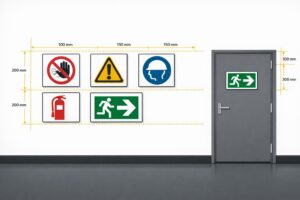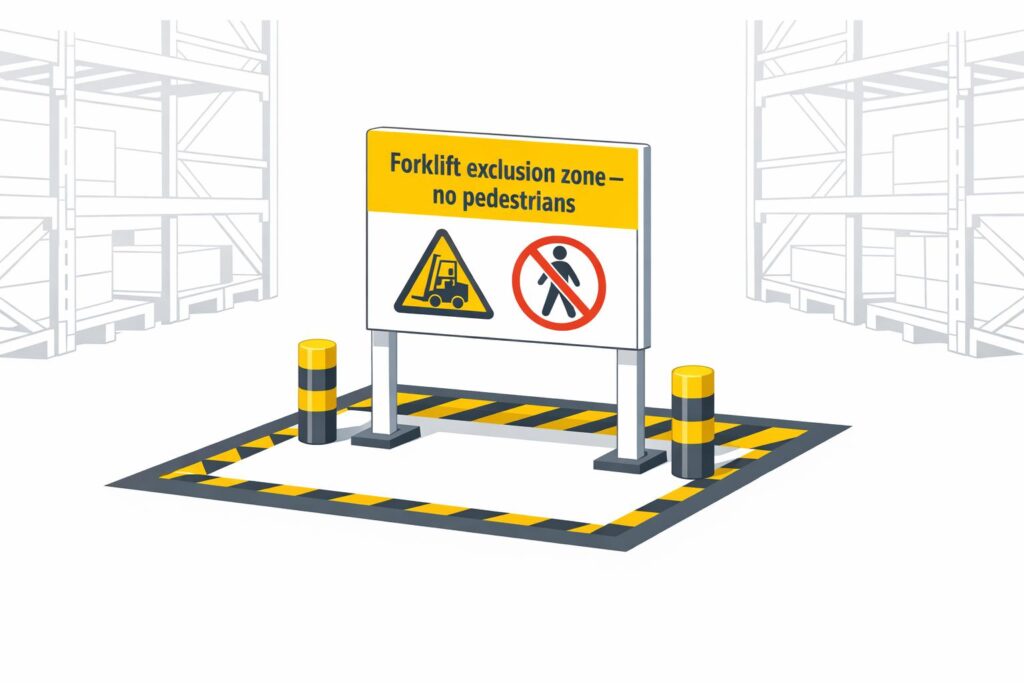
Forklift Exclusion Zone Signs: Compliance Guide
Forklift exclusion zones are areas where pedestrians are strictly prohibited during forklift operations. These zones are vital for reducing workplace accidents, as forklifts are responsible for 7% of workplace fatalities in Australia despite being less than 1% of registered vehicles. Proper signage, including essential safety signs designed and placed according to Australian Standard AS 1319-1994, is key to ensuring safety and compliance.
Key points:
- Sign Types: Warning, prohibition, mandatory, and danger signs.
- Standards: Follow AS 1319-1994 for design, AS 2700 for colours, and AS 2342 for symbols.
- Visibility Requirements: Text and symbols must be sized for clear viewing distances (e.g., 150 mm pictograms for 10 m).
- Materials: Durable aluminium signs with UV protection are preferred for industrial conditions.
- Placement: Install signs at entrances, intersections, and high-risk zones, mounted at eye level and free from obstructions.
- Cost: Standard signs start at $15.00 (ex GST), with custom options available for specific needs.
To improve safety, combine signage with physical barriers, clear floor markings, and regular maintenance. This layered approach ensures workplaces meet compliance and reduce risks effectively.
Australian Compliance Standards for Forklift Exclusion Zone Signs
Four Types of Forklift Exclusion Zone Safety Signs According to AS 1319-1994
Relevant Regulations
AS 1319-1994, titled Safety signs for the occupational environment, is the primary standard in Australia for designing and using workplace safety signs, including those for forklift exclusion zones. It ensures clear warnings about hazards and provides emergency guidance. This standard complements the Work Health and Safety (WHS) Act, which mandates employers to take reasonable steps to reduce risks through proper signage and clearly marked exclusion zones. Additional standards include AS 2700 (colours), AS 2342 (symbols), and AS/NZS 4586 (slip-resistant floor signs). You can access the full AS 1319-1994 standard under a single-user licence for AUD $160.69 (GST included) [4].
Key Compliance Requirements
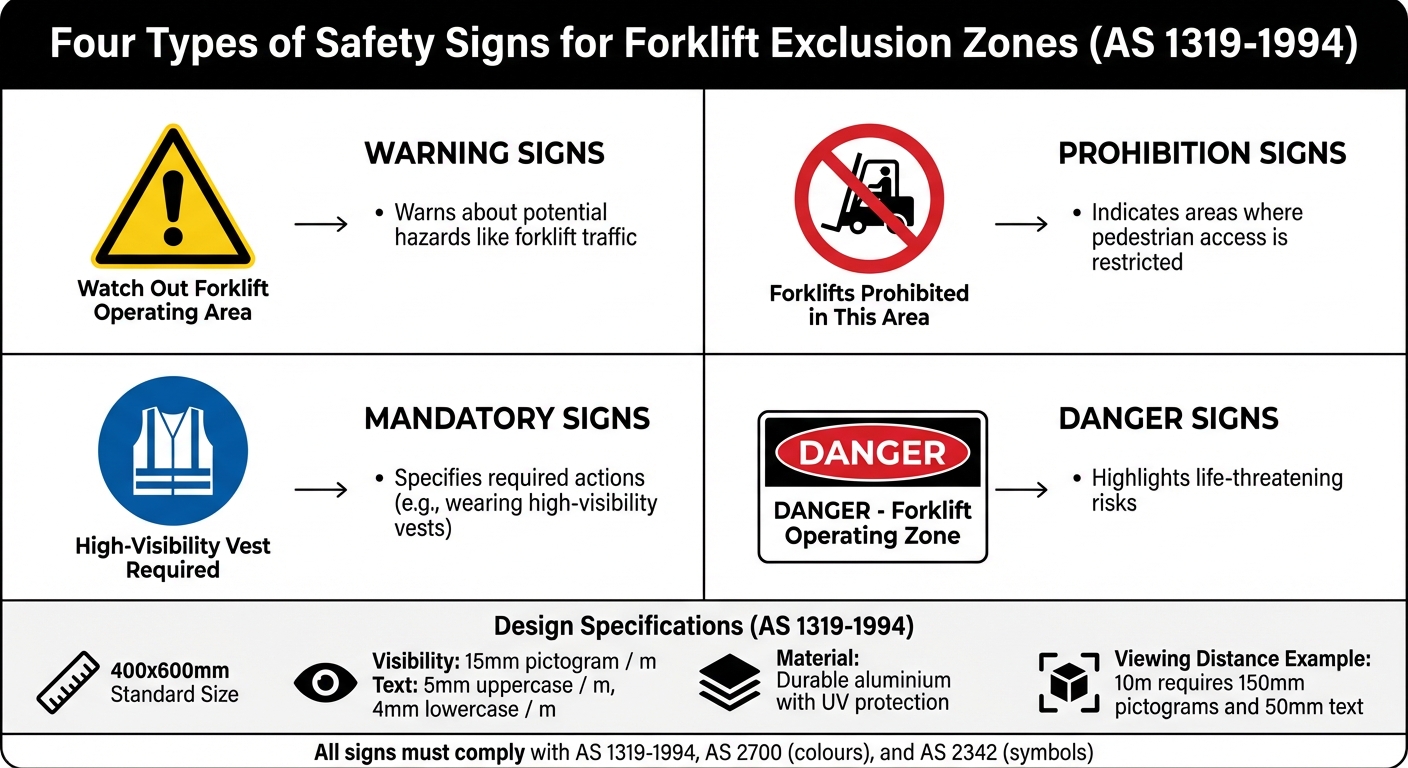
AS 1319-1994 outlines four types of forklift exclusion zone signs:
- Warning signs: These have a yellow background and a black triangle, warning workers about potential hazards like forklift traffic.
- Prohibition signs: Displayed with a red circle and diagonal slash on a white background, these signs indicate areas where pedestrian access is restricted.
- Mandatory signs: Featuring a blue circle with a white pictograph, these signs specify required actions, such as wearing high-visibility vests.
- Danger signs: Highlighting life-threatening risks, these use "DANGER" in white text on a red oval, enclosed by a black rectangle.
Sign visibility is critical. Symbols must be at least 15 mm per metre of viewing distance, uppercase text should measure a minimum of 5 mm per metre, and lowercase text at least 4 mm per metre [5][6]. For poorly lit areas, these dimensions should be increased by at least 50%. Placement is equally important – signs should be mounted near the observer’s line of sight, set against a contrasting background, and positioned to avoid obstruction by materials or equipment.
"AS1319 does not specify a required material or nominal size for a safety sign but does stress that the type of safety sign used should be suitable for the intended application." – WorkSafe ACT [5]
These standards ensure that forklift exclusion zone signs are both effective and compliant, setting the stage for the design and placement guidelines in the following section.
sbb-itb-9950c92
Design Specifications for Forklift Exclusion Zone Signs
Meeting compliance requirements is just the start; well-thought-out design specifications ensure these signs are both readable and durable.
Required Design Elements
Forklift exclusion zone signs should feature bold, high-contrast graphics and concise text to remain visible from a distance [3][7]. In fast-paced warehouse environments, the message must be instantly clear, even as workers move quickly through the area. Bright, attention-grabbing colours enhance visibility, even in low-light conditions [7].
Some common phrases used on compliant signs include:
- "Watch Out Forklift Operating Area"
- "Forklifts Prohibited in This Area"
- "Forklift Lane Only No Pedestrians"
- "Pedestrian Safety Zone Forklifts Prohibited" [1][8][3]
These messages are straightforward, leaving no room for confusion. Signs in industrial settings typically adhere to a standard size of 400x600mm, ensuring text and graphics are large enough to meet the visibility requirements outlined in AS 1319-1994 [3][7]. These specifications also guide the selection of materials to ensure the signs can endure challenging industrial conditions.
Material and Durability Standards
When it comes to materials, metal signs are the go-to choice for warehouses due to their durability [7]. Unlike plastic or paper, metal withstands wear and tear, exposure to chemicals, and Australia’s fluctuating temperatures. Signs made of aluminium with UV protective film and outdoor-grade printing resist fading caused by sunlight and moisture, ensuring they remain legible over time [7].
For environments exposed to dust, impacts, and varying conditions, weather-resistant materials are non-negotiable. For example, a 400x600mm metal "Watch Out Forklift Operating Area" sign generally costs $56.00 (ex GST), while basic forklift safety signs start from $15.00 (ex GST) [1].
Custom Sign Options
Standard signs might not always fit every workplace’s needs. Many businesses opt for customised signage to address unique site layouts or hazards [1]. Custom options allow for adjustments in size, colours, and text while remaining compliant with Australian Standards. This is particularly useful for sites with irregular traffic flow or specialised equipment.
PXP Safety provides custom sign creation services, enabling businesses to design signage tailored to their specific requirements. Custom signs can include site-specific dimensions, company logos, or multilingual text to accommodate diverse workforces – all while adhering to AS 1319-1994 standards. These customised signs use the same durable aluminium base with UV protection as standard signs, ensuring consistent quality and long-term reliability.
Placement and Visibility Guidelines
Proper placement of safety signage is critical for ensuring it serves as an effective tool in preventing accidents. These guidelines focus on where to place signs and how to maximise their visibility.
Where to Place Signs
Forklift exclusion zone signs should be installed at key points such as entrances to loading and unloading areas – places where truck drivers and workers first encounter mobile plant equipment [9]. High-risk zones like Loading and Unloading Exclusion Zones (LUEZ), intersections, blind corners, and loading docks also require signage. These are areas where forklifts and pedestrians are most likely to cross paths.
Visibility is just as important as placement. Sign size should match the viewing distance: for every metre of viewing distance, pictograms need to be at least 15 mm tall, and uppercase text should be 5 mm tall. For example, a sign intended to be read from 10 metres away would require 150 mm pictograms and 50 mm text [6].
Signs should be mounted at eye level for both pedestrians and forklift operators. Additionally, avoid mounting signs at angles that could create glare from overhead lighting, as this can obscure the message. The National Road Safety Partnership Program Australia highlights the ongoing danger of workplace incidents involving truck drivers and mobile plant equipment during loading and unloading:
"workplace safety incidents within the supply chain involving the injury of truck drivers and other persons by mobile plant equipment during loading and unloading are a recurring theme in all jurisdictions in Australia" [9]
This reinforces the need for strategic placement to minimise risks. However, signage alone is not sufficient – additional safety measures are essential for comprehensive protection.
Combining Signs with Other Safety Measures
Signage works best when paired with other safety measures. WorkSafe Victoria advises that:
"workplaces need to go beyond drawing lines on the ground, and physically separate pedestrians from forklift operations" [10]
Clear line markings, when combined with signs, help define exclusion zones and guide pedestrians safely towards designated Driver Safety Areas. Physical barriers take this a step further. Installing guard rails, post and rail systems, or bollards made from hot-dipped galvanised steel alongside signage creates a physical separation between pedestrians and forklifts [10].
At high-risk areas like blind corners and intersections, additional tools such as infrared motion sensors or safety mirrors can work alongside signs to alert workers before they enter hazardous zones. Sarah Pritchard from Barrier Group underscores this layered approach:
"alongside line marking on the ground and physical barriers, signage must always be clearly visible in areas where forklifts (and plant machinery) are in operation around pedestrians" [10]
Implementation and Ongoing Maintenance
How to Implement Signage
Begin by conducting a thorough risk assessment of your workplace. This involves examining the layout, traffic flow, types of vehicles, and load characteristics to pinpoint areas where forklifts and pedestrians are most likely to cross paths. This assessment will serve as the groundwork for your traffic management plan.
Create a Traffic Management Plan (TMP) that includes a detailed diagram outlining key areas. This diagram should clearly highlight forklift operating zones, travel paths, exclusion zones, pedestrian-only areas, and designated safety zones. WorkSafe Victoria stresses that "as an employer or self-employed person, you must control hazards and risks so far as is reasonably practicable" [11]. It’s crucial to involve employees, independent contractors, and Health and Safety Representatives (HSRs) in the planning or revision process.
Whenever possible, prioritise physical barriers like fences, bollards, or fixed barriers over relying solely on signage. These physical measures enhance safety and help define operational zones. Place signs – such as "Watch Out Forklift Operating Area" – at key points like loading docks, intersections, and zone entrances. Complement these with painted floor markings and high-visibility ground indicators to clearly outline exclusion zone boundaries.
Establish clear protocols for active exclusion zones. For instance, Verge Safety Barriers recommends a "Can’t See-Can’t Load" rule, where "the forklift driver stops loading or unloading if the truck driver or other pedestrians leave the safe zone and cannot be sighted" [2]. Additionally, display speed limits (typically walking pace, 5–7 km/h in shared areas) alongside exclusion zone signage to reinforce safe practices. After implementation, maintain vigilance by conducting regular inspections.
Regular Maintenance and Inspections
Over time, signage can fade, become damaged, or accumulate dirt, which can reduce its visibility and effectiveness. Regularly inspect all signs to ensure they remain clear and legible. Confirm that they meet the visibility requirements outlined in AS 1319:1994.
It’s essential to review your traffic management plan and signage after any forklift-related incidents, workplace layout changes, or task modifications [11]. Health and Safety Representatives (HSRs) may also request reviews if they notice safety concerns. During inspections, check that signs comply with AS 1319:1994, look for damage or fading, and ensure that nothing – like stacked pallets – blocks their visibility. Replace any signage that no longer meets standards or shows signs of wear.
For compliant and durable forklift exclusion zone signage that aligns with Australian standards, you may want to explore the options available at PXP Safety.
Conclusion
Forklift exclusion zone signage plays a critical role in protecting lives in high-risk workplaces. Despite a decline in fatalities over the past decade, incidents involving truck drivers and mobile plant equipment during loading and unloading remain a persistent issue across Australia, with injury rates still alarmingly high [9].
While compliance with regulations is essential, practical application is what truly improves workplace safety. Using signage that meets AS 1319:1994 standards, paired with physical barriers, creates a safer environment. However, simply installing signs isn’t enough – regular inspections and maintenance are crucial to ensure their effectiveness.
The Industry LUEZ Committee highlights the importance of this approach:
"the aim of this guide is to share ‘best practice’ material in order to reduce / eliminate the potential for injuries where equipment and people interaction occurs" [9]
To maximise safety, ensure your signs are durable, resistant to UV damage, and installed at the right height and locations. Proactively upgrading signage to align with evolving safety practices can make a significant difference.
For businesses needing forklift exclusion zone signage that can handle Australia’s tough conditions, PXP Safety offers aluminium signs with outdoor-grade printing and UV protection. Their range includes both standard and custom designs that meet Australian safety standards, helping businesses stay compliant while prioritising workplace safety.
FAQs
Do I need an exclusion zone sign or a prohibition sign?
When deciding which signs to use, it often comes down to the specific purpose. Exclusion zone signs are designed to highlight areas where forklifts or machinery are in operation, limiting access to only authorised personnel. On the other hand, prohibition signs are used to indicate activities that are not allowed, such as ‘No Entry’ or ‘No Pedestrians.’
For forklift operating zones, exclusion zone signs are perfect for clearly defining the boundaries. Meanwhile, prohibition signs can be added to emphasise restrictions. Combining both types of signage creates a more thorough approach to maintaining safety and compliance.
How do I calculate the right sign size for my viewing distance?
When selecting the right sign size for a specific viewing distance, it’s essential to follow Australian safety signage standards. The sign must be large enough to ensure clear readability from the intended distance. This means the dimensions should align with the expected viewing range, making sure both text and symbols are easily visible.
For precise recommendations, consult resources like the Safety Sign Legible Viewing Distance Guide. This guide provides detailed advice to help ensure your signage complies with Australian safety standards.
How often should forklift exclusion zone signs be inspected or replaced?
Forklift exclusion zone signs need regular checks to ensure they stay undamaged, easy to read, and meet Australian safety standards. If signs become faded, damaged, or fall short of compliance requirements, they must be replaced immediately. While there’s no strict rule on how often to inspect them, keeping signage clear and visible is crucial for maintaining a safe work environment.
Related Blog Posts
You may also be interested in
FAQs About Workplace Safety Signs in Australia
AS 1319 sign types, placement, materials and maintenance for workplace safety and WHS compliance in Australia.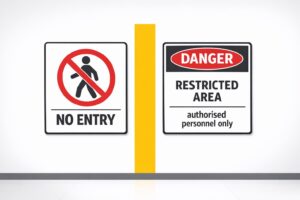
Restricted Area Signs vs. No Entry Signs
Compare No Entry and Restricted Area signs in Australian workplaces — meanings, design differences and AS 1319 compliance.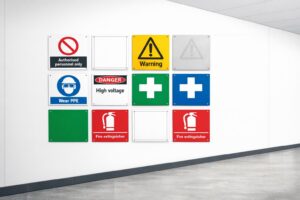
How to Spot Workplace Signage Gaps
Audit your workplace for missing, faded or non‑compliant signs under AS 1319 to reduce incidents and avoid WHS fines.
Symbol Design: Global Standards Explained
Explains ISO 7010 and ISO 3864: standard symbols, colours and sizing for clear, language‑free safety signage and AU compliance.
Hazard Sign Visibility Planner
Plan hazard sign placement for max visibility with our free tool. Ensure safety by finding the best spot, height, and angle—try it now!